
Reparium by Mercan Fazlioglu
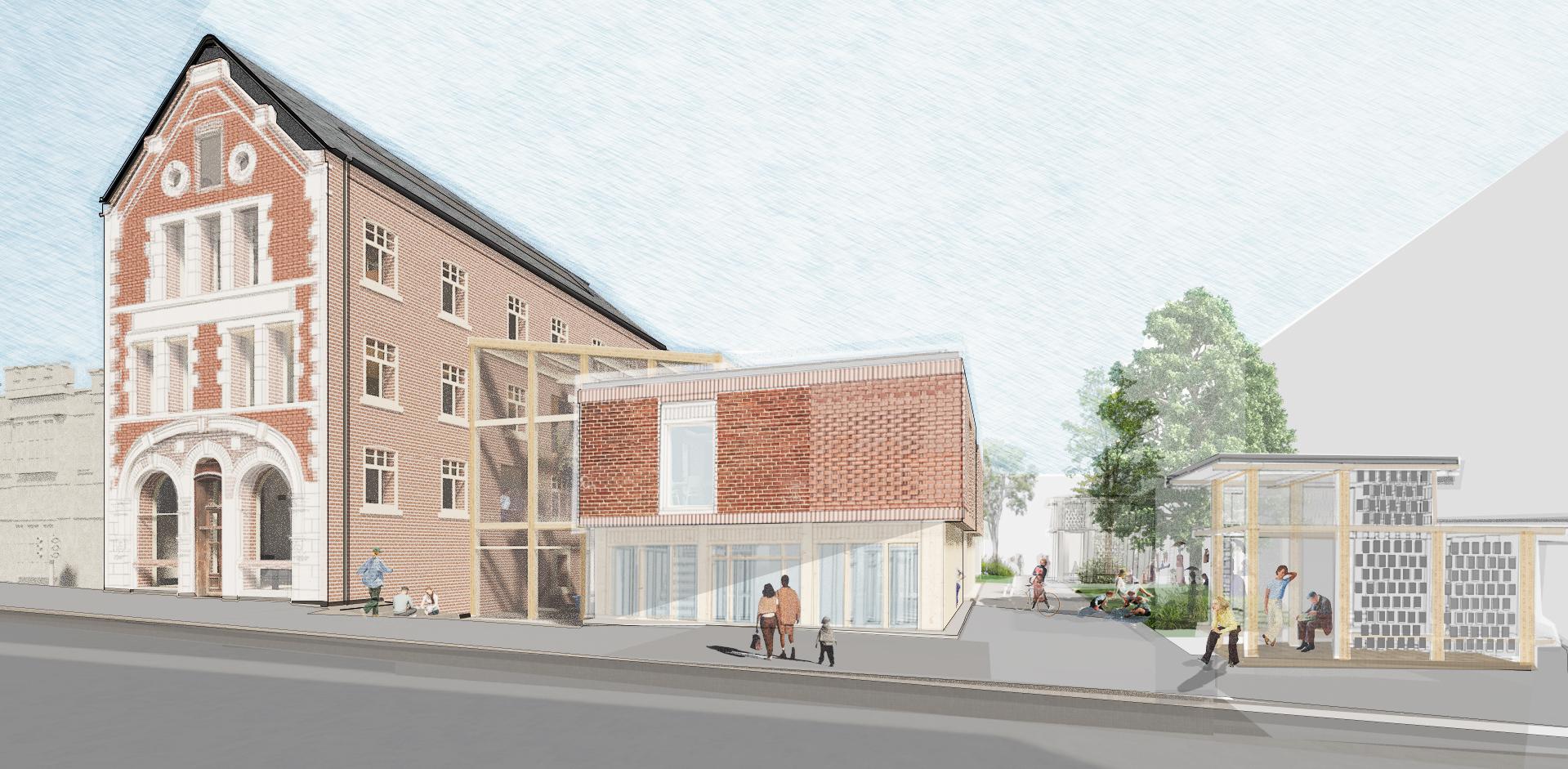
Reparium is a student architecture project by Mercan Fazlioglu, a Part 1 Architecture graduate from the University of Sheffield. The proposal takes a neglected car park and reimagines it as a therapeutic community centre, using adaptive reuse, circular design and social wellbeing as the main drivers.
The result is a thoughtful project about repair. Not just repairing a building or a site, but asking how architecture can help people, materials and communities find a second life.
Project idea
Mercan’s concept draws on kintsugi, the Japanese practice of repairing broken ceramics with gold. Instead of hiding damage, kintsugi makes repair visible. Reparium applies that idea to architecture by treating the marks of disuse as part of the story, rather than something to erase.
The scheme uses a flexible, disassemblable grid structure with reclaimed timber and glass panels. It is designed to be adapted, repaired and reused over time, which gives the project a clear circular design logic.
How the scheme works
The proposal is organised as a loose sequence of connected spaces. Therapy rooms sit close to gardens, workshops support hands-on activity, a cafe anchors social interaction, and a cat sanctuary introduces a gentler layer of care and companionship.
There is a clear influence from Bernard Tschumi’s Parc de la Villette in the way the programme is broken into separate moments. Rather than a single fixed route, the project lets visitors move through the site in their own way.
Sustainability and reuse
Sustainability in Reparium is not treated as a technical add-on. It is built into the whole idea of the project. Materials are sourced from local demolition sites where possible, keeping the memory of previous uses visible in the new architecture.
The lightweight steel grid allows parts of the building to be expanded, dismantled or replaced with less waste. Reclaimed timber cladding, green roofs, planted courtyards, rainwater harvesting and permeable paving all support the project’s low-carbon and ecological aims.
The design also uses natural light carefully, reducing reliance on artificial lighting while supporting the wellbeing of people using the centre.
Why it matters
Reparium is interesting because it avoids the usual polished object approach. It is more concerned with how architecture can support care, participation and long-term stewardship.
For practices interested in adaptive reuse, community architecture or circular design, the project is a useful example of how academic work can test ideas that feel very relevant to real cities.
About Mercan Fazlioglu
Mercan’s wider experience helps explain the project’s social focus. She has been involved in community-based placemaking initiatives, has worked as an Art Directing Assistant in film, and has a background as a national-level water polo player. Across those different settings, the common thread is collaboration, resilience and storytelling.
At the time this project was shared with Architecture Social, Mercan was looking ahead to her professional journey in London as a Part 1 Architectural Assistant.
Connect with Mercan Fazlioglu
Practices and collaborators interested in adaptive reuse, circular design or therapeutic public space can connect with Mercan via LinkedIn or by email at mercaanfazlioglu@gmail.com.
Explore more architecture student projects on Architecture Social, or read our portfolio advice if you are preparing your own work for practice.
Photography, renders and further details about the Reparium project are available upon request. Article contributed to the Architecture Social community by the editorial team.




Add a comment