
Editorial
Blueprints of Memory by Amalia Ribac
Blueprints of Memory by Amalia Ribac reassembles Hastings’ lost urban memories through heritage, artist community and architecture.
On this page
Blueprints of Memory by Amalia Ribac is a Hastings architecture project about heritage, community and the memories that can disappear when urban change moves too quickly.
The project reassembles lost connections in Hastings Old Town through a sequence of public and reflective spaces, turning architecture into a way of holding memory, art and local identity together.
Project visuals
The project images show how landscape, public space and urban fragments can support a new cultural route through the town.
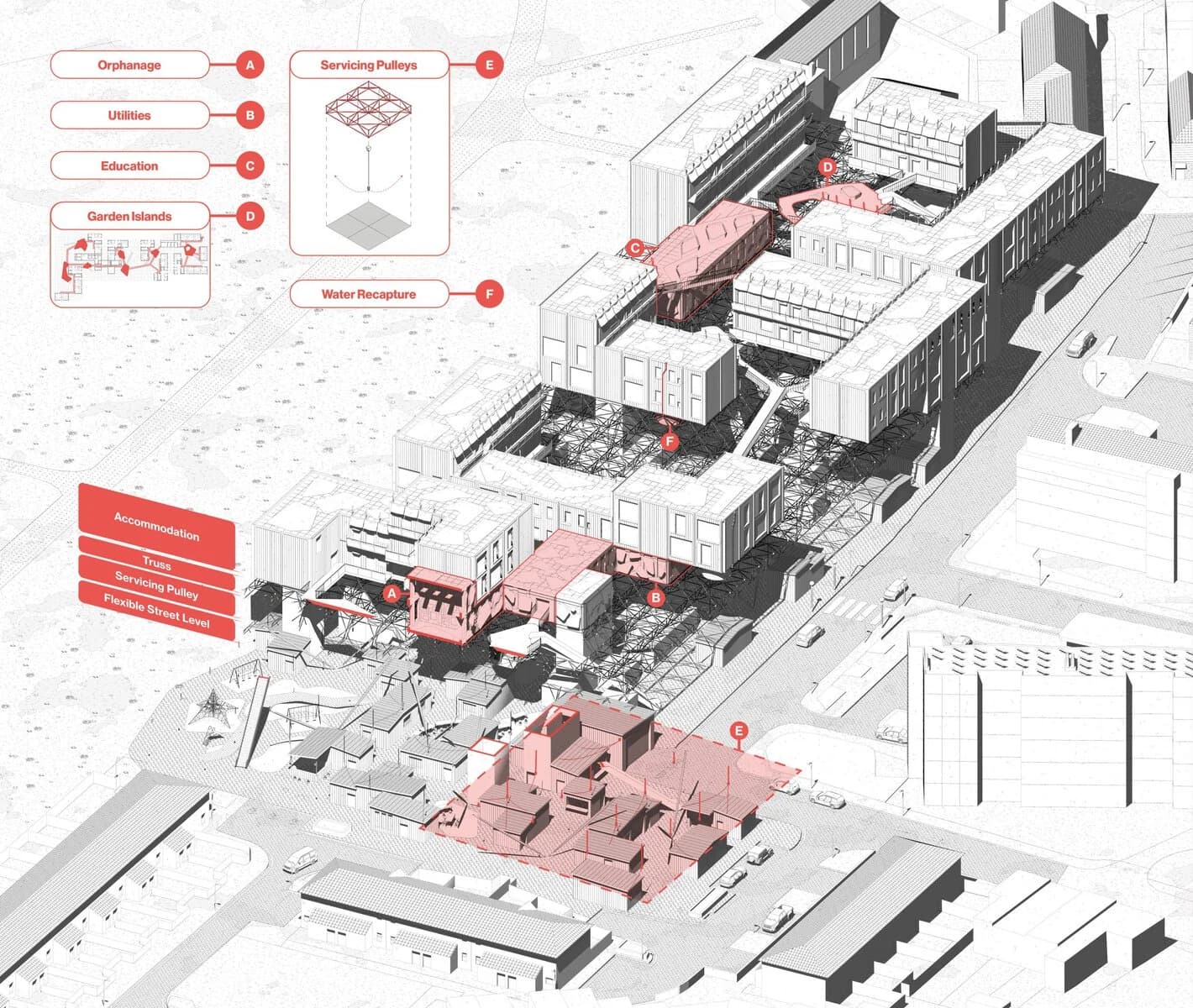
The project uses a sequence of spaces to connect memory, route and community life.
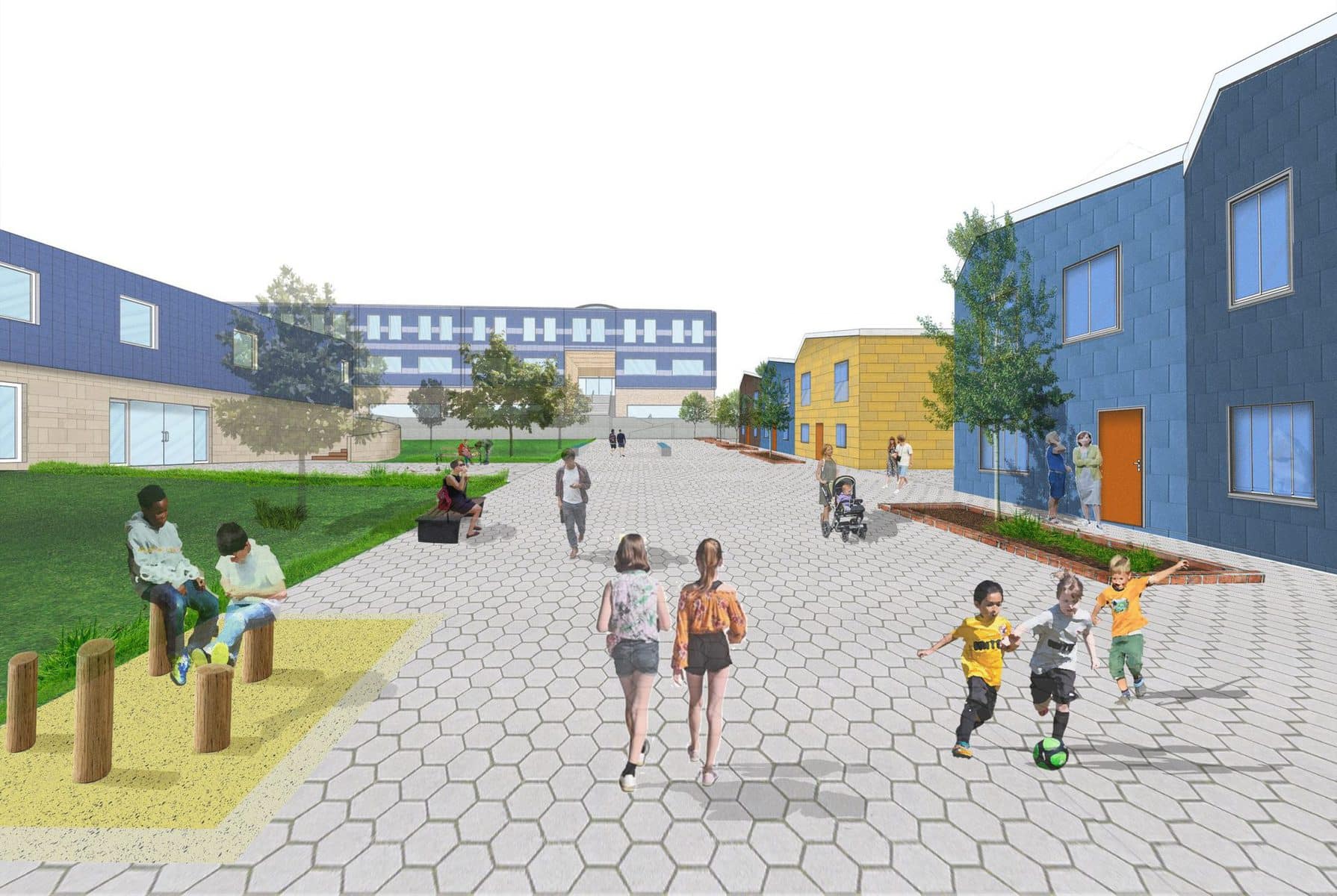
Hastings Old Town becomes the setting for a new community and heritage narrative.
A route through memory
The proposal is structured as a journey through six areas. It begins with a keykeeper’s building and library, then moves through gallery spaces, courtyards and a secret garden.
That route matters because it gives the project a physical way to explore memory. The visitor does not just read about the past. They move through spaces that invite reflection, gathering and storytelling.
What makes the project useful
- It starts with Hastings Old Town and its lost urban connections.
- It uses architecture to support memory rather than simply display it.
- It combines library, gallery, courtyard and garden spaces into one civic journey.
- It treats community art as part of the urban repair strategy.
- It gives a heritage topic a clear spatial sequence.
Memory-led project checklist
For a project about memory or heritage, make the reader understand the route and the public value.
- What memory or history is being recovered?
- Who is the project for?
- How does the visitor move through the story?
- Which spaces hold quiet reflection, gathering and public life?
- What drawings prove the idea?
Showcase your architecture project
If your project explores memory, heritage, public space or community, Architecture Social Showcase can help present it clearly.
- Lead with the project question.
- Show the strongest drawings or images.
- Explain the route, user and public value.
- Add awards or recognition where they support the work.
If this project has made you rethink your own portfolio or next move, browse current architecture jobs or contact Architecture Social for a recruiter’s view.
Keep the conversation going
What stayed with you? Join the Architecture Social community to share your experience or ask a question.