
Editorial
DarSouq by Santya Thananjayan
Santya Thananjayan reimagines Norwich Market as DarSouq, a market-led urban refuge for displaced people and community exchange.
On this page
DarSouq by Santya Thananjayan reimagines Norwich Market as more than a place of trade. The project uses market hall architecture as a framework for refuge, social exchange and rebuilding everyday life.
The scheme is especially focused on displaced people, including refugees and asylum seekers who can be left outside conventional support systems. Rather than designing a sealed shelter, DarSouq proposes a civic place where economic, social and domestic life overlap.
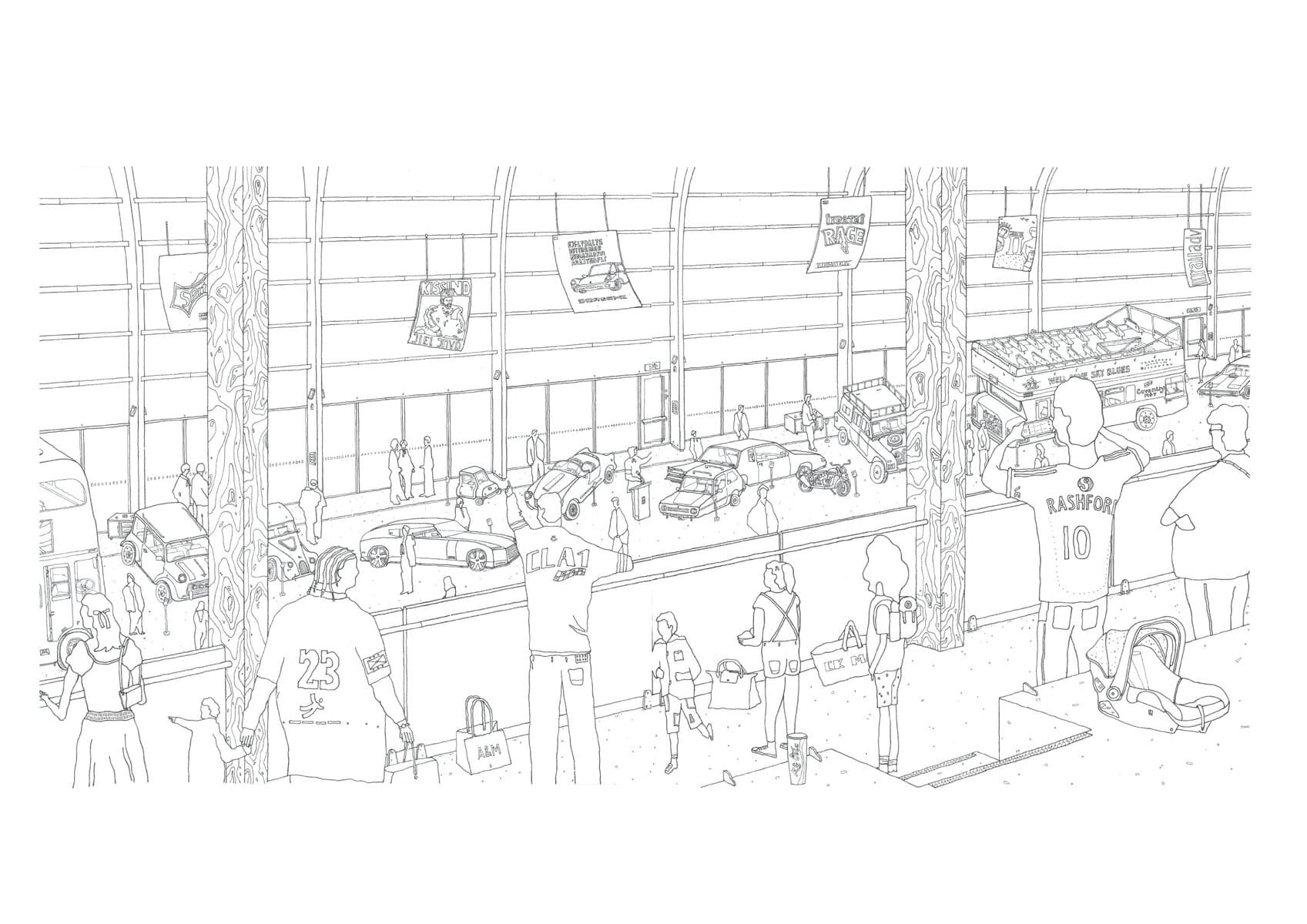
DarSouq uses the market as a public framework for exchange, support and visibility.
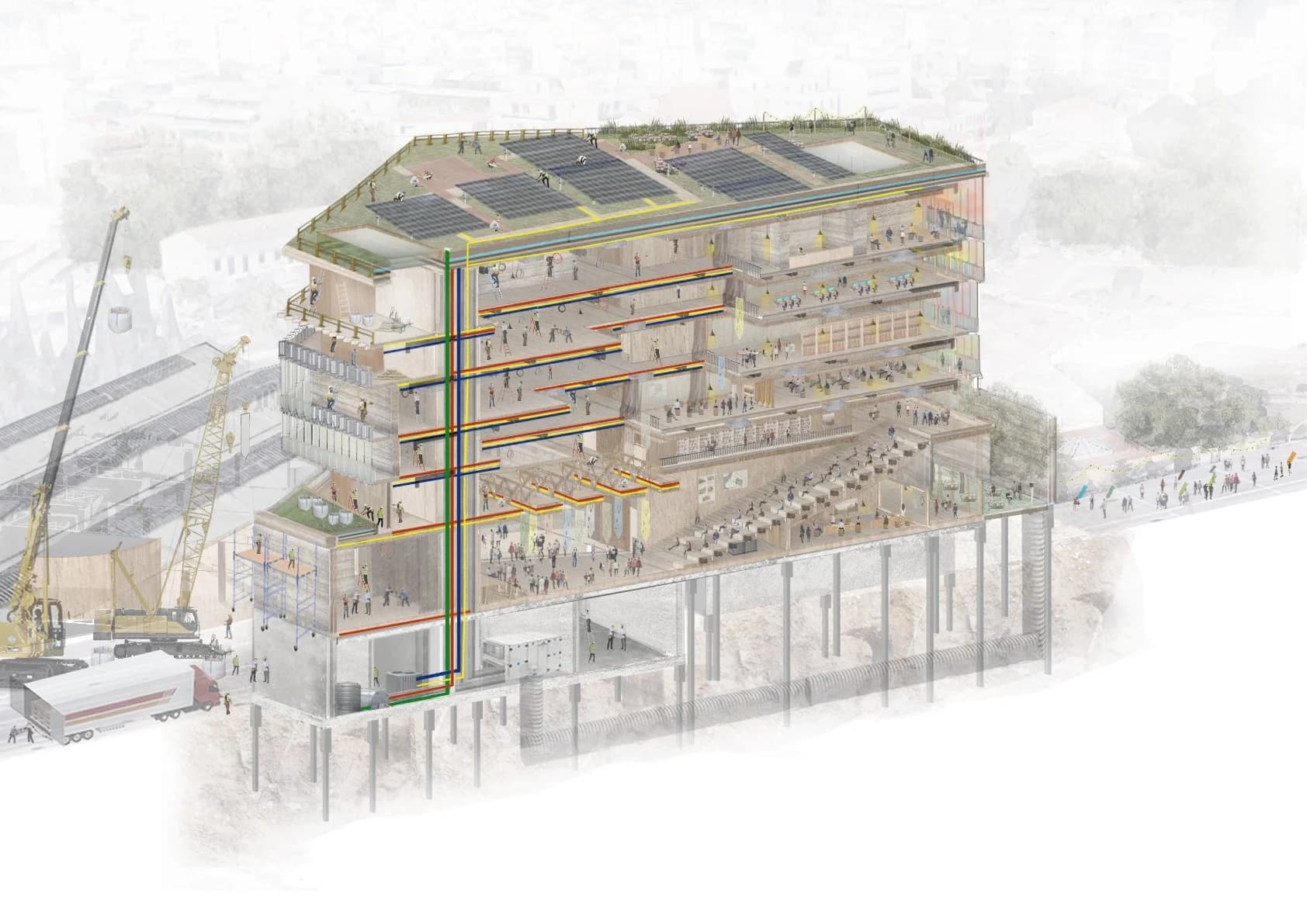
The sectional thinking is important because the project layers public life, services and accommodation.
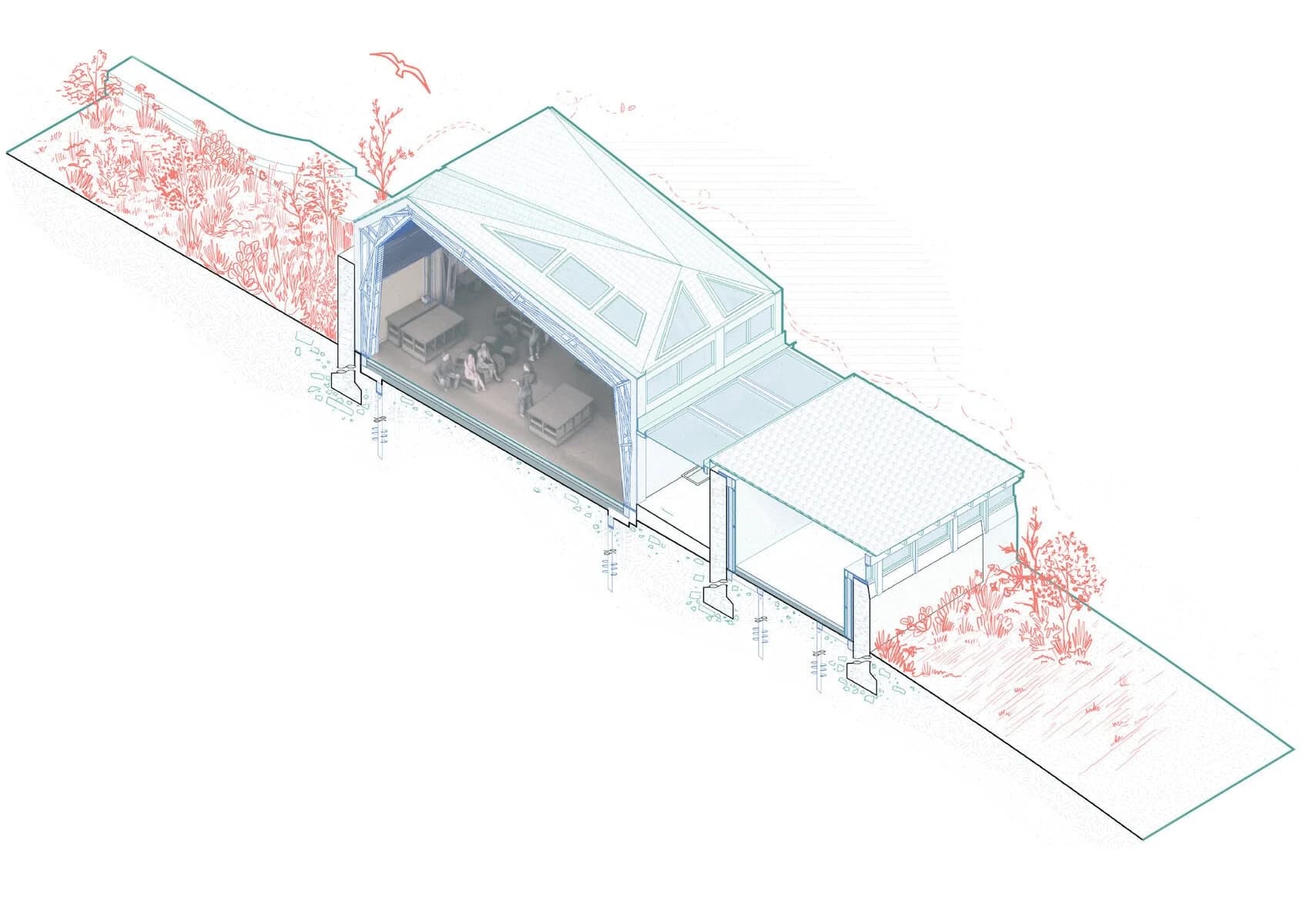
The project frames refuge as part of the city, not a hidden back-of-house condition.
Why the project is stronger than a shelter brief
A weaker version of this idea would simply provide beds. DarSouq is more ambitious because it asks how architecture can help people regain agency, routine and connection. That is a different architectural question, and a more human one.
Portfolio lesson
Socially driven projects need more than good intent. They need clear programme, clear circulation and evidence that the architecture can handle real use. DarSouq works best when the reader can see how market life, accommodation and community support fit together.
Next step
Architecture Social Showcase is open for student, graduate and practice projects with a clear idea and useful visual evidence.
If this project has made you rethink your own portfolio or next move, browse current architecture jobs or contact Architecture Social for a recruiter’s view.
Keep the conversation going
What stayed with you? Join the Architecture Social community to share your experience or ask a question.