
Editorial
InDune by Medha Bansal
Medha Bansal explores architecture against desertification through InDune, a graduate thesis from the AA in Emergent Technologies and Design.
On this page
InDune by Medha Bansal explores architecture against desertification. Developed as a graduate thesis at the AA in London, the project asks how architecture and habitation might adapt in landscapes under environmental pressure.
The project is especially useful because it sits between computational design and environmental urgency. It is not only a speculative image. It is a thesis about how people might live with changing ground, climate and resources.
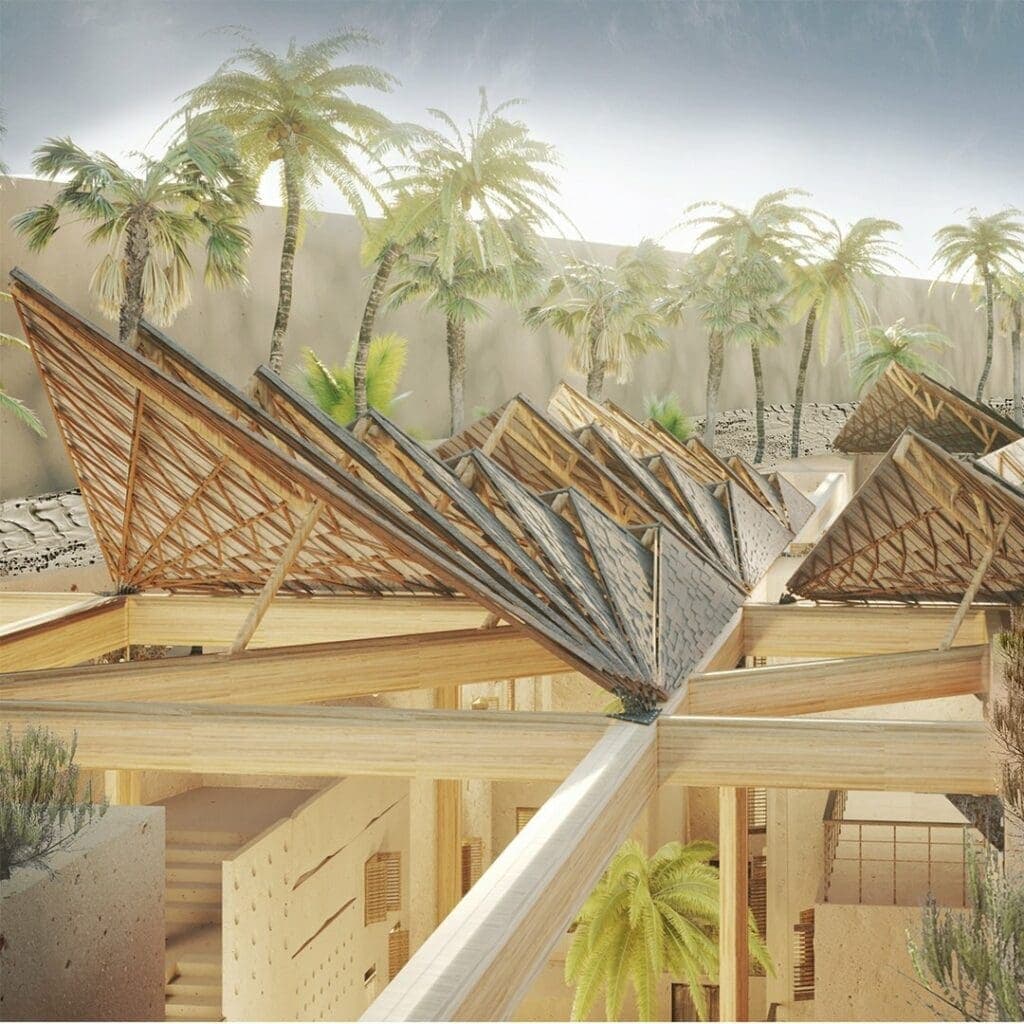
InDune uses desert conditions as the starting point for rethinking architecture and habitation.
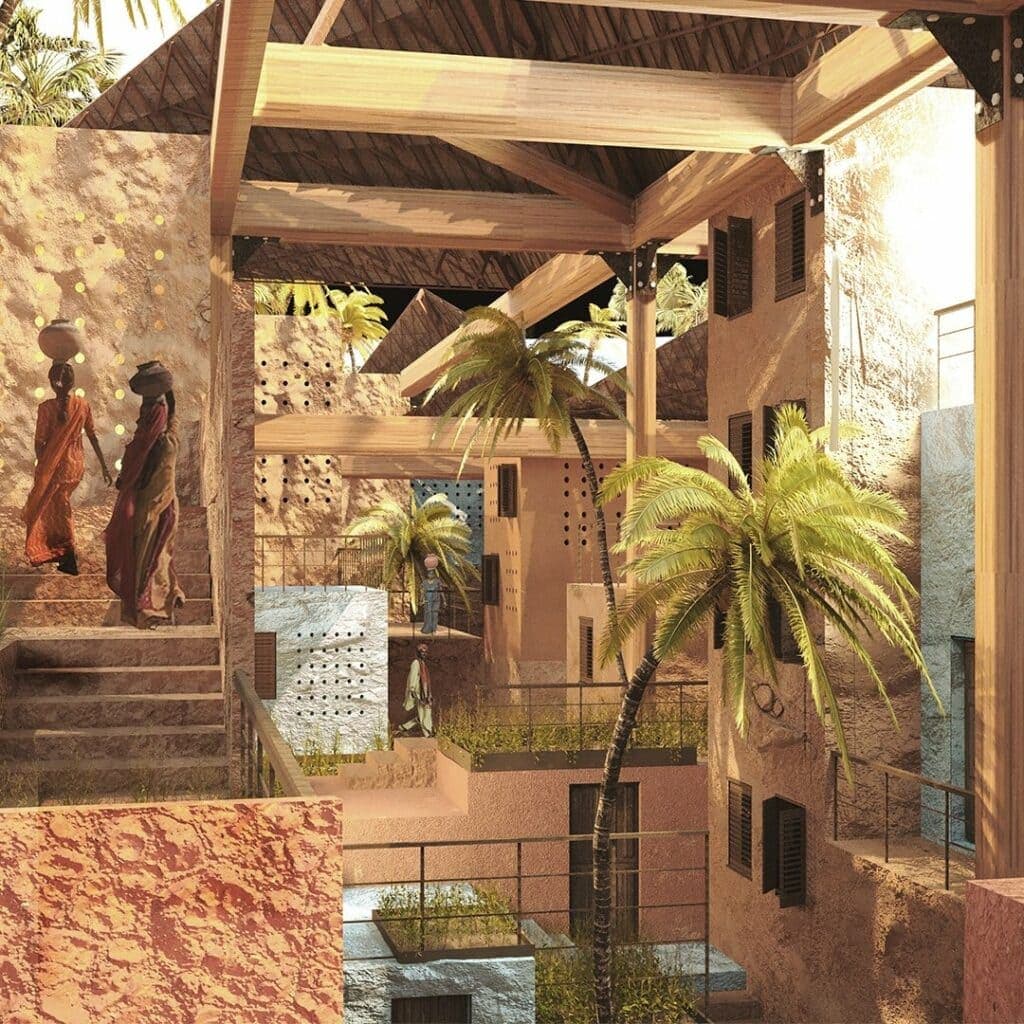
The project explores how future habitation can learn from both environmental constraints and architectural systems.
A thesis about hostile ground
Desertification is not an abstract theme. It changes where people can live, how resources are used and what kind of settlement patterns are possible. InDune uses that pressure as the basis for an architectural proposal.
- The project looks at habitation in areas threatened by desertification.
- It brings computational design thinking into an environmental brief.
- The AA thesis was selected as an Exemplary Project of Academic Year 2019-20.
- The work positions architecture as a tool for adaptation, not only shelter.
Why the project needs a clear narrative
Speculative environmental projects can become hard to read if the portfolio jumps straight to complex imagery. The strongest version explains the problem first, then shows how the design system responds.
Portfolio lesson
For computational and environmental design work, make the logic accessible. A recruiter, tutor or practice should be able to understand the environmental condition, the system you designed and the outcome it produces.
Submit research-led work with a clear problem
Research-led projects are strongest when the reader understands the problem, method and architectural output together.
- State the environmental or social condition clearly.
- Show how the design method responds to that condition.
- Use visuals that explain the system as well as the atmosphere.
- Keep recognition and academic context visible where it adds credibility.
Next step
If your thesis or research project tackles a real architectural problem, submit it to Architecture Social Showcase.
If this project has made you rethink your own portfolio or next move, browse current architecture jobs or contact Architecture Social for a recruiter’s view.
Keep the conversation going
What stayed with you? Join the Architecture Social community to share your experience or ask a question.