Adapt As An Architect: Mid-Career Lessons
Mid-career architecture lessons from Randy Deutsch's Adapt As An Architect, covering relevance, reinvention and career resilience.
Jump to a section
Adapt As An Architect is useful because it speaks to a stage of the architecture career that does not always get enough honest attention: the middle.
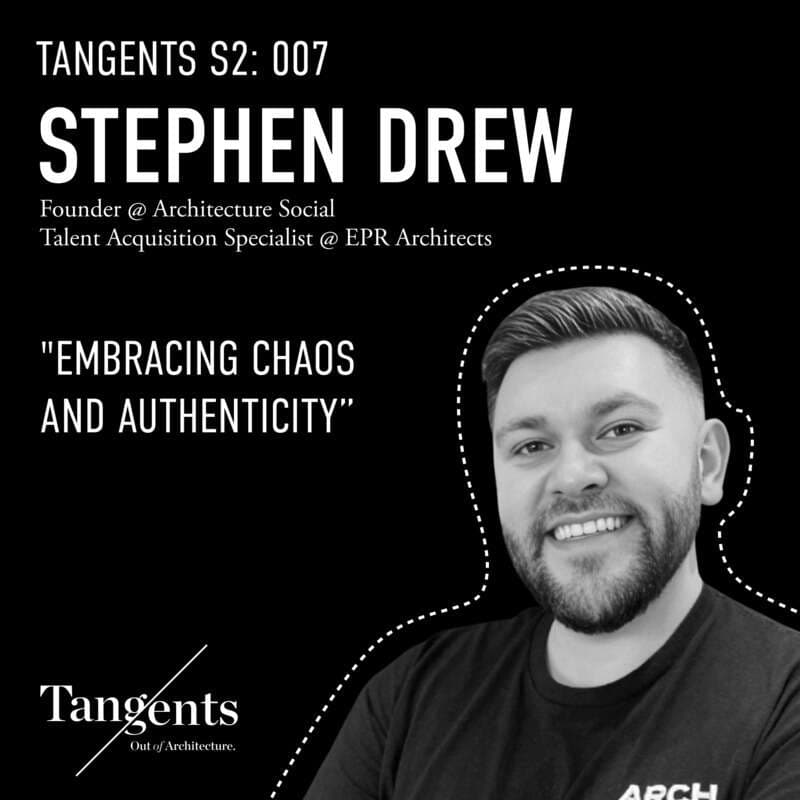
The original Architecture Social article was a Q&A connected to Randy Deutsch's book Adapt As An Architect: A Mid-Career Companion. The better version of the question is simple: how do you stay relevant without pretending your career has to follow one perfect route?
Watch: future-proofing your architecture career
This Architecture Social video supports the article because adapting as an architect is really about staying relevant: skills, judgement, visibility and the next role you are building towards.
This YouTube video needs media cookies to play here.Enable videos and podcasts, or accept all optional cookies.
Your choice is remembered across the site. Change it any time.
Why mid-career can feel awkward
Early career has obvious milestones: Part I, Part II, Part 3, first job, first projects, first site experience. Later career can have clearer leadership labels. Mid-career is often messier.
You may have strong experience, but still feel boxed in by sector, software, project type, office structure or the expectations of a role you no longer want.
What the original Q&A got right
Stephen's original answer was that moving up does not always mean moving in a straight line. Sometimes the better move is lateral. Sometimes it is a step back into a healthier direction. Sometimes it is a specialism.
- A project architect may move into BIM, sustainability or technical delivery.
- A designer may move towards visualisation, brand, interiors or digital work.
- A practice leader may realise they are stronger in clients, strategy or business development.
- Someone stuck in one sector may need to rebuild evidence in another.
- A mid-career architect may need to learn new software without treating that as a personal failure.
Listen: how architects must adapt
This related episode adds a technology-led view of adaptation, including how changing tools can force architects to rethink what value they bring.
This Transistor podcast needs media cookies to play here.Enable videos and podcasts, or accept all optional cookies.
Your choice is remembered across the site. Change it any time.
How to stay relevant without starting again
Relevance is not about chasing every trend. It is about understanding where your current evidence is strong, where the market has moved and what you need to add next.
- Audit your project evidence by sector, stage, scale and responsibility.
- Check whether your software skills match the roles you want next.
- Decide which specialism or market direction genuinely interests you.
- Make your value visible in your CV, portfolio and conversations.
- Stop waiting for a practice to design your career path for you.
Where adaptation can go wrong
The danger is panic. If you feel behind, it is easy to jump at every course, tool or job title. That can make your profile look scattered rather than adaptable.
A better approach is to choose one direction and build evidence around it. If you want to move into sustainability, show project decisions. If you want to move into BIM, show coordination and process. If you want to move into leadership, show judgement, mentoring and client trust.
A practical mid-career review
A good mid-career review should be blunt but useful. You are not trying to prove that every decision was perfect. You are trying to understand what your next move should build on.
- What work gives you energy and what work drains you?
- Which project stages can you evidence properly?
- Which sector would you struggle to move into without extra proof?
- Which skill gap is holding back the roles you want?
- What would a hiring manager understand about you in 30 seconds?
What practices should notice
Practices also have a responsibility here. Mid-career staff often carry the office, but they can be left with vague progression, outdated training and unclear expectations. If those people leave, the practice loses more than a name on a resourcing plan.
- For practical next steps, read the Architecture Career Planning Guide.
- If technology is part of the pressure, read AI in Architecture Careers.
- If you are benchmarking your next move, check live jobs and the salary survey.
Common mistakes
- Assuming the only good route is project architect to associate to director.
- Letting one weak job define your whole career story.
- Avoiding new tools because learning them feels uncomfortable.
- Changing direction without building evidence.
- Waiting too long to update your CV, portfolio and market narrative.
Next step
Pick one gap: sector, software, leadership, digital skills, sustainability or client experience. Build evidence around that gap, then update your CV and portfolio so the next person can understand the move quickly. You can also explore Randy Deutsch's books for the wider source context.
CONTINUE THE CONVERSATION
What’s your take?
One conversation, here and in the forum.
Add your perspective
What stayed with you? Share your experience or ask a question about this article.