The profession · Editorial
Reclaiming RIBA and Architecture Social's Role
How Architecture Social, Stephen Drew and grassroots organisers helped shape the 2022 RIBA election and Muyiwa Oki campaign.
On this page
The Reclaiming RIBA story matters because it showed that architecture's institutions are not untouchable. A grassroots campaign, early-career organisers and a visible public platform helped shift the 2022 RIBA presidential election into a wider conversation about work, climate, representation and power.
The post should be read alongside the research article Reclaiming an architectural royal institution, RIBA's profile of Muyiwa Oki and contemporary reporting on the campaign.
Watch: Just Transition Lobby hustings
This Architecture Social hustings is useful because it shows the campaign energy in public, not just as a later written account.
This YouTube video needs media cookies to play here.Enable videos and podcasts, or accept all optional cookies.
Your choice is remembered across the site. Change it any time.
Read the research behind the story
The embedded paper gives the wider academic context for the campaign, including the Just Transition Lobby, organising networks and the role of online public discussion.
Why the 2022 RIBA election mattered
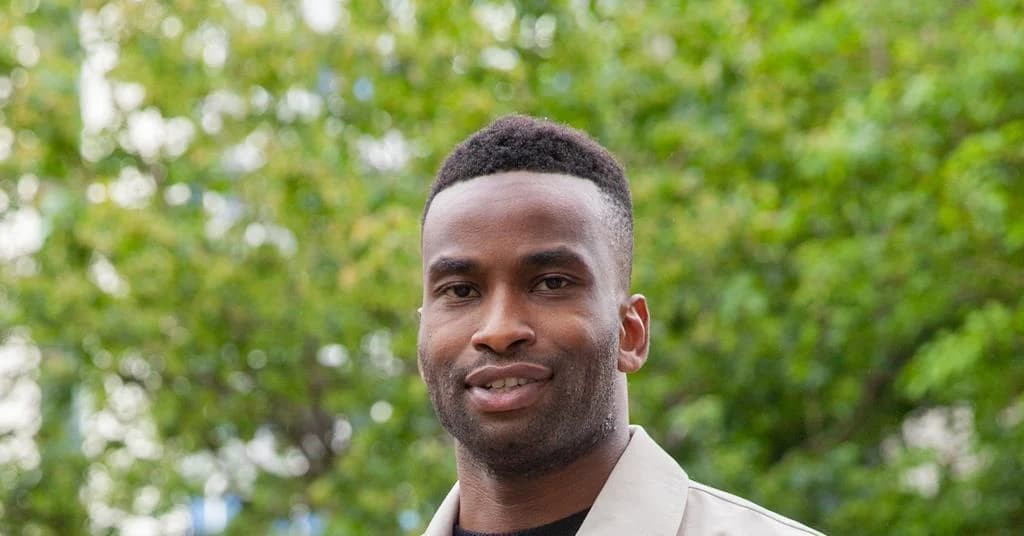
Muyiwa Oki's election was not only symbolic, though the symbolism was powerful. RIBA records him as serving as its 80th President from 2023 to 2025, and notes that he was the youngest and first Black person to hold the role.
The deeper point was that people who often felt distant from institutional power found a way to organise around it. Early-career architects, workers, students and reform-minded members could see a route to influence.
Where the momentum came from
The campaign did not appear from nowhere. It sat inside a wider frustration with unpaid overtime, climate inaction, representation, low pay and the feeling that professional politics was happening somewhere else.
That is why the digital layer mattered. A public conversation can make hidden frustration legible. It gives people language, witnesses and a sense that their individual concern is part of a wider professional issue.
Listen: the hustings conversation
The audio version gives the full discussion more space, including the tone, questions and urgency around the future of the profession.
Stephen's role, accurately framed
Stephen Drew is the founder of Architecture Social, a recruiter, Part II qualified industry voice and community builder. He is not an architect, and that distinction matters.
His value in this story was not claiming institutional authority. It was using the platform he had built to let other voices be heard, tested and amplified.
What the profession can learn
- Institutional reform needs visibility, not just private frustration.
- Grassroots campaigns need practical platforms as well as ideas.
- Students and early-career workers should not be treated as future members only. They are part of the profession now.
- A professional body has to earn trust from people who do not already feel represented by it.
- Community media can shape professional debate when it is open, timely and useful.
Common mistakes
- Turning the campaign into one person's story.
- Forgetting the organisers and groups who built the pressure.
- Treating online debate as less real than committee-room politics.
- Writing about reform without asking what changed for workers and students.
- Describing Stephen as an architect rather than founder and industry voice.
Next step
Watch the hustings, read the research and stay involved. You can continue the conversation through the Architecture Social forum, the podcast and our wider resources.
For practical next steps, browse current architecture jobs or set up architecture job alerts.
Keep the conversation going
What stayed with you? Join the Architecture Social community to share your experience or ask a question.