Projects / Student work
(Re) Active Growth: Queering Spatial Production
This thesis explores how architectural norms are imposed upon a spatial grid, affirming and negating certain bodies in the process. The nuclear home is used as an example to illustrate how space seeks to materialise a body that conforms to the hegemonic order, effectively denying identities that do not align with its…
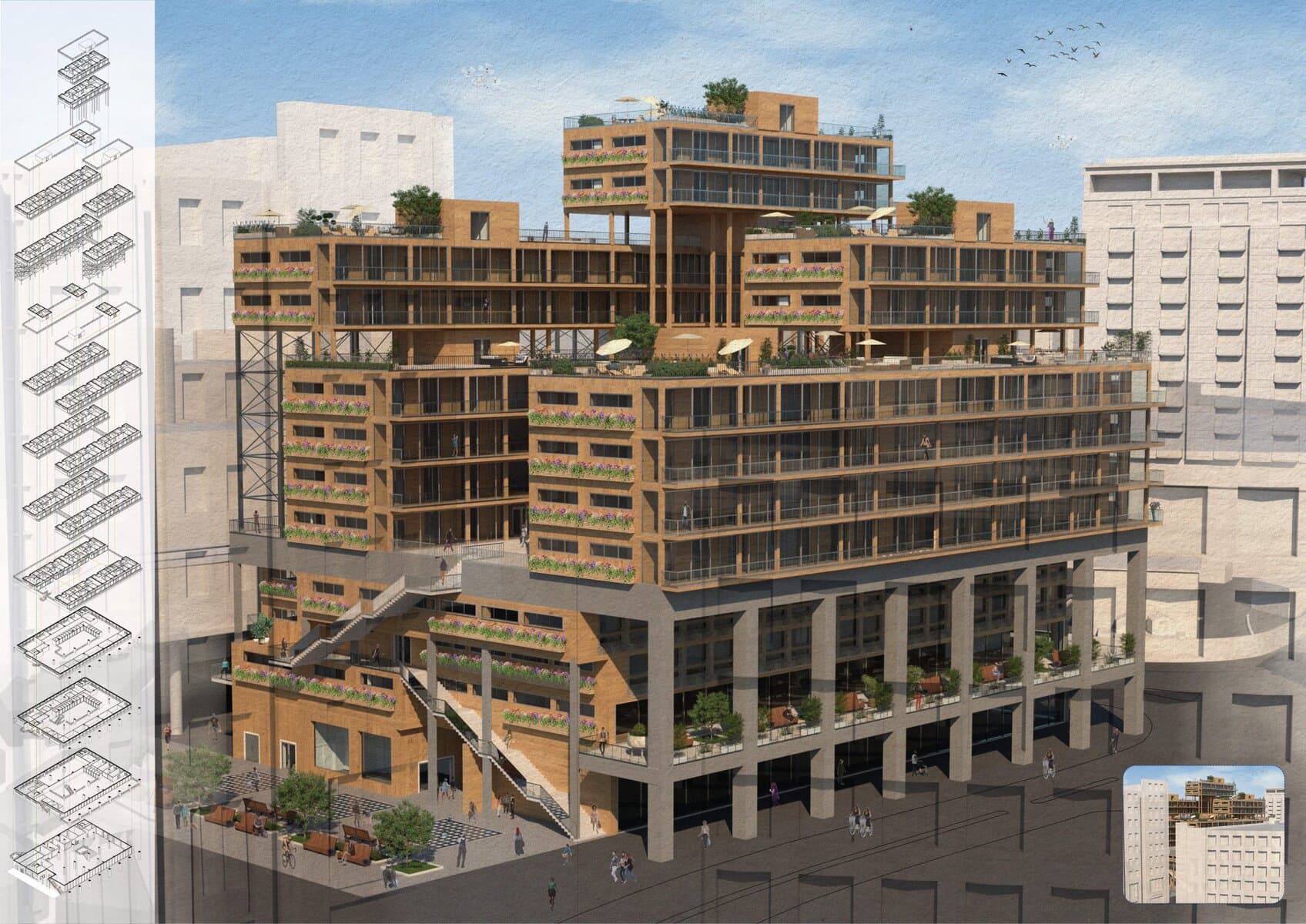
Development view 1
- Project context
- Conceptual
The brief
The question behind the work.
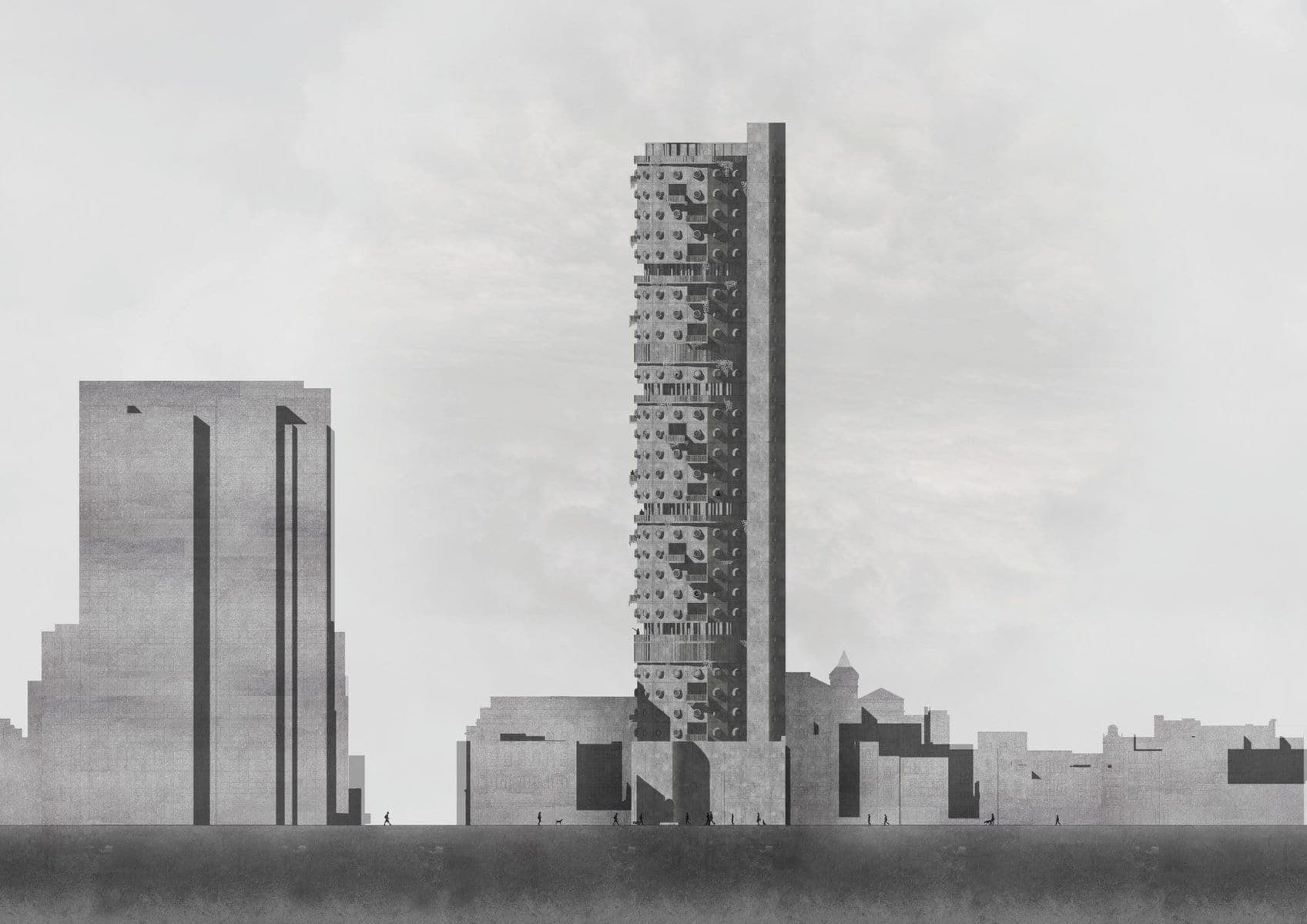
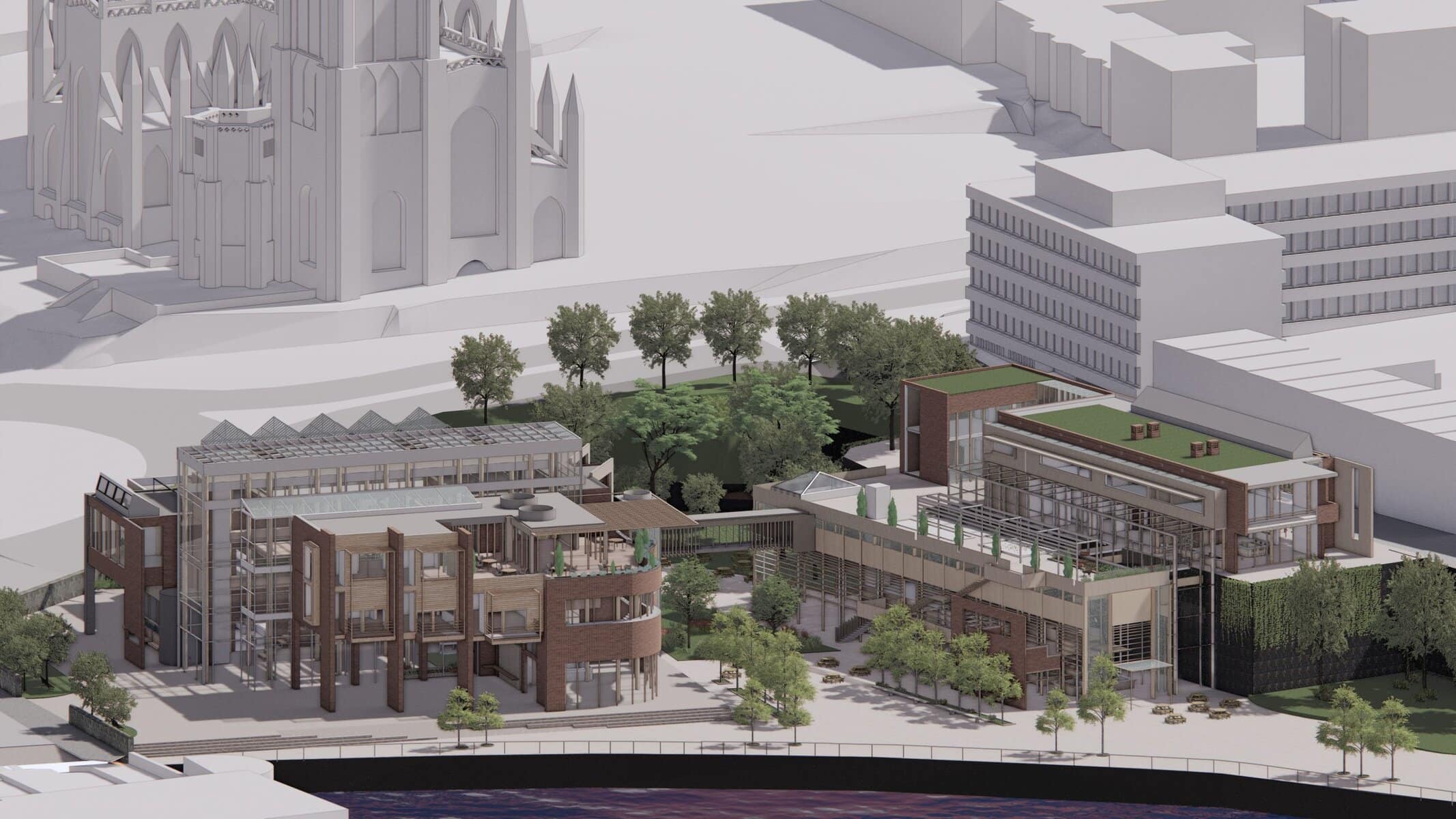
This thesis explores how architectural norms are imposed upon a spatial grid, affirming and negating certain bodies in the process. The nuclear home is used as an example to illustrate how space seeks to materialise a body that conforms to the hegemonic order, effectively denying identities that do not align with its ideals. In contrast, the queer 'pop-up' rave is highlighted as a means through which bodies subvert these norms via performance, creating spaces for non-conforming individuals that are often marginalised by the hegemonic order established through architectural and planning frameworks. Throughout the thesis, the author demonstrates how these issues are intricately linked to the profession of architecture, acknowledging that any attempts to address them would necessitate a comprehensive overhaul of the field. This project serves as a vehicle for critiquing these norms through a design that is performative, drawing on Muñoz’s concept of 'concrete utopia' and the fluidity inherent in queerness. The design process does not provide solutions to the issues discussed nor a definitive answer; rather, it fosters questioning and critiques of the systemic hegemonic order, raising awareness of its contingency with the aim of destabilising it. This approach represents a hypothetical translation of the queer subversion of architecture and queer intersubjectivity into an architectural scale, making visible aspects that are often overlooked and repudiated. It is posited that queer worldmaking offers a framework for broadening perspectives, enabling the assertion of agency and the envisioning of a more desirable future. Rather than exploiting spatial production in a manner that excludes non-normative bodies, the profession should aspire to promote inclusion.
Development view 2

Development view 3
Credits
- Submitted by
- Lloyd Butcher
- Designer study history
- University of Westminster
The author
Lloyd Butcher
Something wrong with this listing?
Tell us if it is inaccurate, not genuine or a concern. Our team reviews every report.
Keep exploring