The brief
The question behind the work.
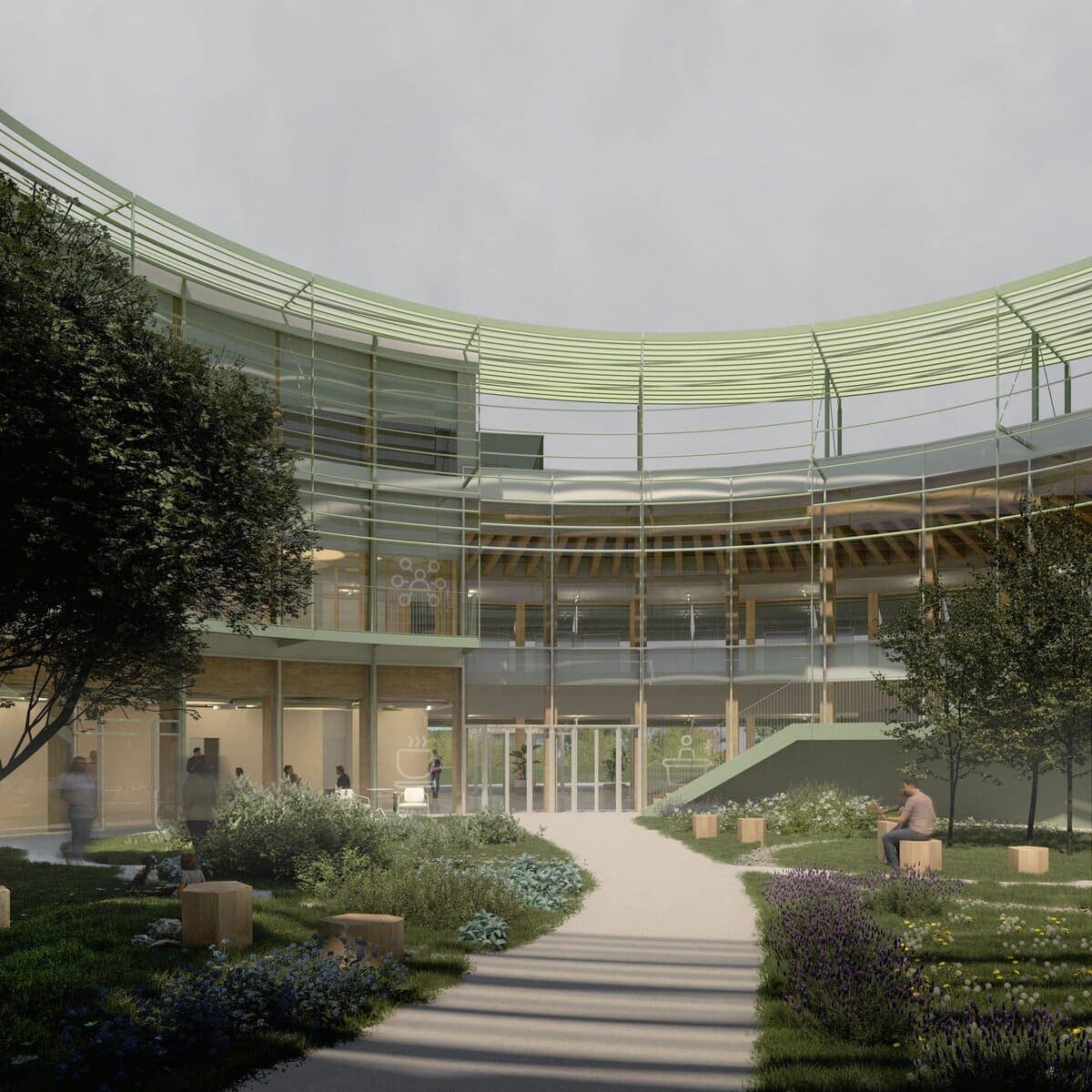
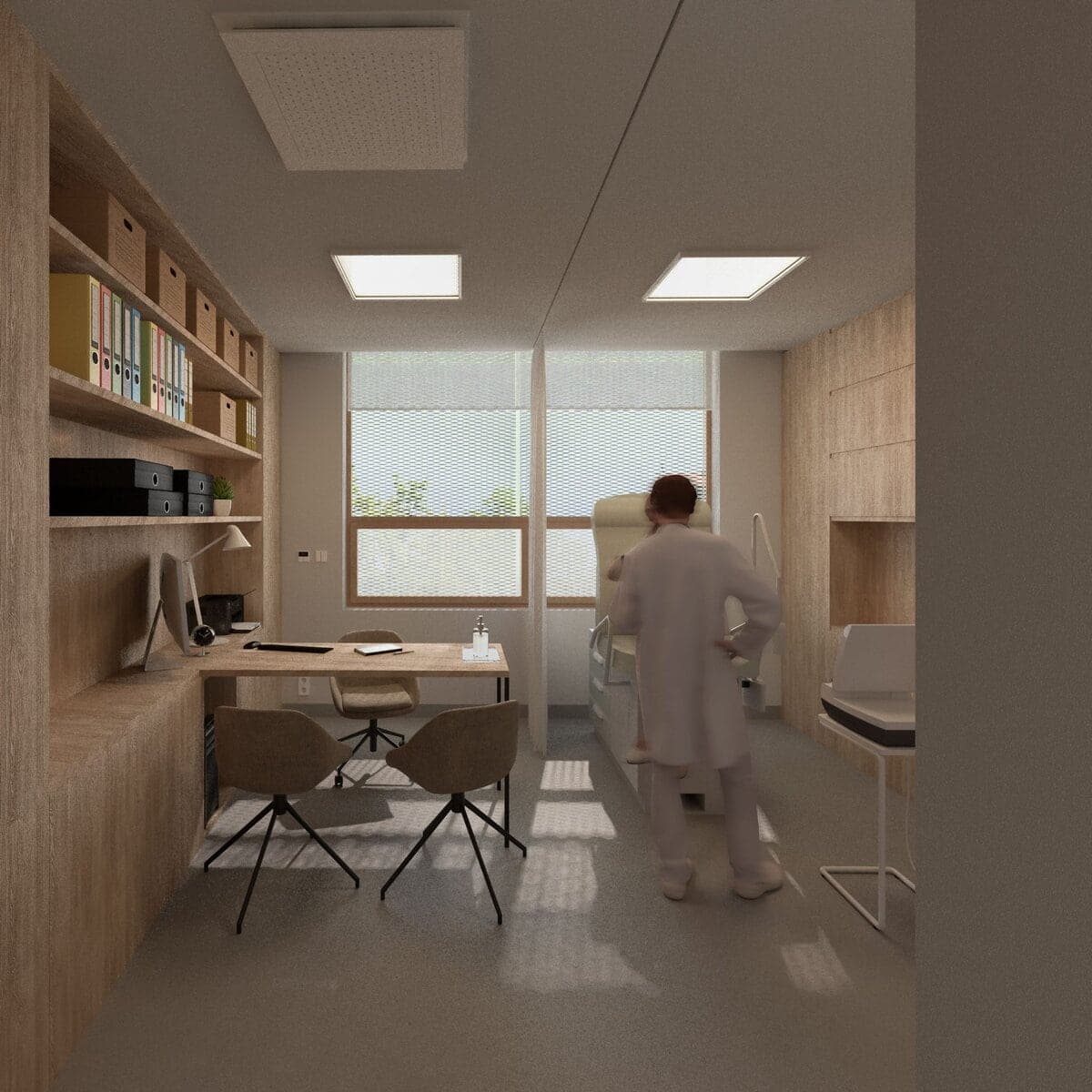
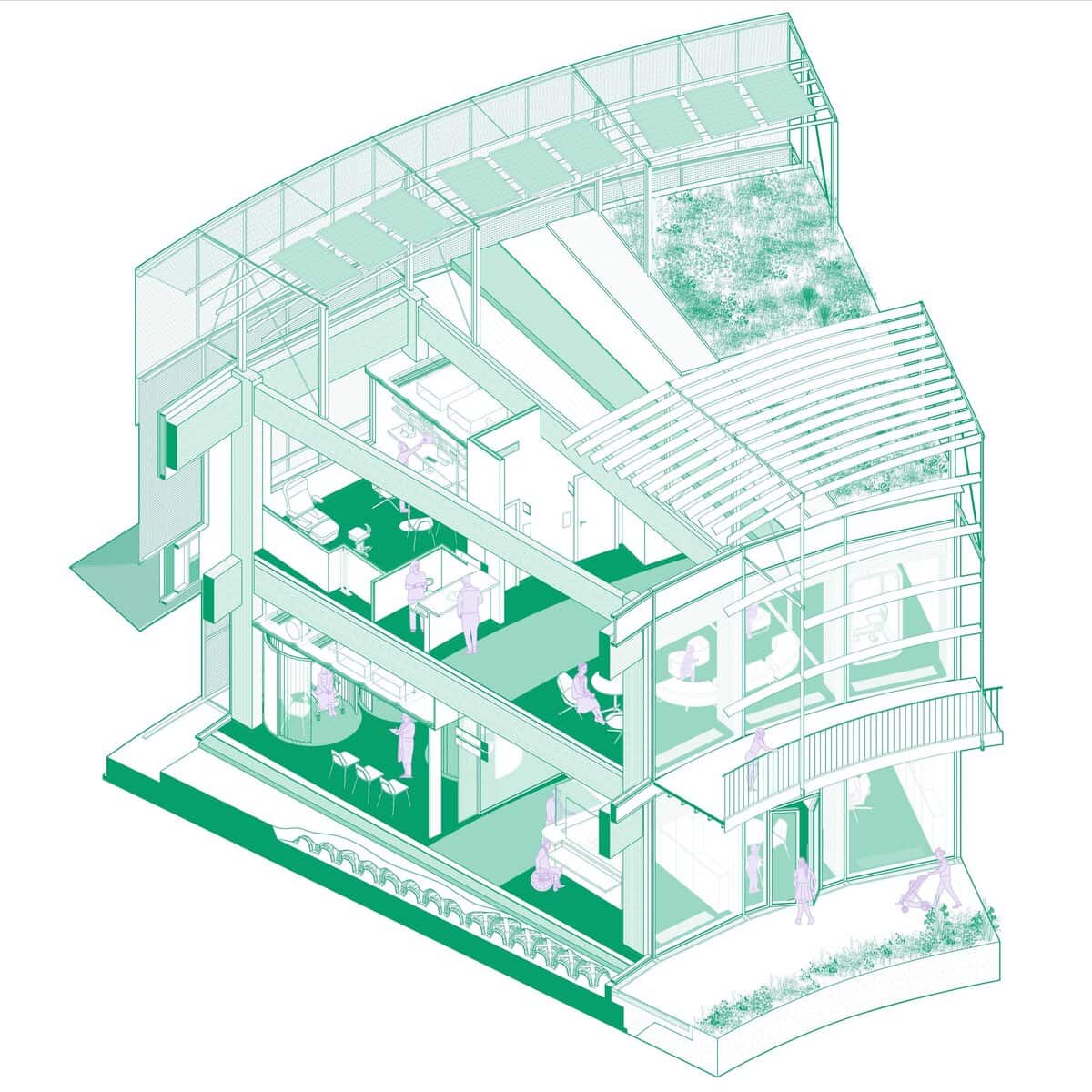
Cristina Cammaroto's Master’s thesis, developed with the Design and Health Lab (now part of the WHO), focuses on designing a Community Health Centre (Casa di Comunità - CdC) to support Italy's shift from centralized hospitals to territorial healthcare. The project, based on sociological research, integrates the CdC into the Gallaratese neighbourhood of Milan, creating the multifunctional urban route, the Nuova Strada Vitale. The CdC features a parametric façade with Expanded Metal Mesh (EMM) and adjustable louvre blades to optimize privacy, lighting, and energy efficiency. The work was carried out in collaboration with colleagues Luca Fornoni and Matteo Vitali, and was guided by a team of five professors, including the main supervisor and several co-supervisors.
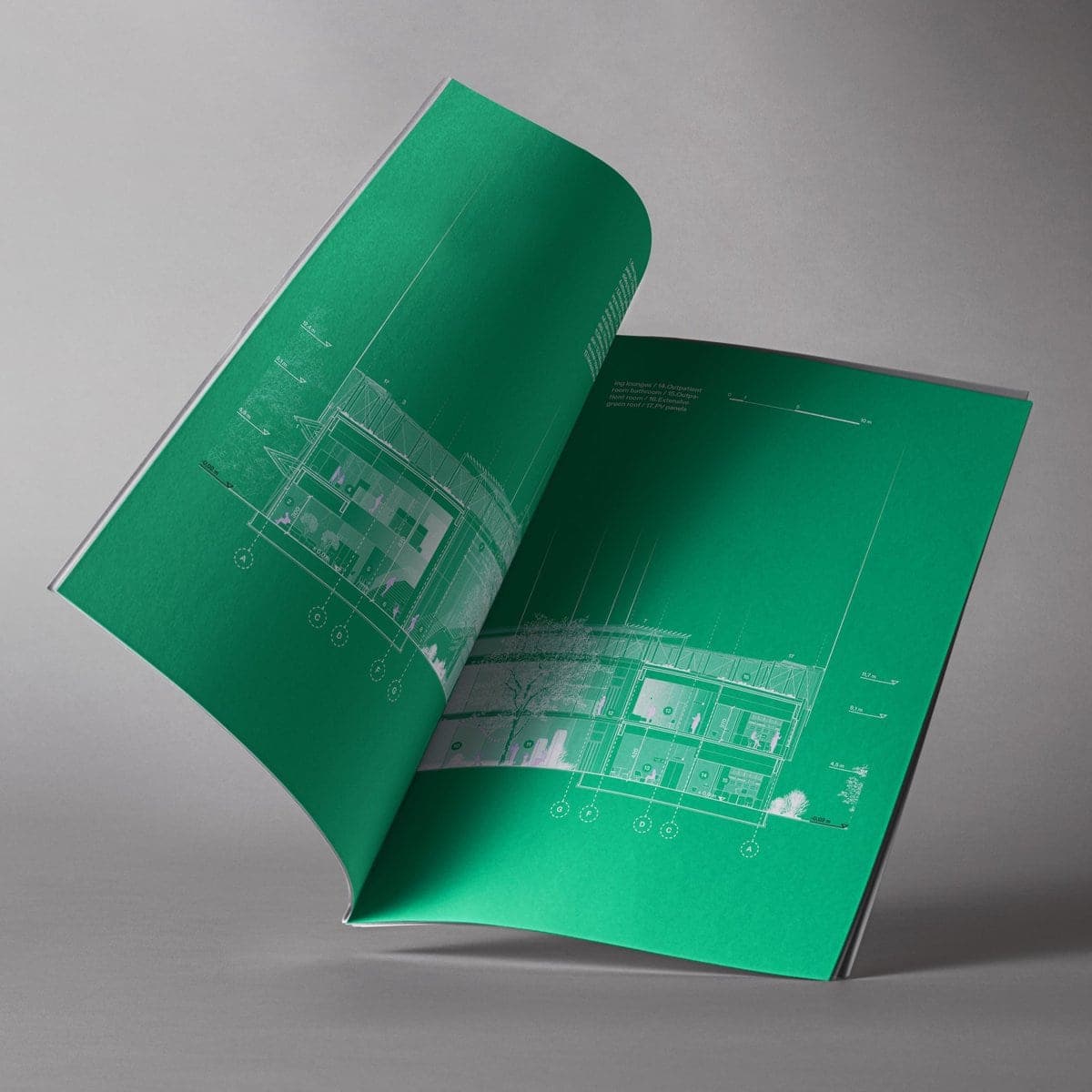
The design process incorporated computational tools such as Grasshopper and Octopus in Rhinoceros, along with Building Information Modeling (BIM), to optimize the building's envelope for user comfort. Her project has received four awards, including two first-place honours, with a recent win in November. Cristina's thesis highlights the powerful intersection of architecture, healthcare, and technology, demonstrating how design can positively impact both individual and community well-being.