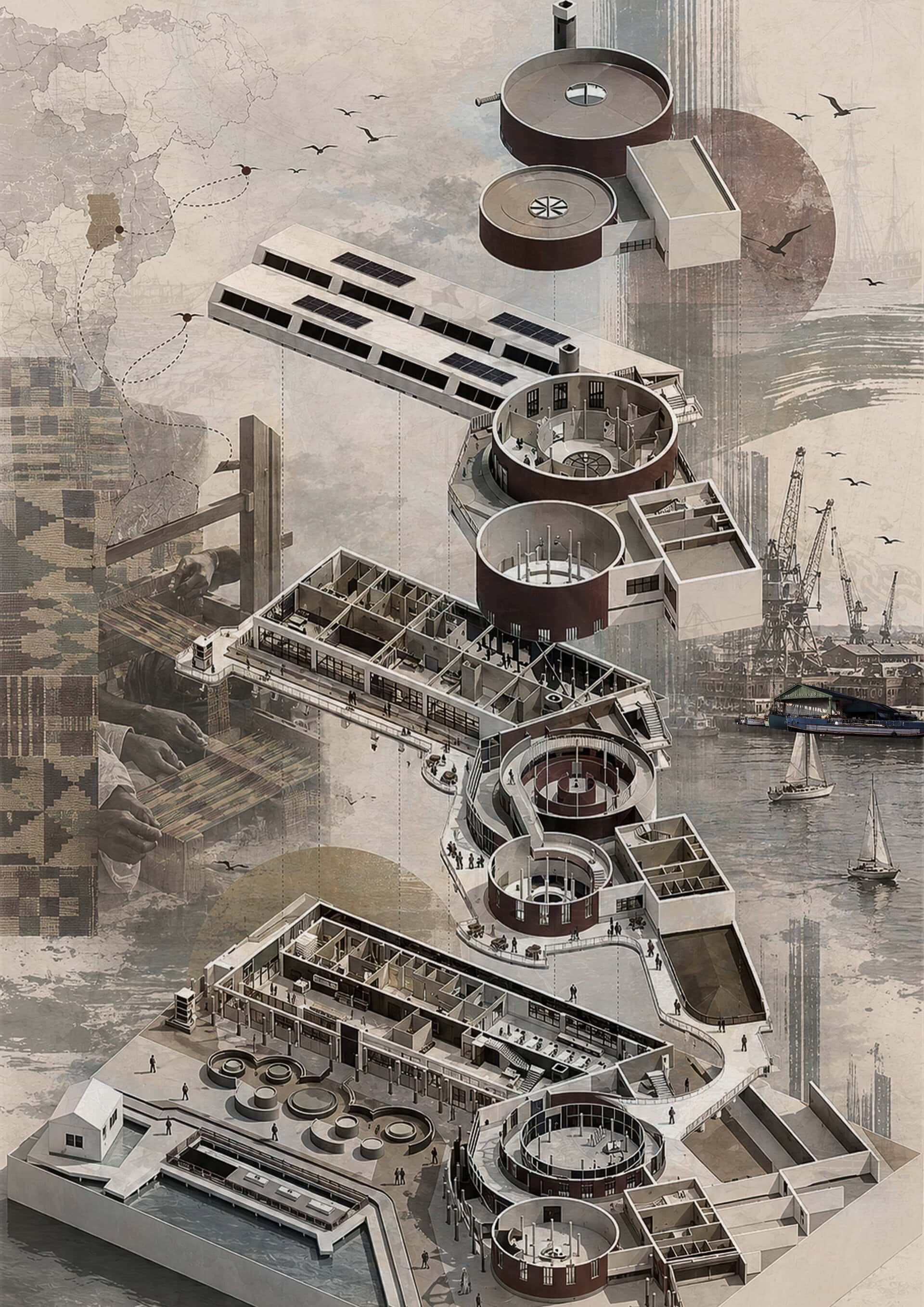
Benita’s thesis project explores how architecture can respond to the pressures facing historic waterfronts. While regeneration often focuses on economic growth and redevelopment, it can also contribute to the loss of cultural identity, traditional industries, and community spaces. This issue is particularly relevant a…
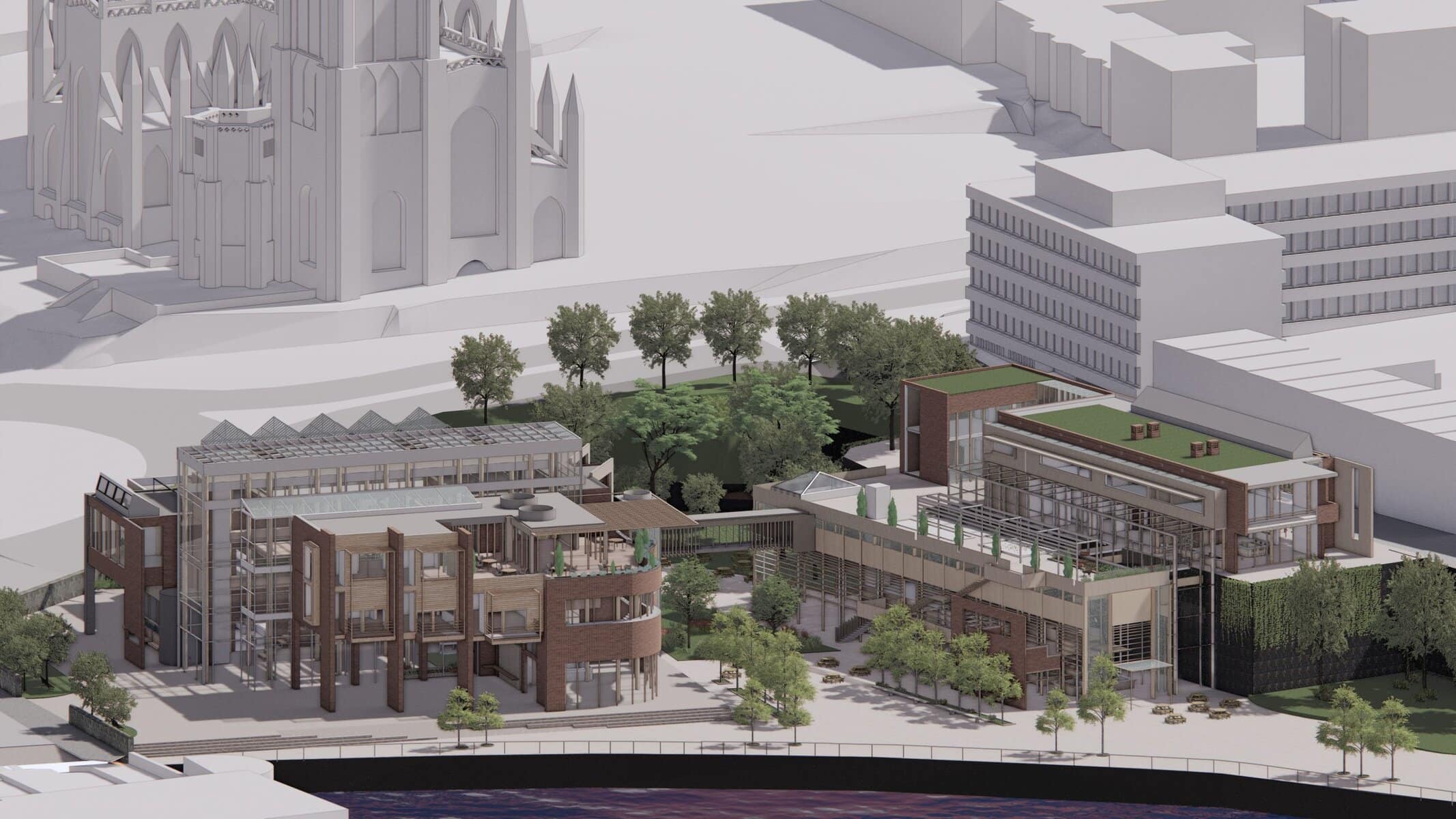
Benita’s thesis project explores how architecture can respond to the pressures facing historic waterfronts. While regeneration often focuses on economic growth and redevelopment, it can also contribute to the loss of cultural identity, traditional industries, and community spaces. This issue is particularly relevant at Underfall Yard, Bristol’s last active boat repair yard, which faces increasing pressures from climate change, redevelopment, and the decline of maritime industries.
The project was further informed by the 2023 fire that damaged one of the site’s historic sheds. Although the fire did not spread to the adjacent listed buildings, it highlighted the vulnerability of the site and the need to secure its future.
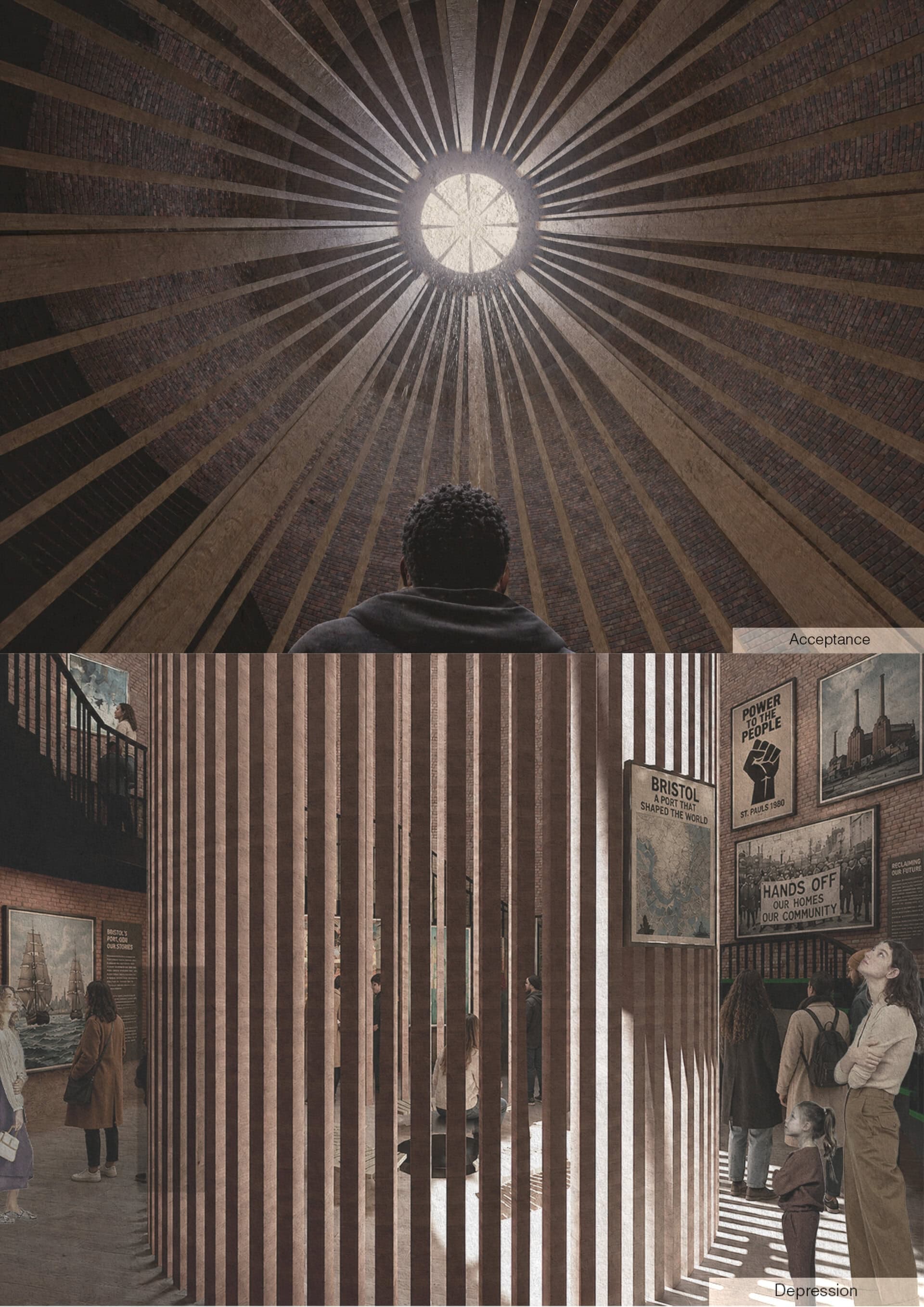
Looking at Bristol’s maritime history reveals both innovation and exploitation. The city’s prosperity was shaped by shipbuilding, trade, and dockside labour, but also by its involvement in the transatlantic slave trade. The project argues that one history cannot be acknowledged without the other. In response, the proposal combines spaces for repair and remembrance, bringing together traditional boat-building workshops, heritage interpretation, and community facilities.
Development
From brief to outcome.
Development view 2
Author · Benita Onuoha
Development 1
The project was further informed by the 2023 fire that damaged one of the site’s historic sheds. Although the fire did not spread to the adjacent listed buildings, it highlighted the vulnerability of the site and the need to secure its future.
Development view 3
Author · Benita Onuoha
Development 2
Looking at Bristol’s maritime history reveals both innovation and exploitation. The city’s prosperity was shaped by shipbuilding, trade, and dockside labour, but also by its involvement in the transatlantic slave trade. The project argues that one history cannot be acknowledged without the other. In response, the proposal combines spaces for repair and remembrance, bringing together traditional boat-building workshops, heritage interpretation, and community facilities.
Development 3
The design promotes intergenerational learning by creating opportunities for young people to engage with traditional maritime crafts through workshops, training, and apprenticeship pathways. West African Adinkra symbols, including Sankofa, Gye Nyame, and Eban, informed the project’s approach to memory, resilience, and community.
Development 4
The technical research explored traditional timber joints, including lashing, pegged connections, and mortise and tenon joints. These experiments informed the development of the structural junctions and the relationship between the new timber intervention and the retained historic fabric.
Outcome
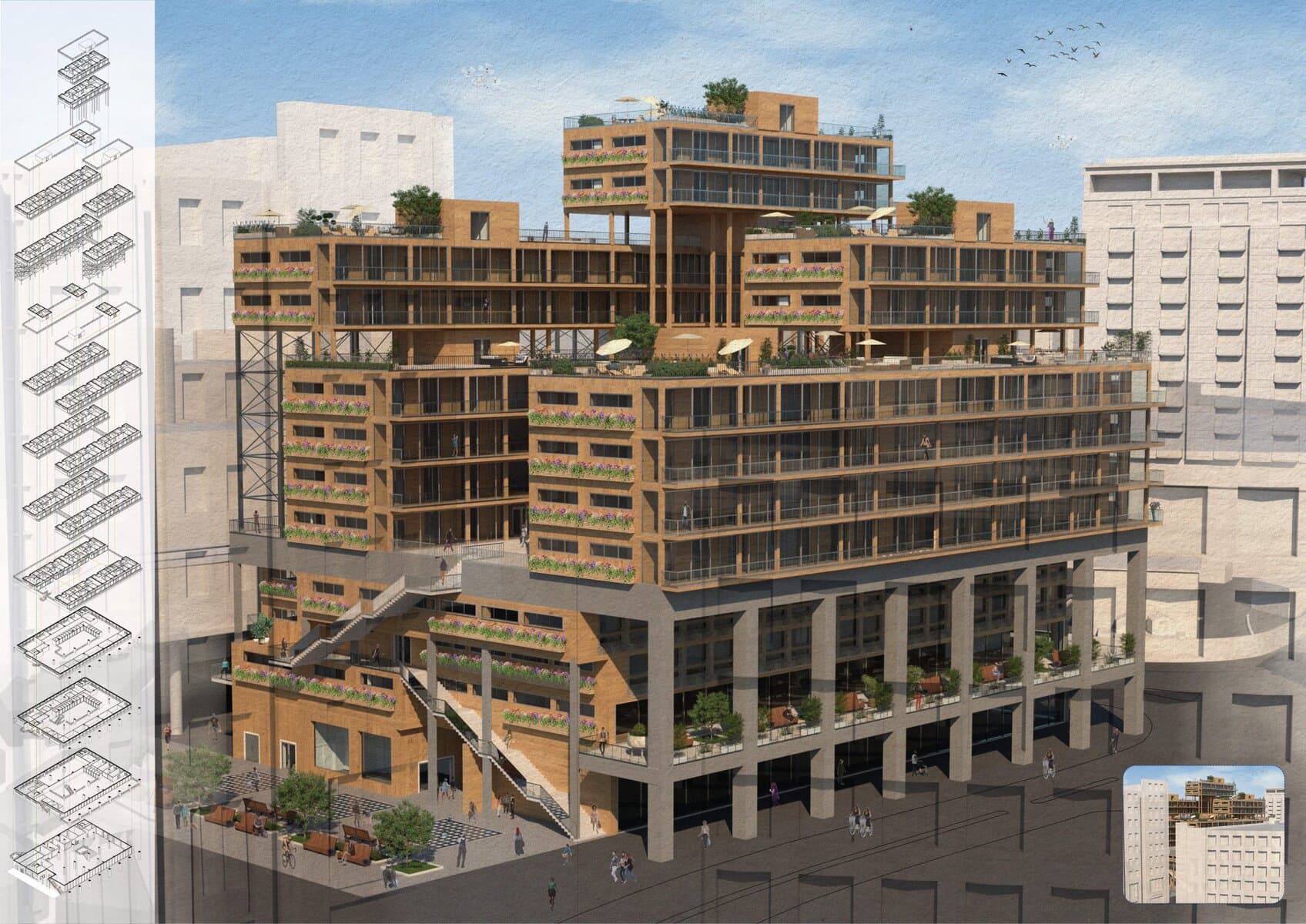
The final proposal.
The design promotes intergenerational learning by creating opportunities for young people to engage with traditional maritime crafts through workshops, training, and apprenticeship pathways. West African Adinkra symbols, including Sankofa, Gye Nyame, and Eban, informed the project’s approach to memory, resilience, and community.
The technical research explored traditional timber joints, including lashing, pegged connections, and mortise and tenon joints. These experiments informed the development of the structural junctions and the relationship between the new timber intervention and the retained historic fabric.
The project is also inspired by Martin Luther King Jr.’s “I Have a Dream” speech, adapting its future-focused vision into a manifesto centred on hope, repair, cultural continuity, and environmental regeneration. Ultimately, the proposal seeks to ensure that Underfall Yard remains an active, resilient, and culturally significant waterfront for future generations.