Projects / Student work

Forgeworks

1 / 3

Kimberly’s MArch design thesis, Forgeworks, proposes a new workplace for fabrication, semiconductor processes and satellite integration in Cardiff. The project questions how highly controlled technical environments, often hidden inside industrial 'black boxes', can become more visible, humane and environmentally accou…

Project context
Conceptual

The brief

The question behind the work.

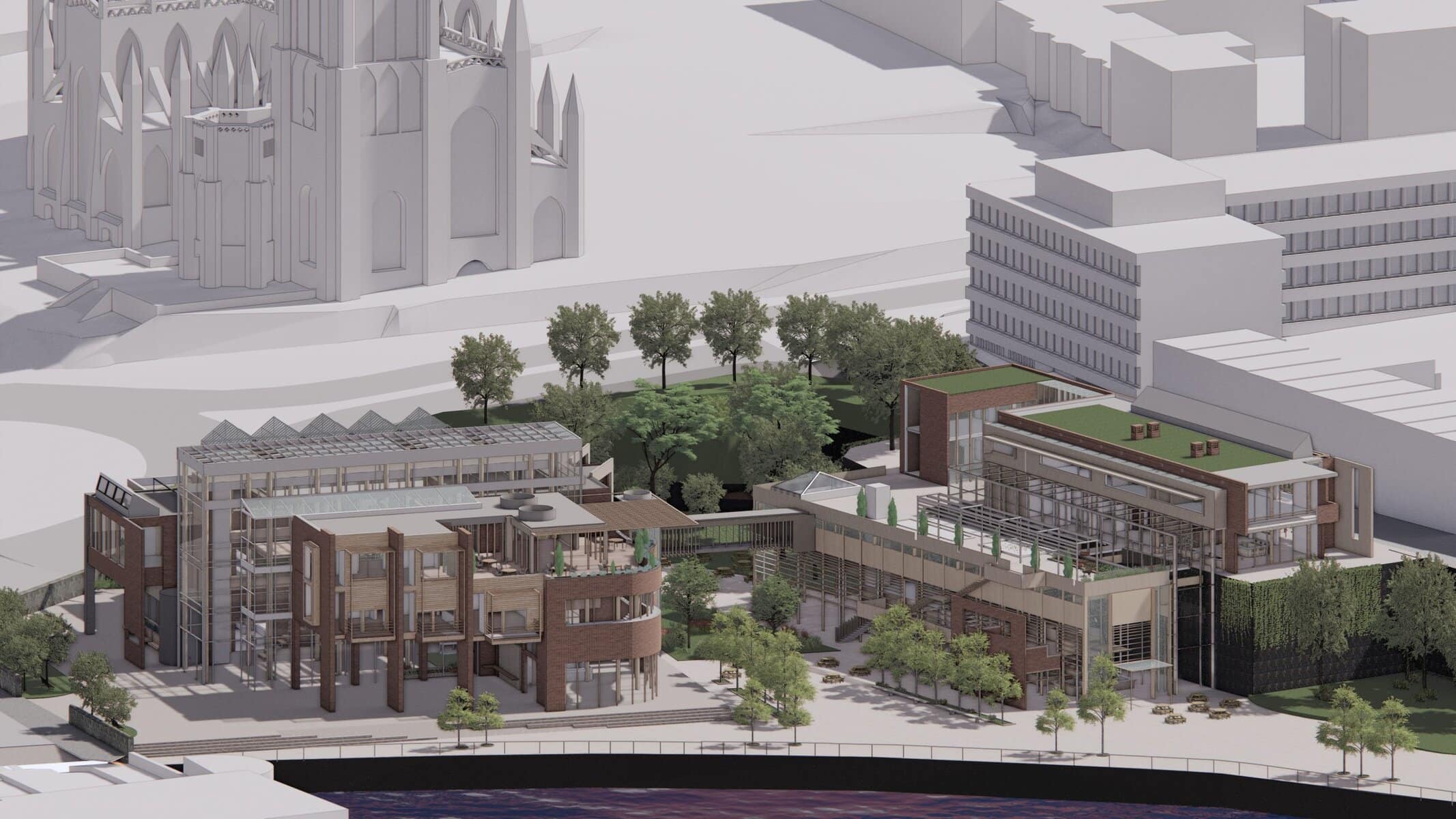
Kimberly’s MArch design thesis, Forgeworks, proposes a new workplace for fabrication, semiconductor processes and satellite integration in Cardiff. The project questions how highly controlled technical environments, often hidden inside industrial 'black boxes', can become more visible, humane and environmentally accountable through architecture.

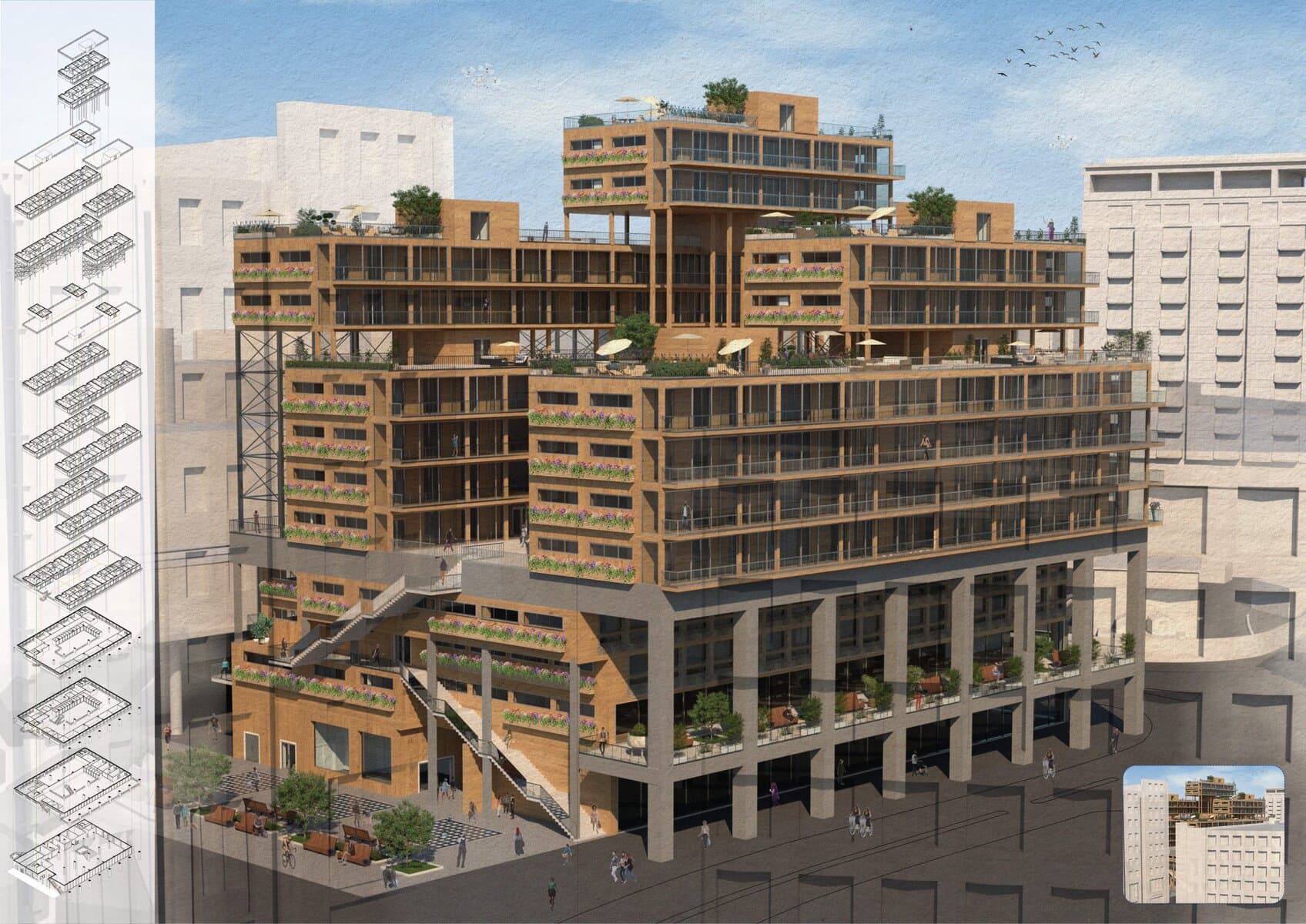
The project is structured around the relationship between Knowledge, Care and Consequence. Knowledge is explored through the cleanroom, fabrication spaces and satellite integration areas, where precision, contamination control, aerospace assembly and technical servicing shape the architecture. Care is developed through the office and workplace environments, focusing on recovery, collaboration, training, oversight and the everyday experience of workers. Consequence is embedded through the project’s treatment of waste, servicing, environmental burden and public responsibility.

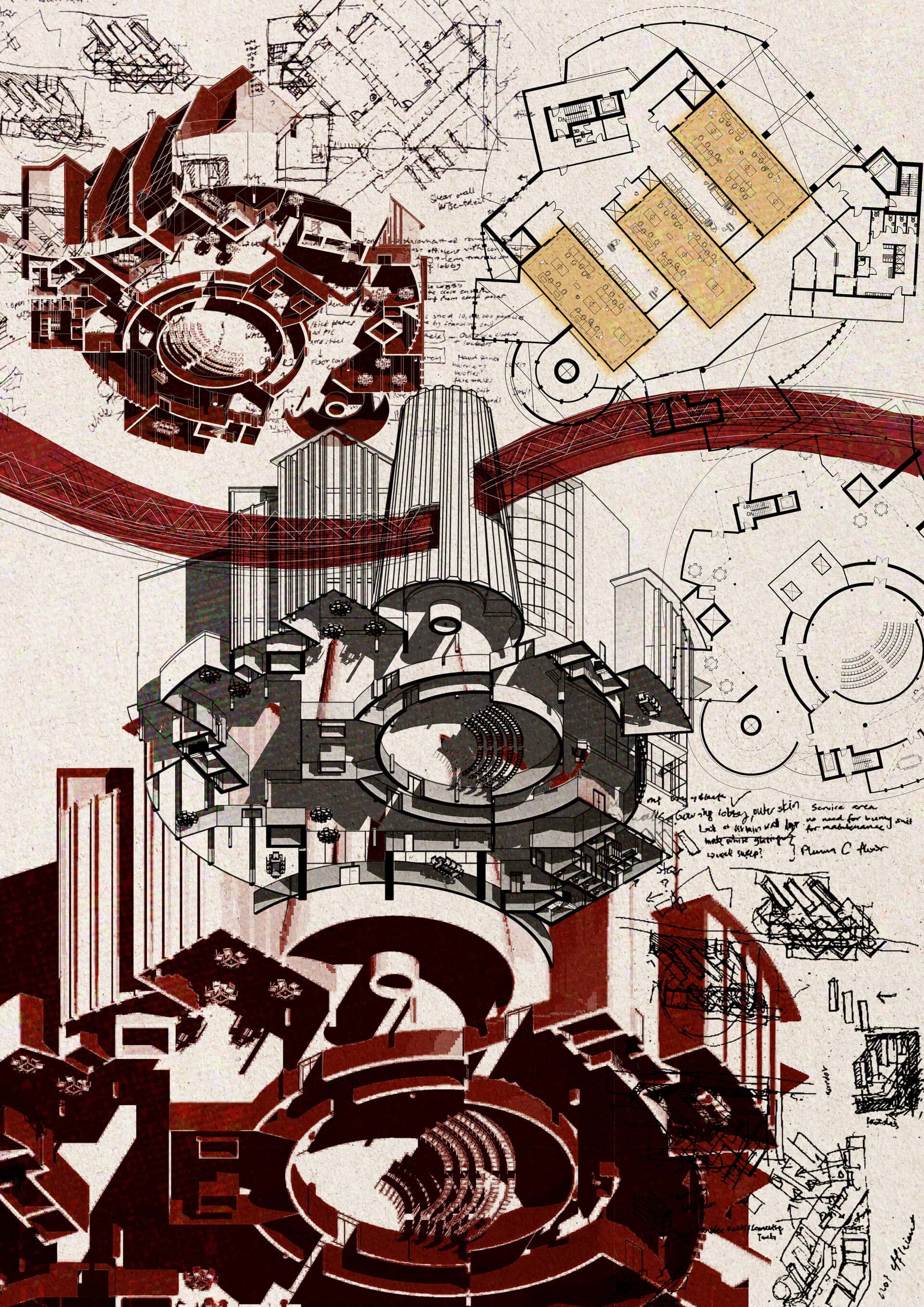
Forgeworks was developed through Kimberly’s own design method of 'tridimensionalism', a process of layering symbolic, functional and urban grids to organise complex spatial relationships. This method allowed the project to connect the controlled logic of semiconductor production and aerospace manufacturing with wider civic, environmental and human concerns. Across the campus, cleanrooms, offices, laboratories, satellite spaces, public routes, landscape buffers and recovery areas are treated not as separate parts, but as overlapping systems within one architectural framework.

Development

From brief to outcome.

Development view 2

Development 1

The project is structured around the relationship between Knowledge, Care and Consequence. Knowledge is explored through the cleanroom, fabrication spaces and satellite integration areas, where precision, contamination control, aerospace assembly and technical servicing shape the architecture. Care is developed through the office and workplace environments, focusing on recovery, collaboration, training, oversight and the everyday experience of workers. Consequence is embedded through the project’s treatment of waste, servicing, environmental burden and public responsibility.

Development view 3

Development 2

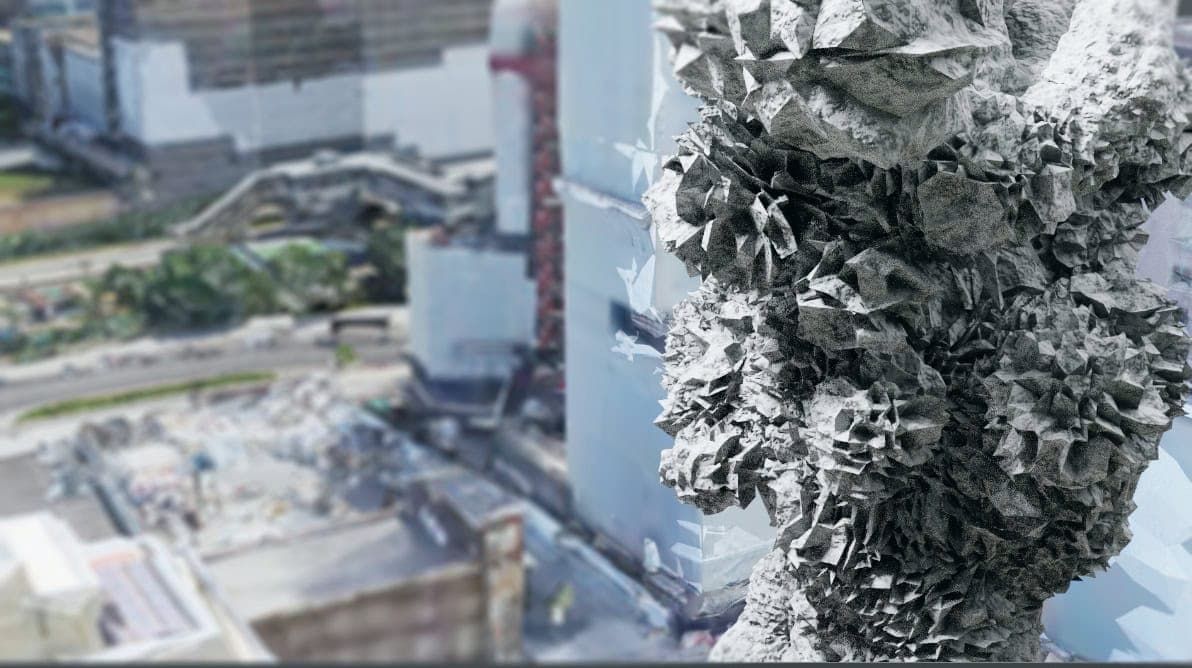
Forgeworks was developed through Kimberly’s own design method of 'tridimensionalism', a process of layering symbolic, functional and urban grids to organise complex spatial relationships. This method allowed the project to connect the controlled logic of semiconductor production and aerospace manufacturing with wider civic, environmental and human concerns. Across the campus, cleanrooms, offices, laboratories, satellite spaces, public routes, landscape buffers and recovery areas are treated not as separate parts, but as overlapping systems within one architectural framework.
Development 3

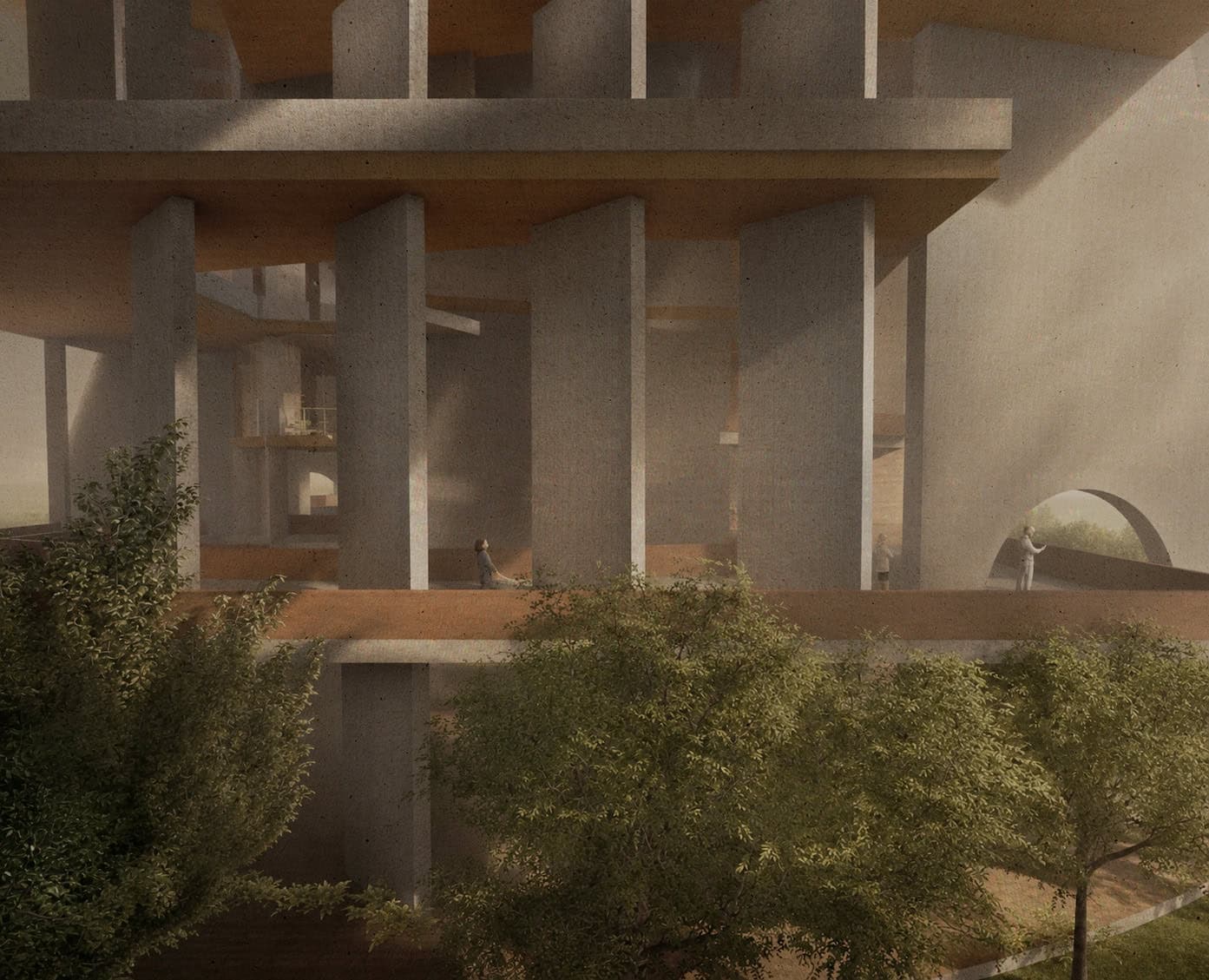
The thesis ultimately reimagines the advanced workplace as something more than a sealed technical facility. It brings together cleanroom interiors, satellite assembly, heavy servicing, protective landscapes and carefully staged public routes to create a workplace that is both technically controlled and publicly legible. It becomes a speculative but grounded architectural proposition, where specialised knowledge is protected without being disconnected from the people, materials and urban context that sustain it.

Outcome

The final proposal.

The thesis ultimately reimagines the advanced workplace as something more than a sealed technical facility. It brings together cleanroom interiors, satellite assembly, heavy servicing, protective landscapes and carefully staged public routes to create a workplace that is both technically controlled and publicly legible. It becomes a speculative but grounded architectural proposition, where specialised knowledge is protected without being disconnected from the people, materials and urban context that sustain it.

Credits

Submitted by
Kimberly Yong
Designer study history
Cardiff University

The author

Kimberly Yong

View author

Keep exploring

More work to explore.