Projects / Student work

Growing Together: Living Architecture Through Grafted Ecosystems

1 / 5

Growing Together: Living Architecture Through Grafted Ecosystems is Divya Vura’s Master’s thesis, exploring an alternative construction method where architecture is not built, but grown. Set in Faversham, Kent, the project challenges conventional orchard farming and land-use boundaries by proposing a regenerative, com…

Project context
Conceptual

The brief

The question behind the work.

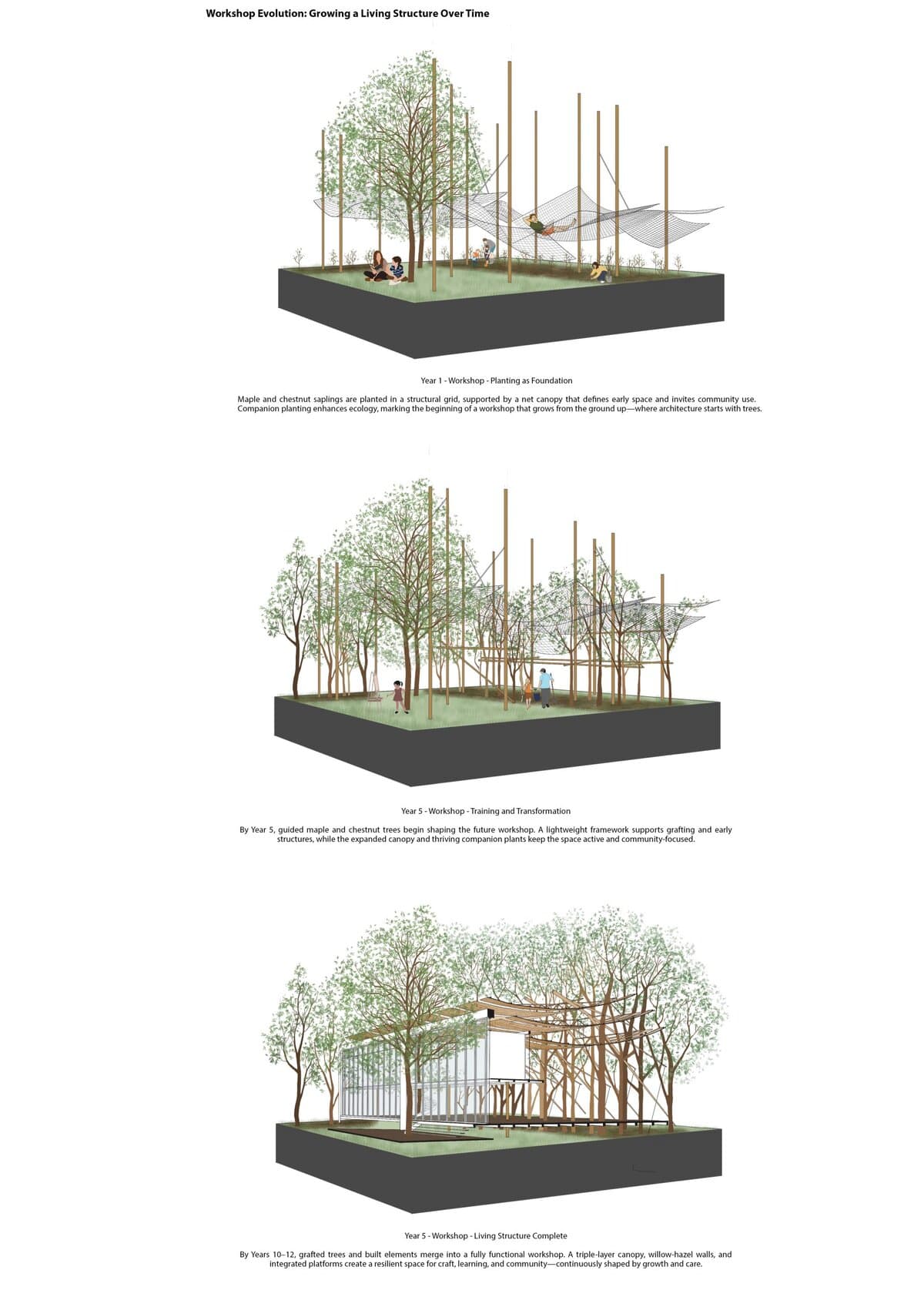
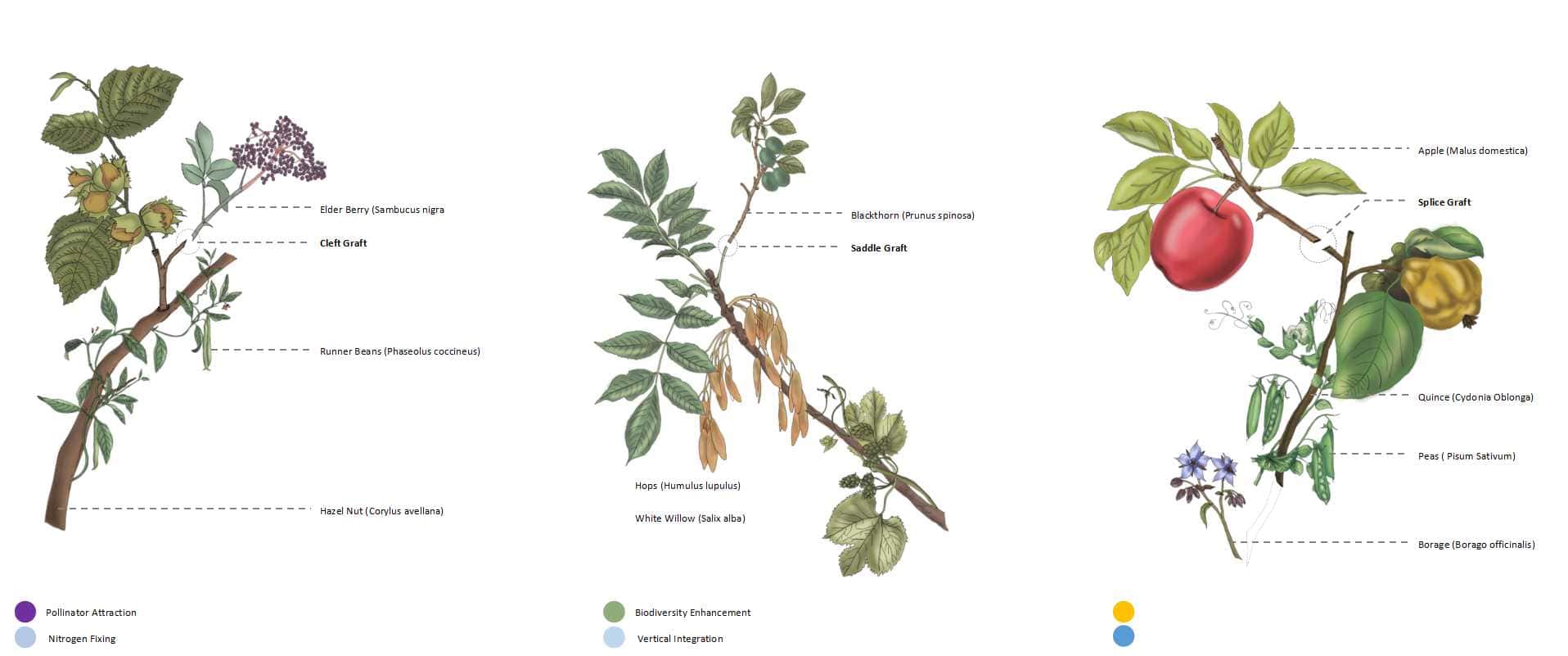
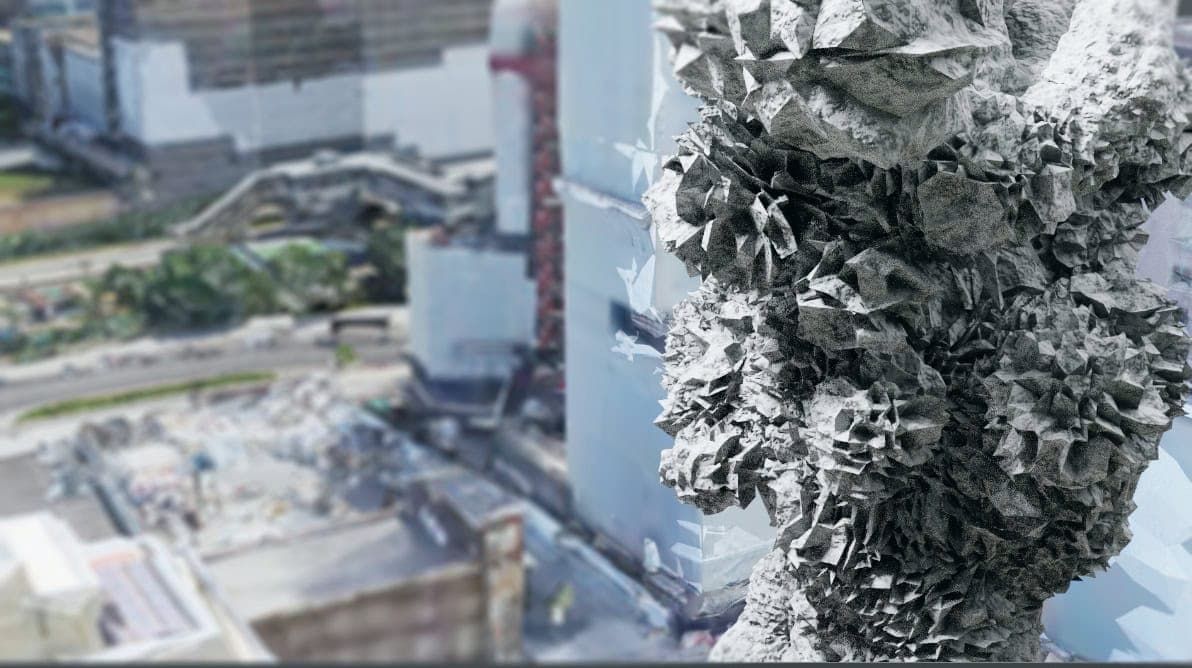
Growing Together: Living Architecture Through Grafted Ecosystems is Divya Vura’s Master’s thesis, exploring an alternative construction method where architecture is not built, but grown. Set in Faversham, Kent, the project challenges conventional orchard farming and land-use boundaries by proposing a regenerative, community-driven landscape where trees are the primary structural and spatial fabric. Through advanced grafting techniques, seasonal planting strategies, and ecological stewardship, the design envisions architecture that evolves over years, shaped by both human care and natural growth cycles.

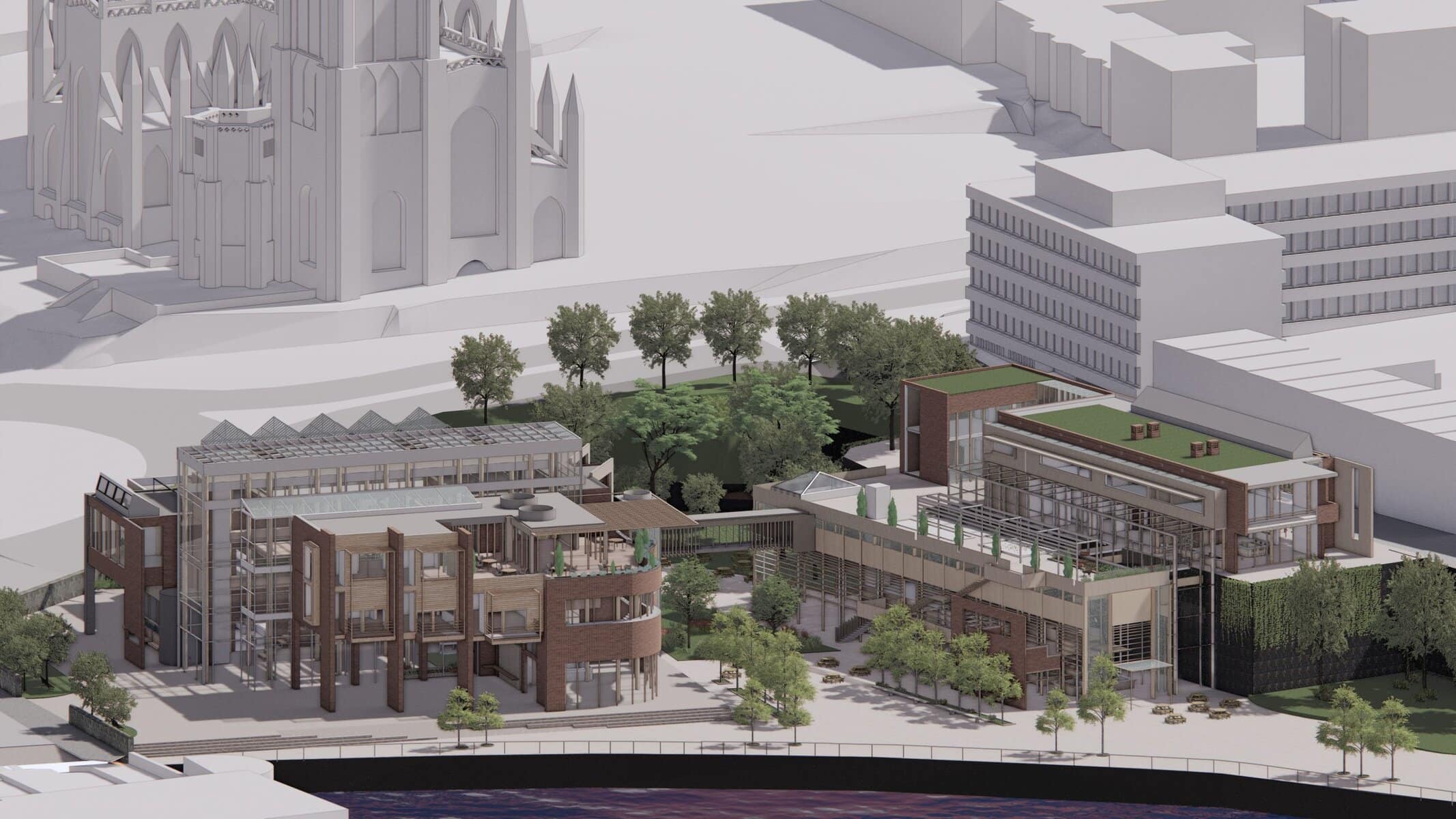
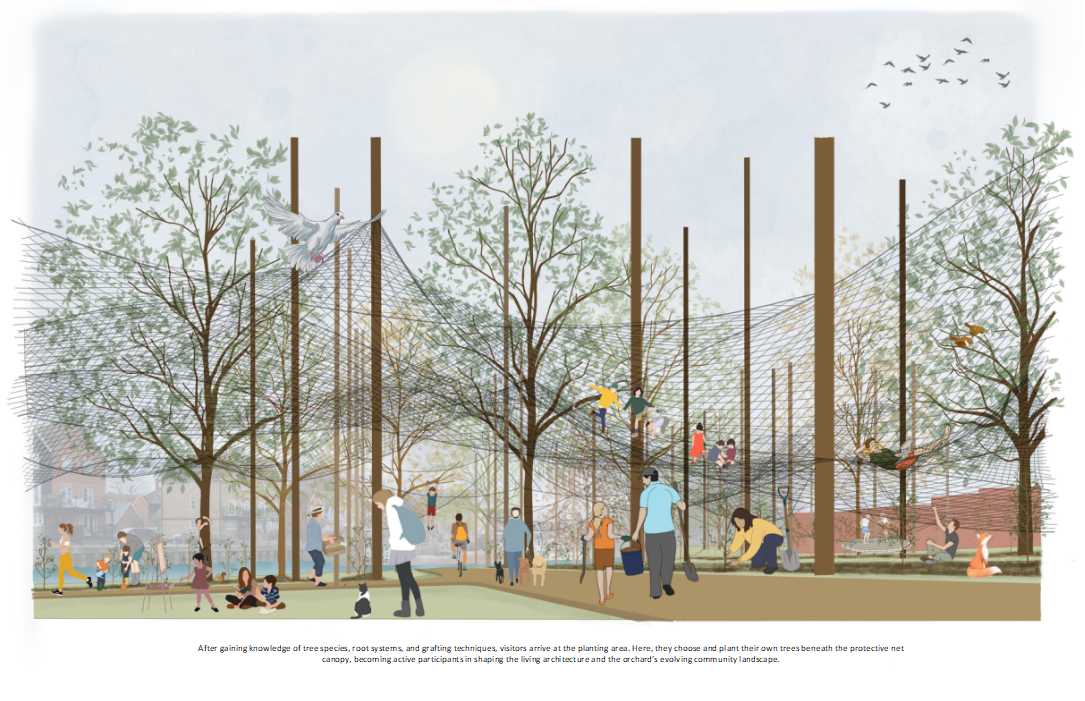
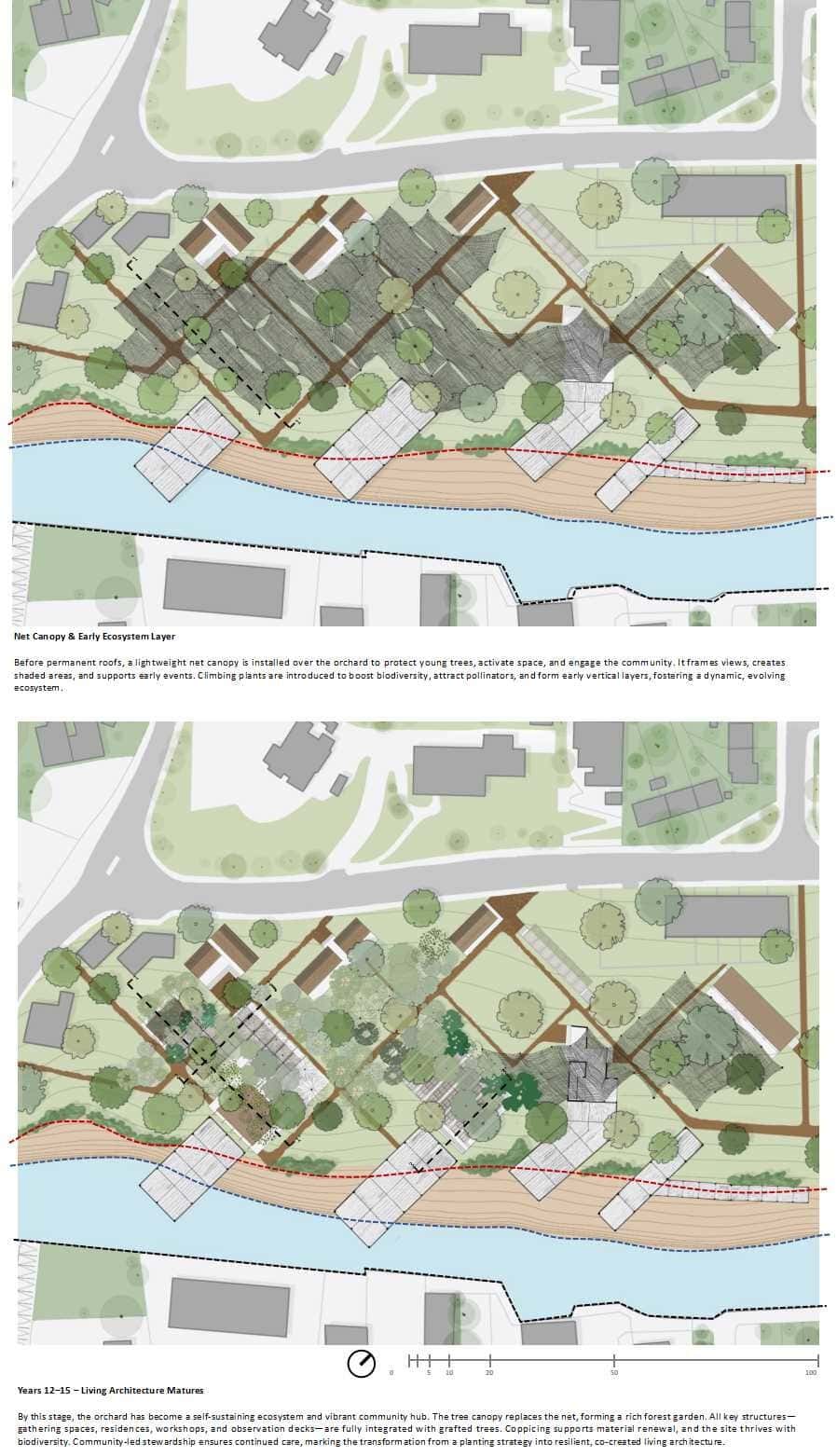
The phased 7-acre masterplan introduces a living orchard that supports biodiversity, attracts pollinators, and produces seasonal yields, while simultaneously forming the framework for communal gathering spaces, workshops, and elevated structures integrated within the tree canopy. Each phase balances ecological restoration with social activation, creating a public space where humans, wildlife, and plant life co-exist.

Drawing on precedents such as Baubotanik buildings and India’s living root bridges, Divya’s proposal integrates low-impact construction, coppicing cycles, and community participation to create a self-sustaining environment. The result is a new model of architecture - one that is adaptive, inclusive, and inherently tied to its ecosystem, redefining how we design for long-term environmental and social resilience.

Development

From brief to outcome.

Development view 2

Development 1

The phased 7-acre masterplan introduces a living orchard that supports biodiversity, attracts pollinators, and produces seasonal yields, while simultaneously forming the framework for communal gathering spaces, workshops, and elevated structures integrated within the tree canopy. Each phase balances ecological restoration with social activation, creating a public space where humans, wildlife, and plant life co-exist.

Development view 3

Development 2

Drawing on precedents such as Baubotanik buildings and India’s living root bridges, Divya’s proposal integrates low-impact construction, coppicing cycles, and community participation to create a self-sustaining environment. The result is a new model of architecture - one that is adaptive, inclusive, and inherently tied to its ecosystem, redefining how we design for long-term environmental and social resilience.
Development view 4
Development view 5

Credits

Submitted by
Divya Vura
Designer study history
Oxford Brookes University

The author

Divya Vura

View author

Keep exploring

More work to explore.