The brief
The question behind the work.
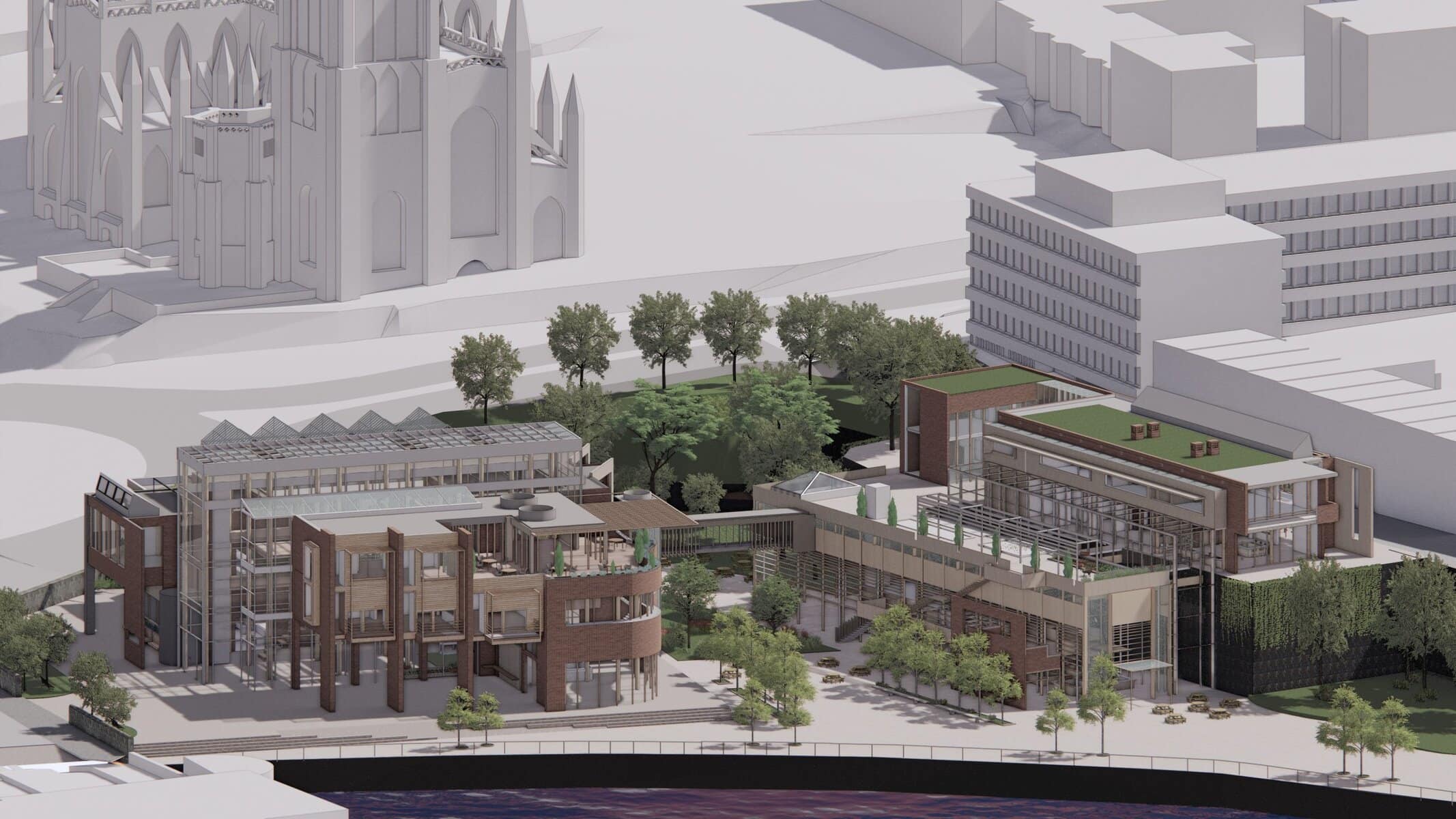
Here is Devaansh’s final design thesis, “Reviving the spirit of Soho”, a spatial critique of gentrification in Soho, London. The project began with an investigation into the cultural erasure and spatial control brought about by speculative development, where creative communities are displaced in favour of sterile commercial architecture. Through layered mapping of Soho’s past and present cultural hotspots, LGBTQ+ venues, population density, and the rise of branded facades the project identified moments of tension where the city’s historic identity is being overwritten.
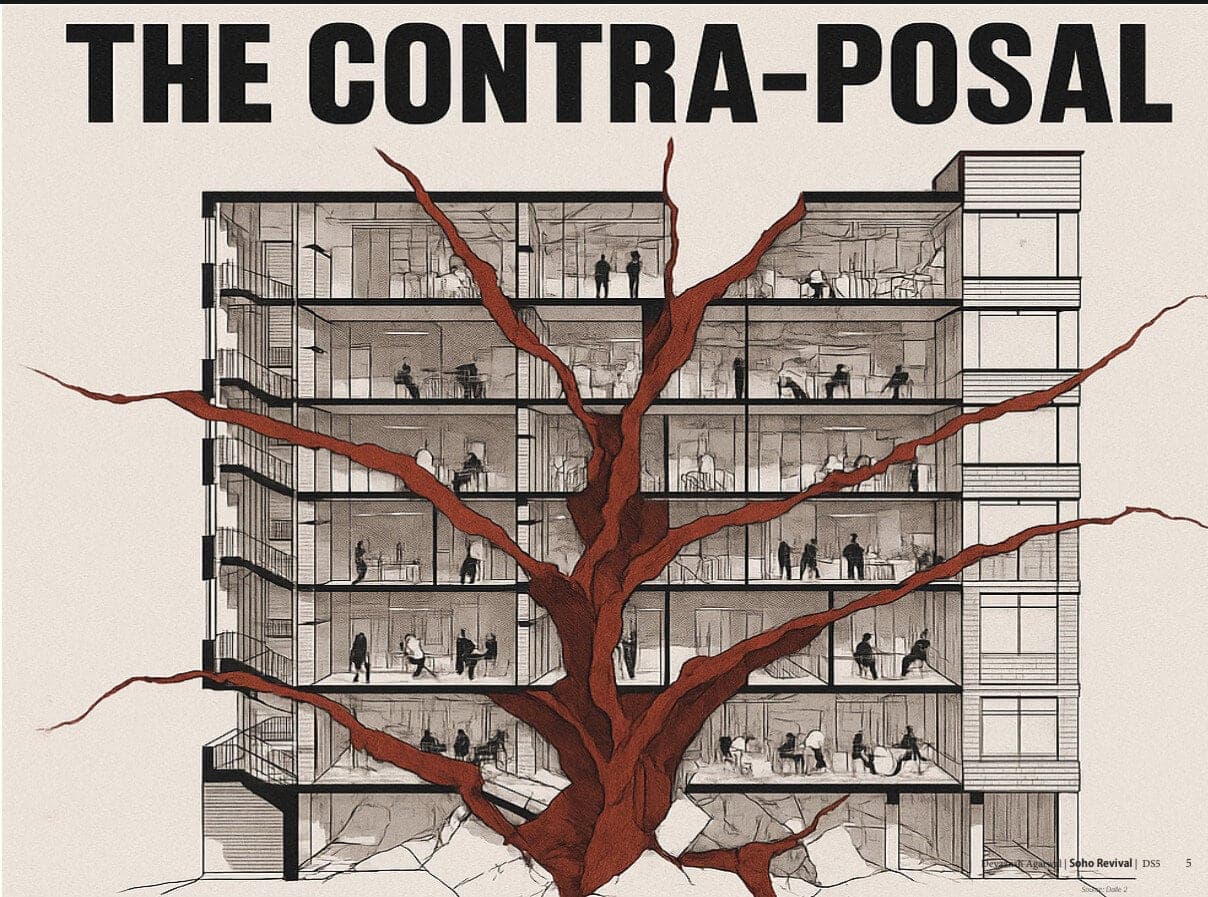
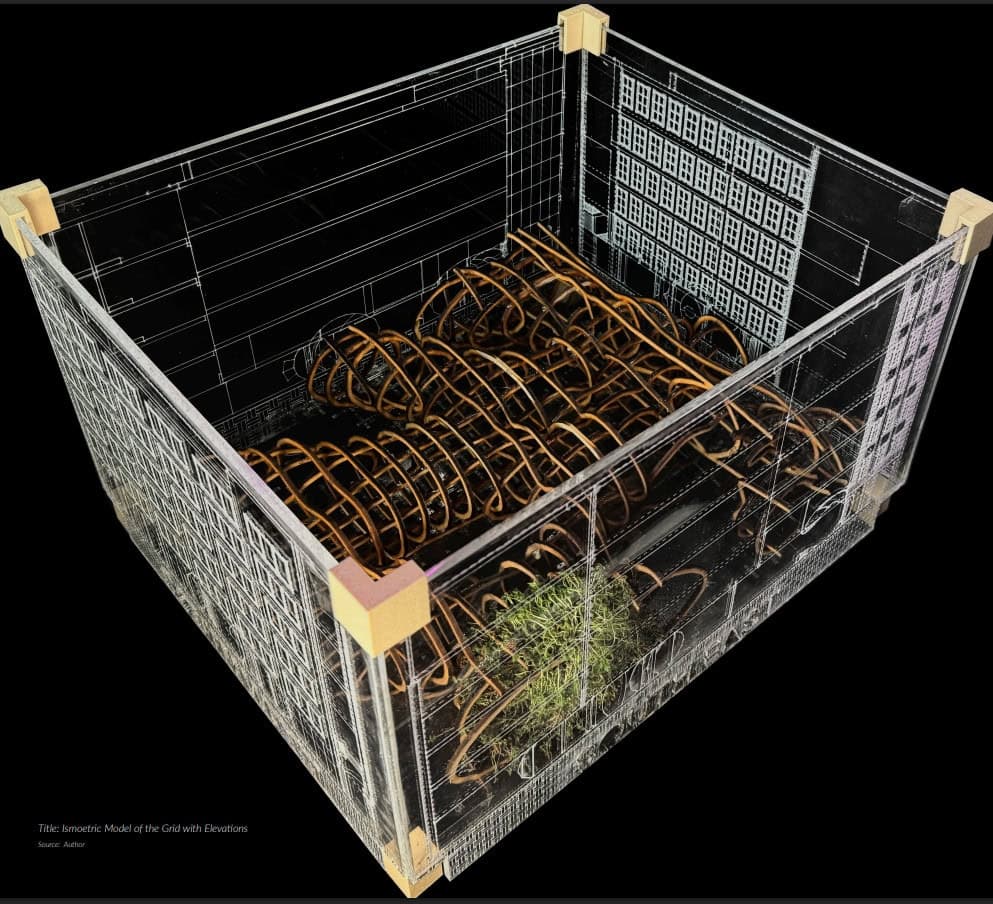
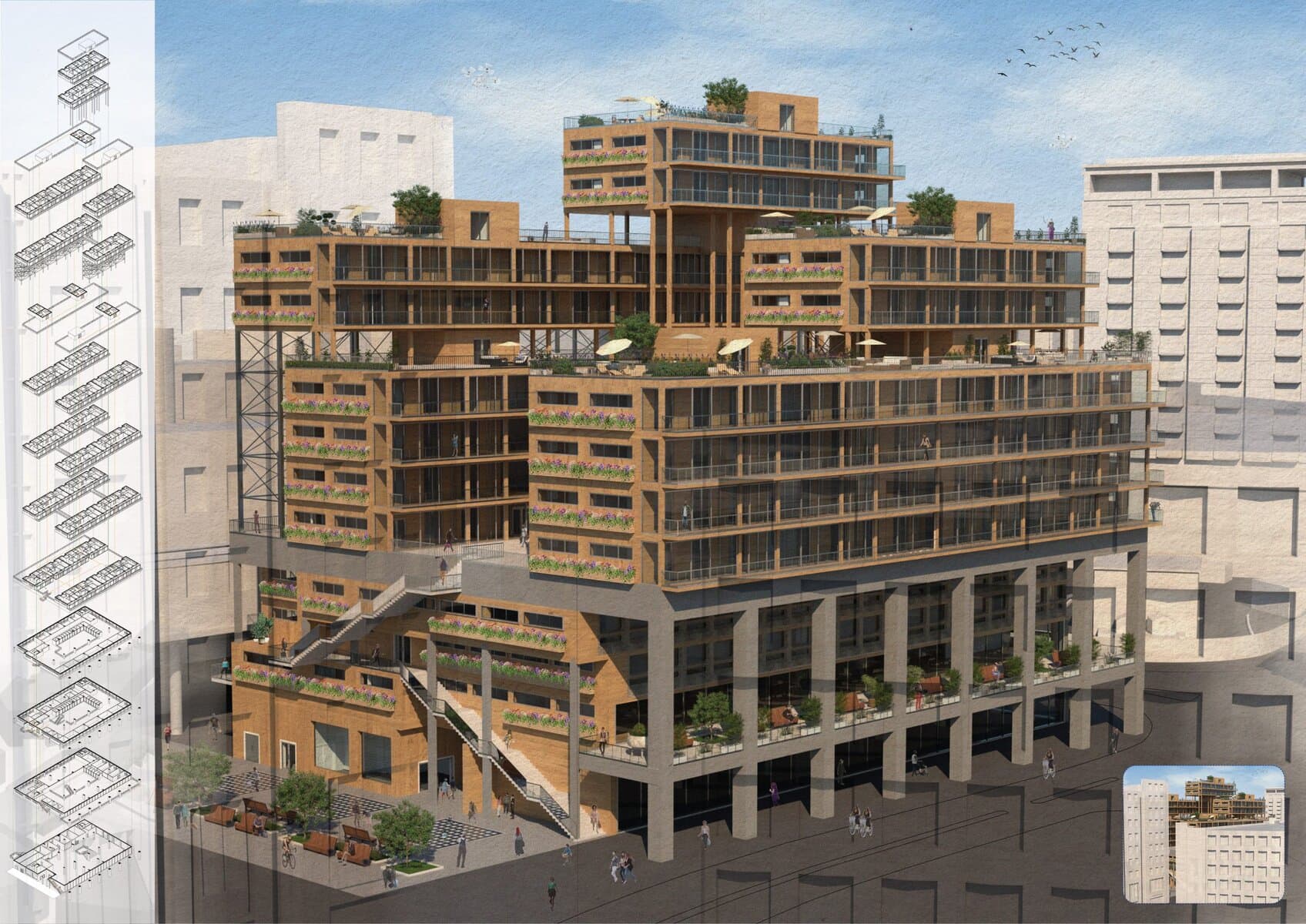
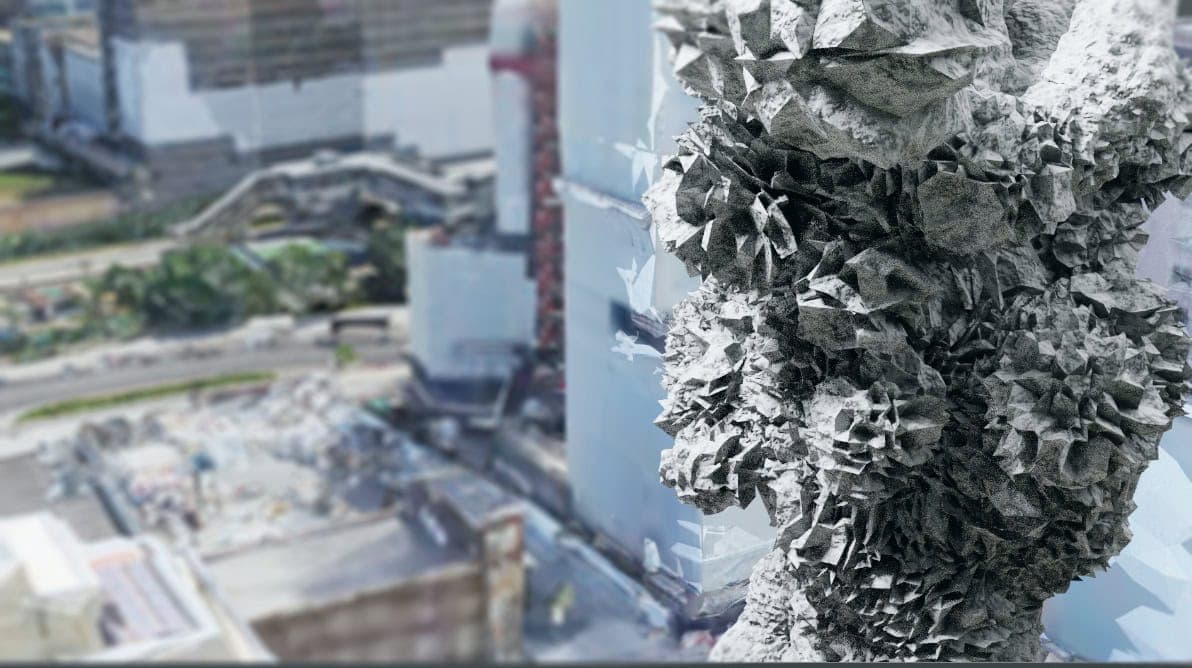
At the heart of the proposal is a metaphorical and physical cut an architectural intervention that slices through gentrified buildings, exposing their hollow corporate logic. Into this rupture grows a chaotic, timber grid structure: a material counterpoint to glass curtain walls and smooth developer control. This structure is deliberately open-ended and unpredictable, allowing for temporary use by artists, protestors, performers, and residents. Rather than resolve into a fixed function, it adapts over time, resisting the permanence of commercial real estate.
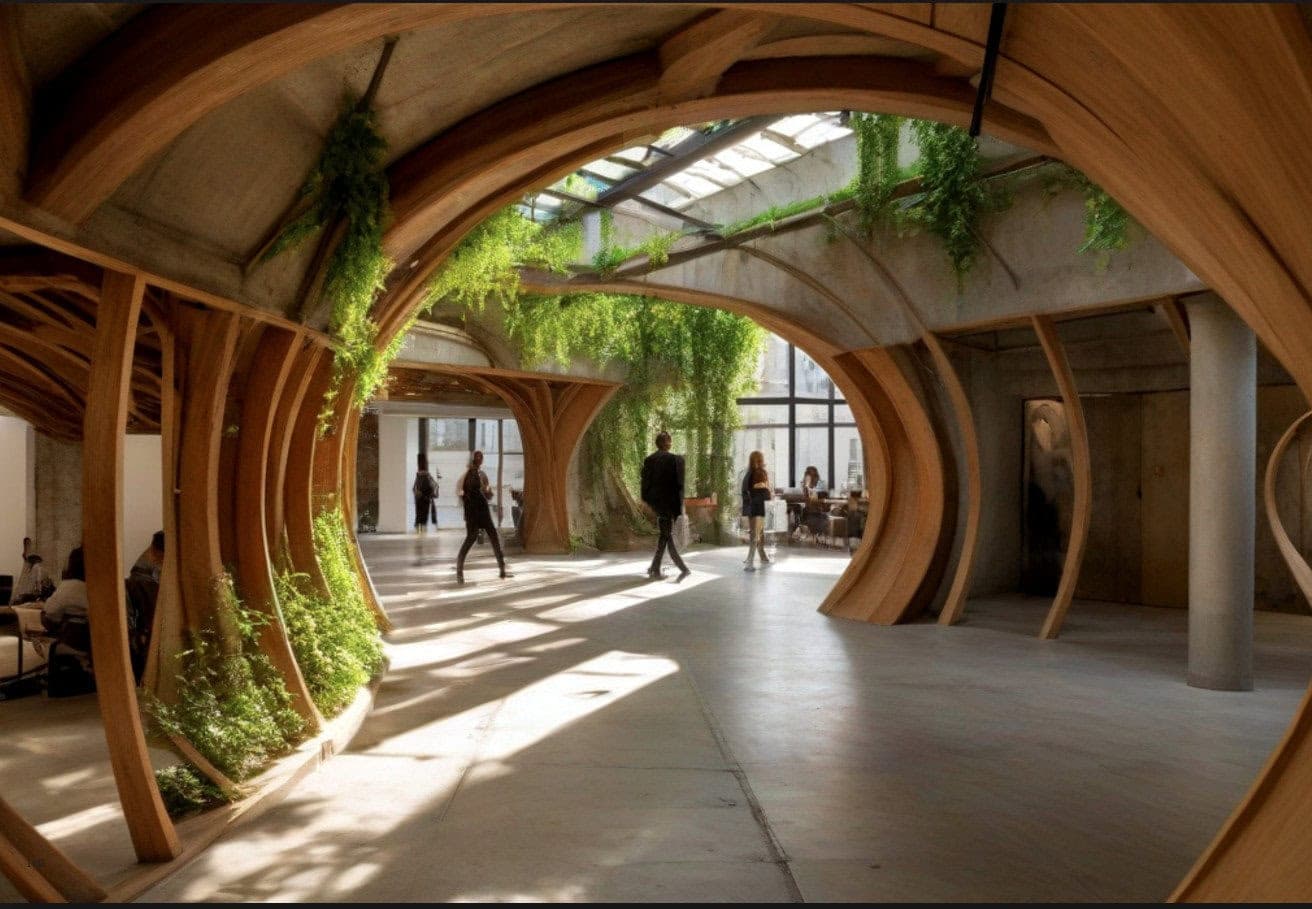
Inspired by Gordon Matta-Clark, chaos theory, and activist spatial practices, the project proposes a phased narrative across time Year 5, Year 30, and Year 100 speculating on how resistance might decay, adapt, or be co-opted. In one future, the structure is overgrown, integrated into daily life as a hybrid social space. In another, it is erased and replaced by a new wave of digital surveillance. Devaansh uses architectural drawing, physical modelling, and speculative fiction to frame the proposal not as a solution, but as a contra-posal a provocation that asks who controls space, and how architecture can resist being silenced.