Projects / Student work

The Rathlin Test Kitchen

1 / 4

The test kitchen project was born in QUB's vertical studio Staging Symbiosis, led by Dr Nuala Flood and Dr Sean Cullen. The university runs 'vertical studios' in which second and third year undergraduate students are integrated in a number of studios.

Project context
Conceptual

The brief

The question behind the work.

Staging Symbiosis was and is building on research work on Rathlin Island, off the coast of Northern Ireland. Challenging students to investigate how innovatively and widely seaweed could be incorporated in design work the studio encourages a research orientated design process. Students were asked to consider a radical approach to develop a new future for the island.

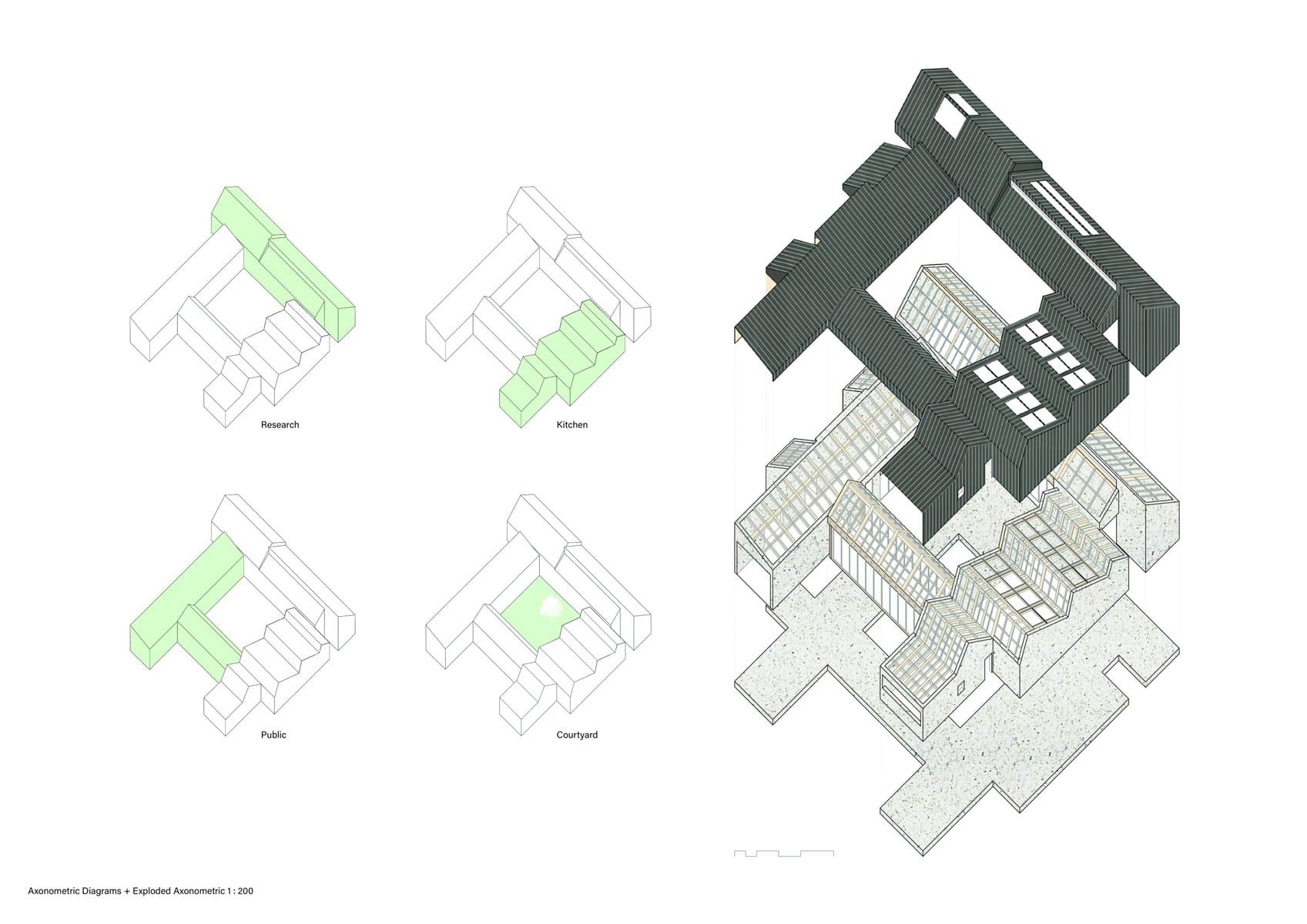
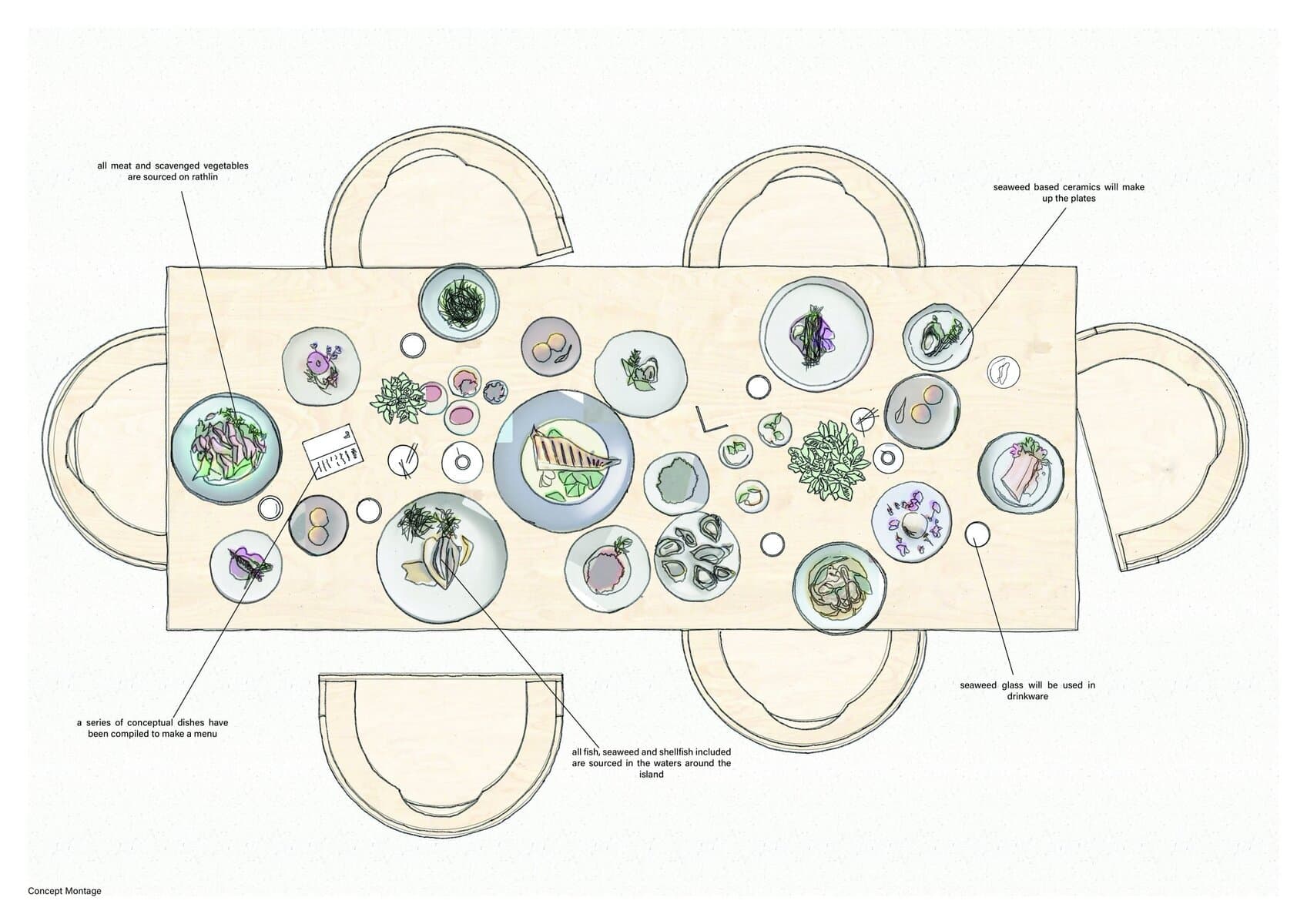
Taking a culinary approach Oileán identified a number of processes in food production across the island and developed a menu to strengthen these industries. Developing the menu through research of the island's flora & fauna and drawing on innovative restaurants from around the world Oileán then designed another series of processes involved in producing the dishes which could be provided in the 'test kitchen'.

Development

From brief to outcome.

Development view 2

Development 1

Staging Symbiosis was and is building on research work on Rathlin Island, off the coast of Northern Ireland. Challenging students to investigate how innovatively and widely seaweed could be incorporated in design work the studio encourages a research orientated design process. Students were asked to consider a radical approach to develop a new future for the island.

Development view 3

Development 2

Taking a culinary approach Oileán identified a number of processes in food production across the island and developed a menu to strengthen these industries. Developing the menu through research of the island's flora & fauna and drawing on innovative restaurants from around the world Oileán then designed another series of processes involved in producing the dishes which could be provided in the 'test kitchen'.
Development view 4

Development 3

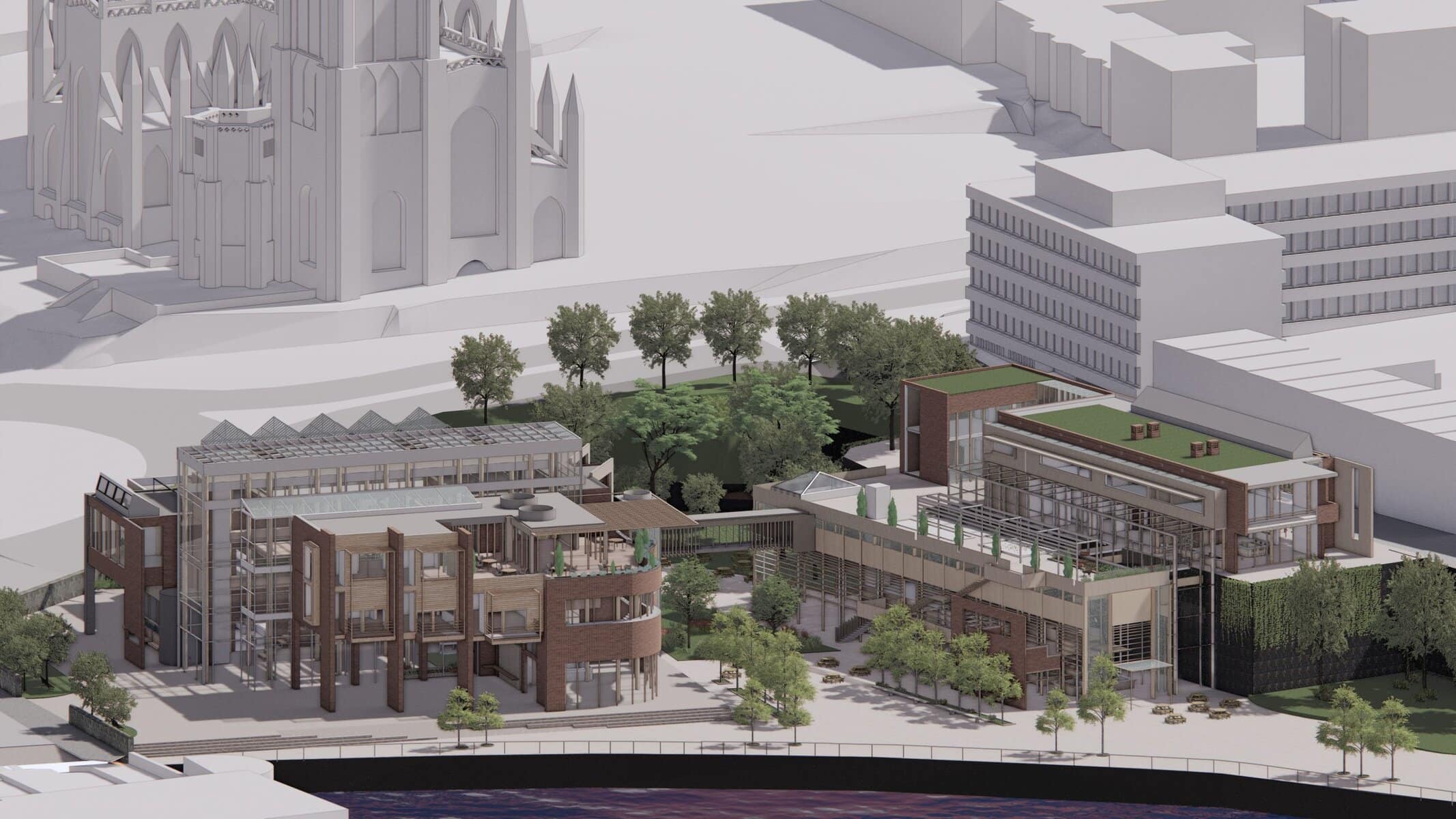
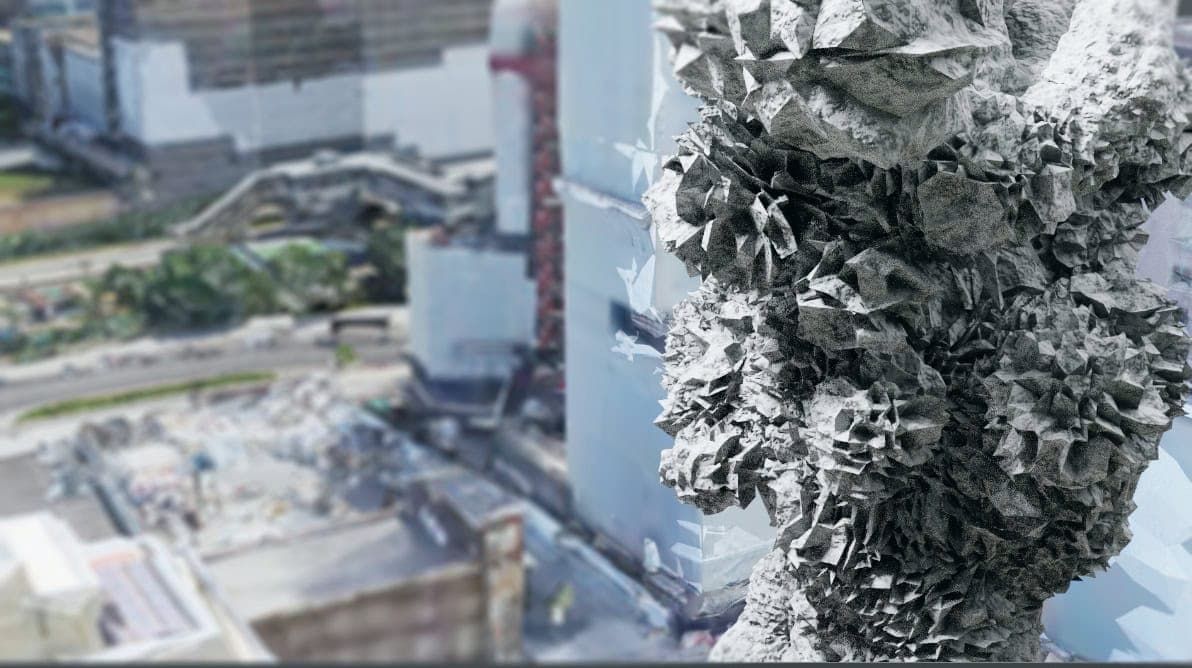
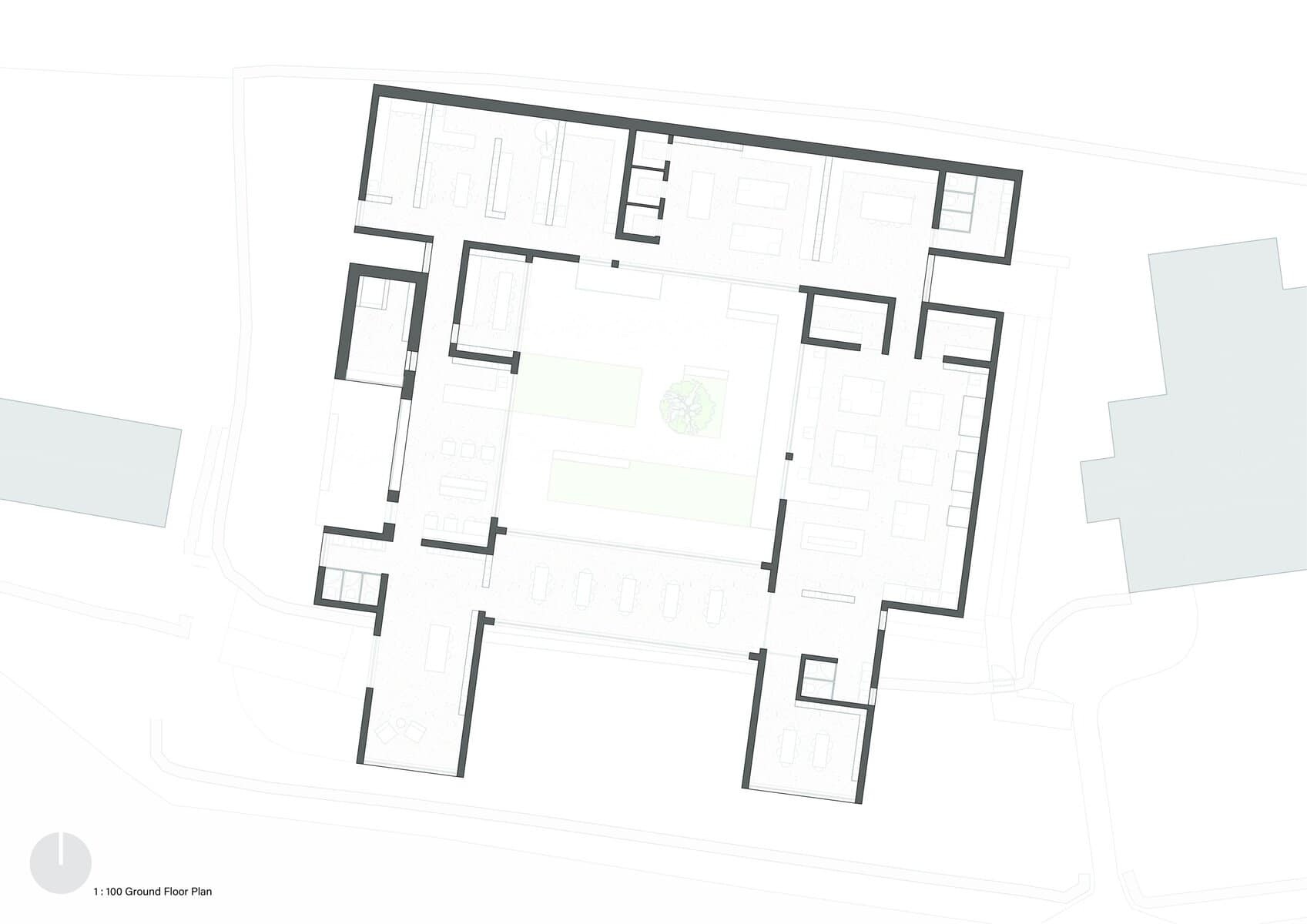
Alongside the conceptual uses of seaweed Oileán proposed a largely kelpcrete structure. Kelpcrete was proposed as a more sustainable, seaweed adaptation of conventional concrete in which kelp powder makes up around 30% of the materials mass dramatically reducing the carbon load of the material.

Outcome

The final proposal.

Alongside the conceptual uses of seaweed Oileán proposed a largely kelpcrete structure. Kelpcrete was proposed as a more sustainable, seaweed adaptation of conventional concrete in which kelp powder makes up around 30% of the materials mass dramatically reducing the carbon load of the material.

Credits

Submitted by
Oileán Galligan
Designer study history
Queen's University Belfast

The author

Oileán Galligan

View author

Keep exploring

More work to explore.