
Weaving Community: Revitalising Nottingham’s Textile Heritage Through Sustainable Design
Reimagining the Lace Market
Hannah Finnigan-Moffat is a recent Architecture graduate from the University of Nottingham. Her final-year project is a bold proposition: to bridge Nottingham’s textile heritage with a sustainable, community-driven future, set in the heart of the Lace Market.
History and Innovation
Hannah’s focus on urban regeneration and sustainable community building drives her project, titled “A New Cycle”—a visionary response to the dual imperatives of heritage preservation and climate action. “I wanted to create something that honours the ingenuity of Nottingham’s lace era, but also asks the question: what does a thriving textile industry look like in the 21st century, for its people and its environment?” Hannah explains.
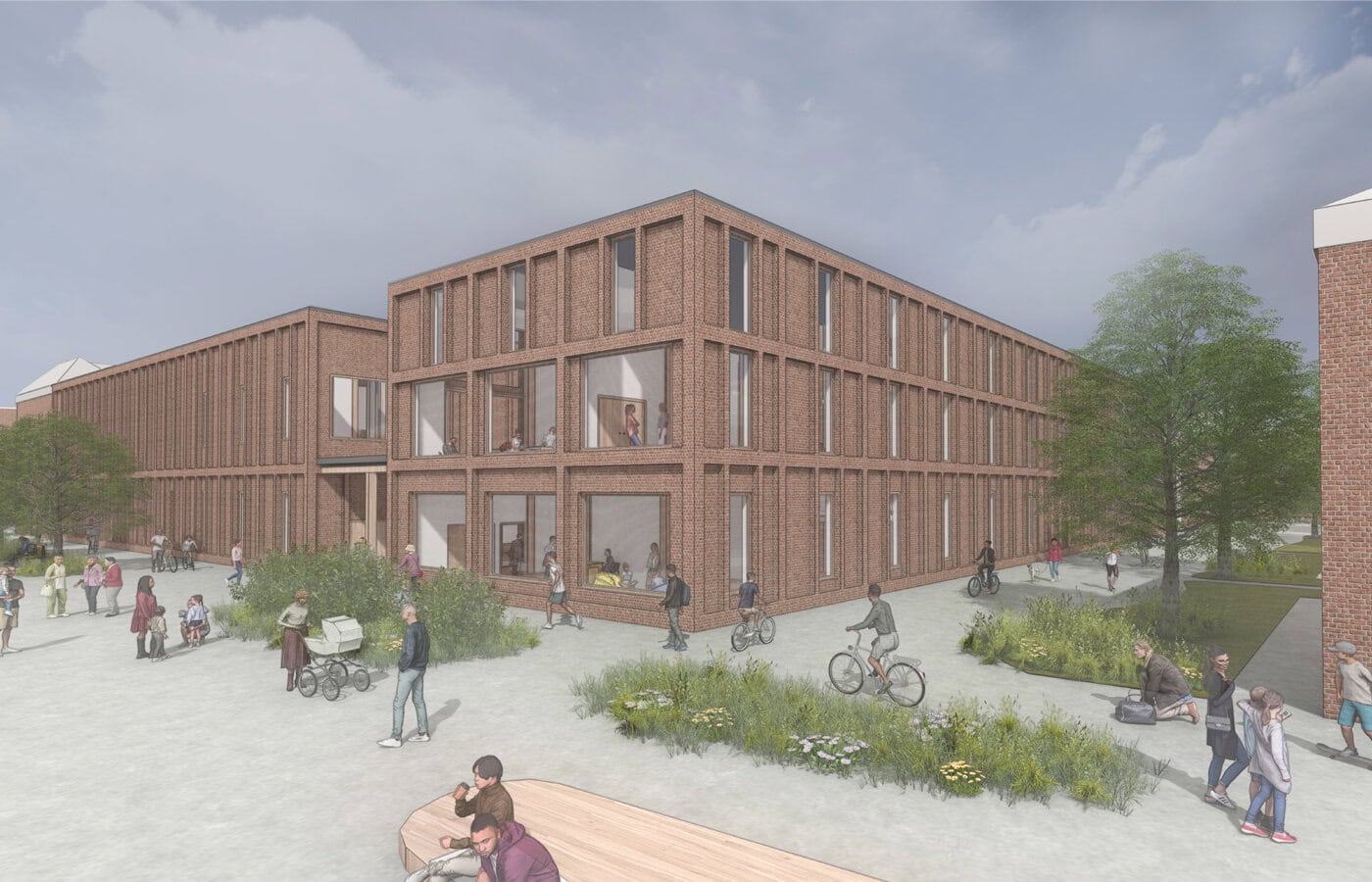
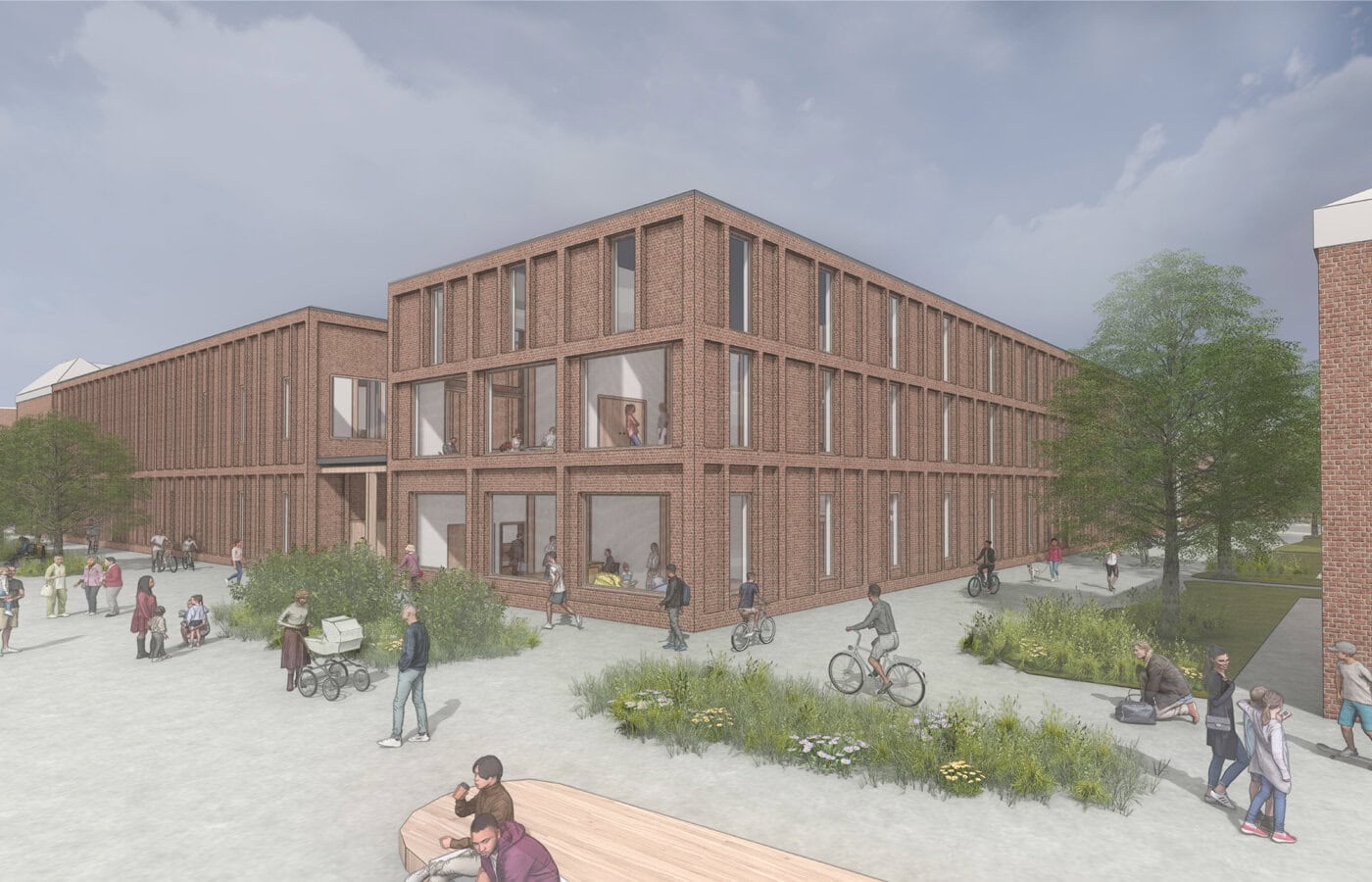
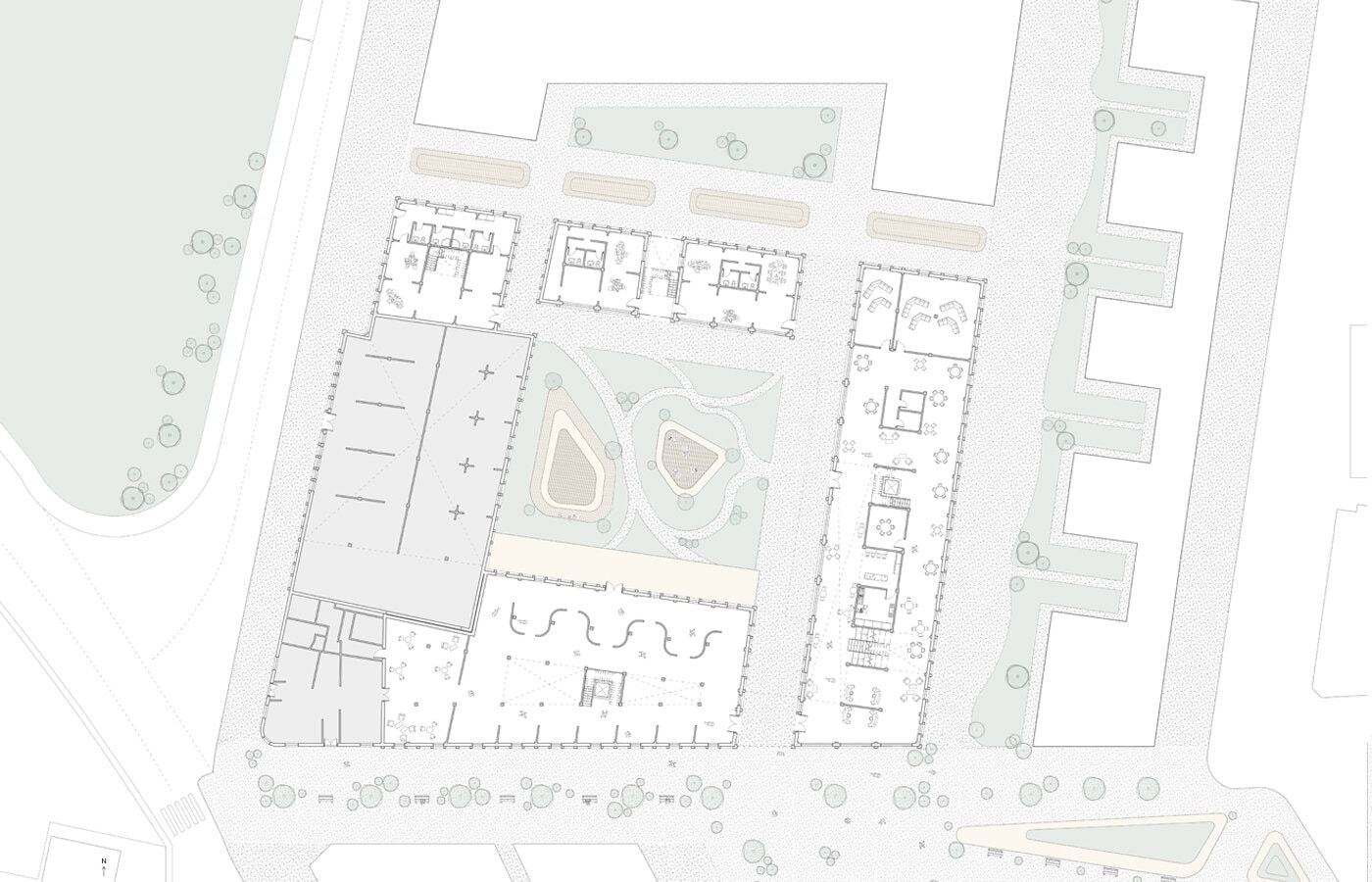
Her scheme proposes a new centre for textile innovation and community engagement in the Lace Market. Instead of treating heritage buildings as untouchable relics, Hannah reimagines them as living resources — 52% of her design is constructed from bricks salvaged directly from existing onsite structures slated for partial demolition, with all additional masonry sourced from local suppliers.
Circularity and Community
The vision is not just for a building but for a multi-generational community — a hub where artisans, entrepreneurs, students and residents can collaborate.
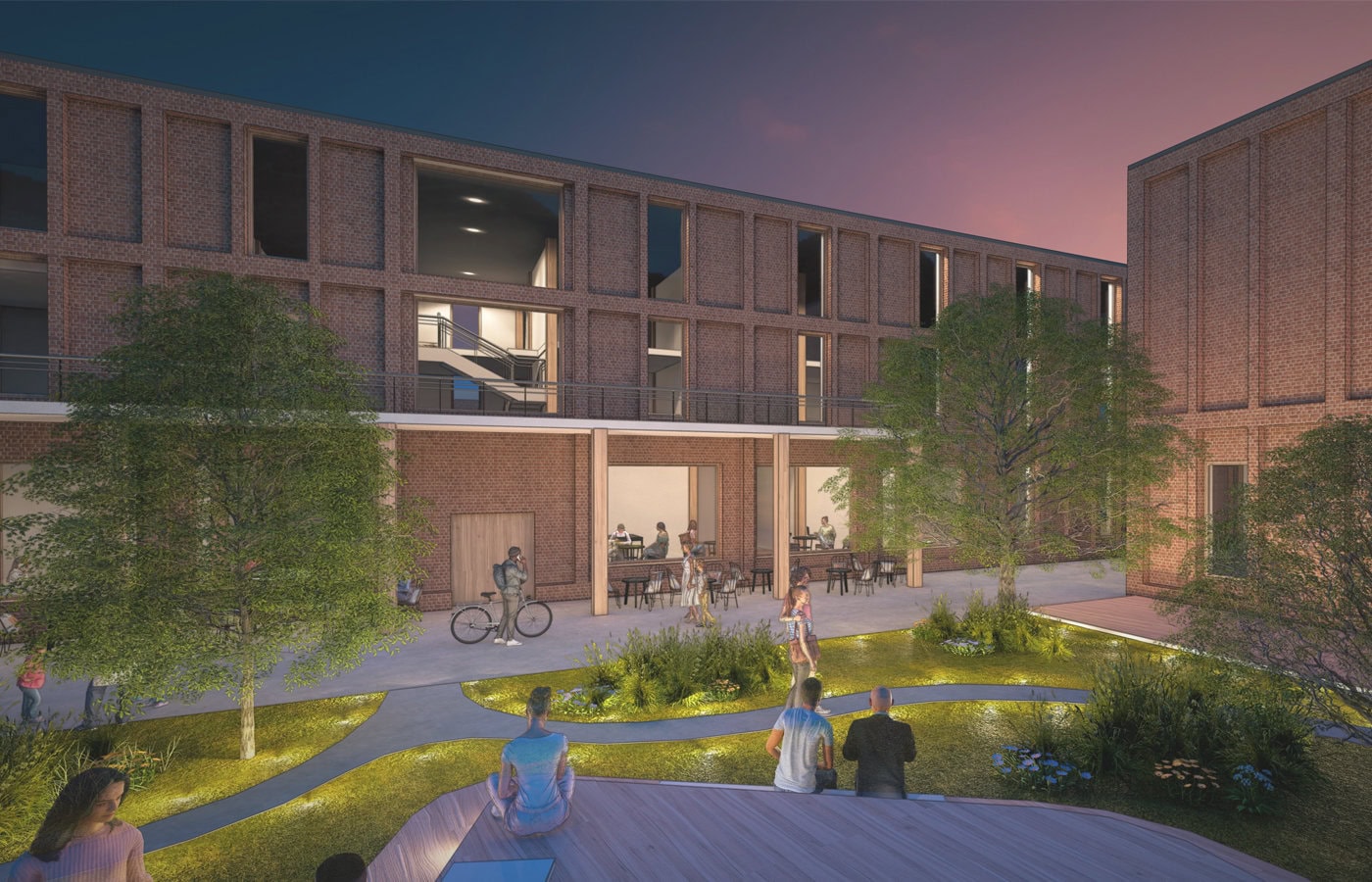
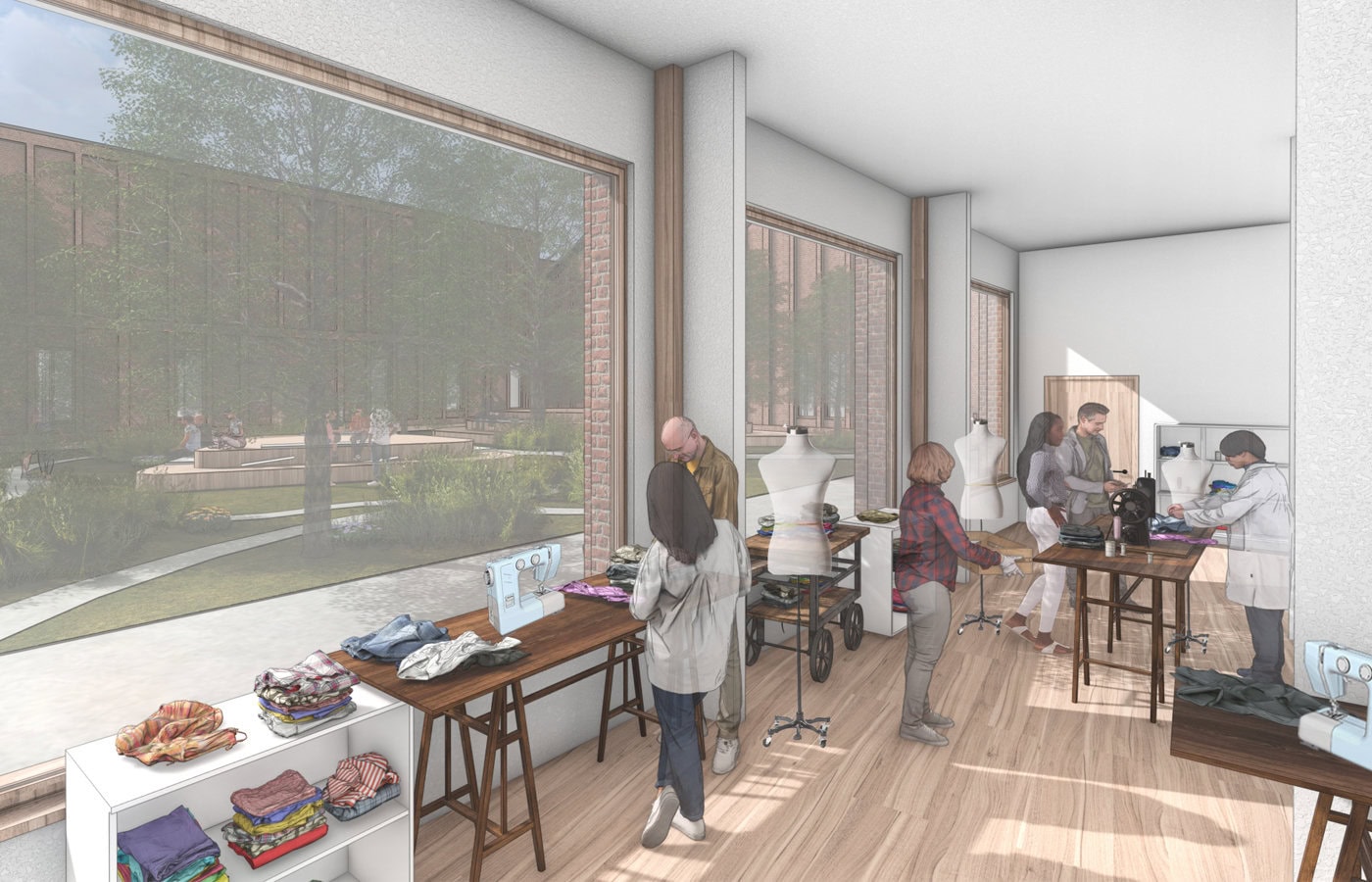
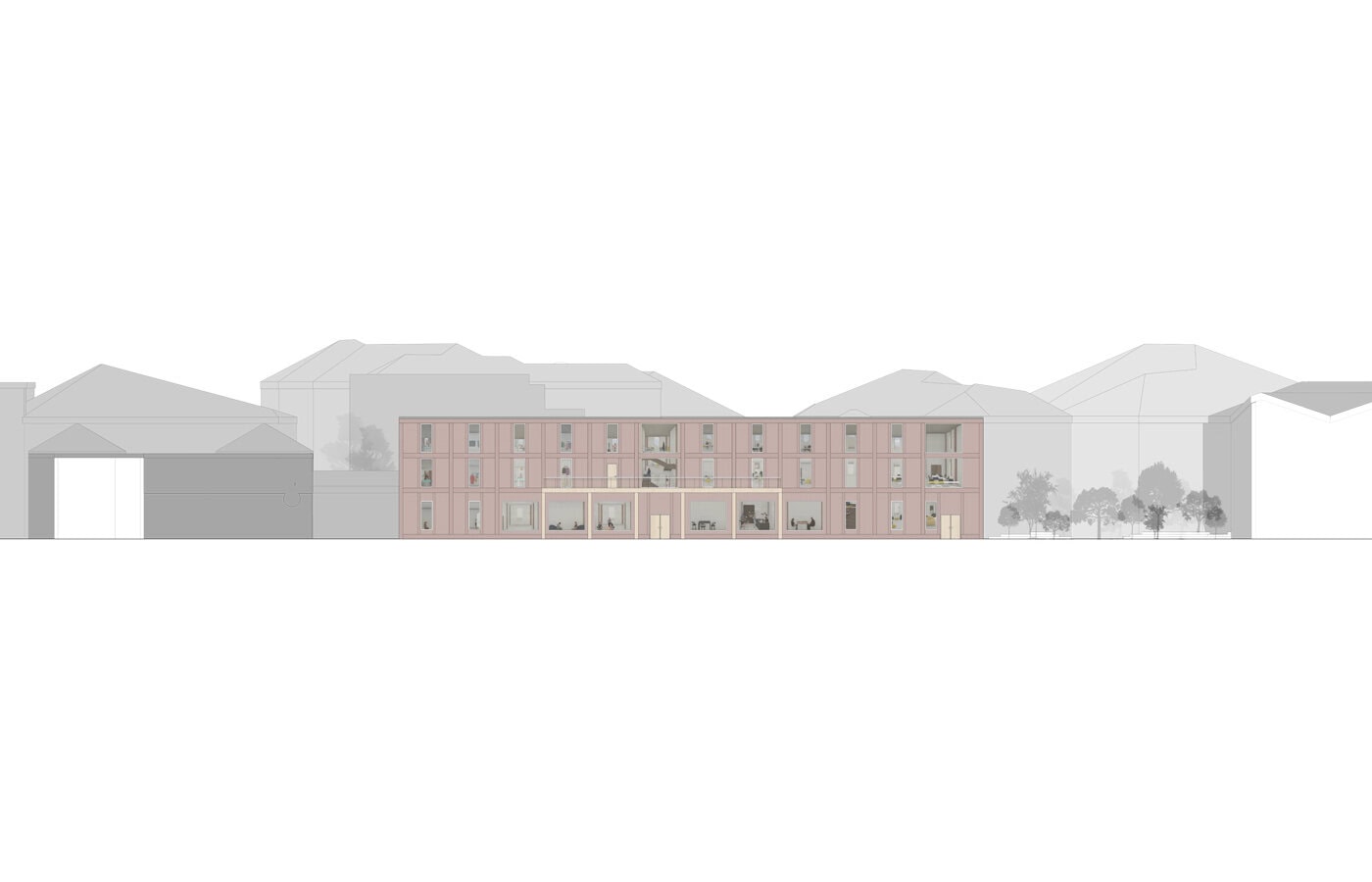
Central to the design are flexible production spaces, repair workshops, and classrooms that overlook airy courtyards. Open-plan studios accommodate textile startups and local businesses, while street-level galleries invite the wider public to experience exhibitions and community events. Preserved brick archways and historical details sit alongside contemporary interventions — timber window frames, green roofs and light-filled atria.
The environmental strategy goes beyond recycled materials. Passive ventilation, rainwater harvesting and solar shading are integrated throughout. By retaining and reusing over half of the existing brickwork, the project dramatically reduces embodied carbon and landfill waste, providing a blueprint for conscious urban regeneration.
Reviving Craft and Reducing Waste
The project fosters skills development and sustainable production: makerspaces are equipped for innovative textile recycling processes, upcycling workshops, and educational events aimed at raising awareness about circular fashion.
Hannah references the city’s past — when canal and railway links made Nottingham a trading powerhouse with thriving workers’ communities around the lace mills. “Our challenge now is to keep that spirit of ingenuity alive, not just through preservation, but by encouraging new forms of collaborative making and learning,” she says.
The reimagined Lace Market becomes a living laboratory for sustainable practice, connecting Nottingham’s residents and creatives with global networks of circular design.
Recognition and the Road Ahead
The project has been recognised by tutors and peers for its clarity of vision and strong social agenda — a standout example of place-based urban regeneration.
Hannah hopes projects like hers can become model interventions in heritage-rich cities everywhere.
Connect with Hannah Finnigan-Moffat
Hannah welcomes connections from fellow designers, local groups and industry professionals. Reach out on LinkedIn or via email at hannahmoffatx@yahoo.com.
This article is part of Architecture Social’s series highlighting the next generation of designers. If you’d like your work featured, get in touch with our editorial team.




Add a comment