

Object Lesson: Grenfell by Zain Al-Sharaf Wahbeh is a Royal College of Art student project about fire safety, housing responsibility and the difficult lessons architecture has to face after public failure.
The project does not treat Grenfell as a visual reference or a dramatic theme. It uses a technical study of cladding, fire spread and housing organisation to ask how mixed-tenure residential design could be approached with more care.
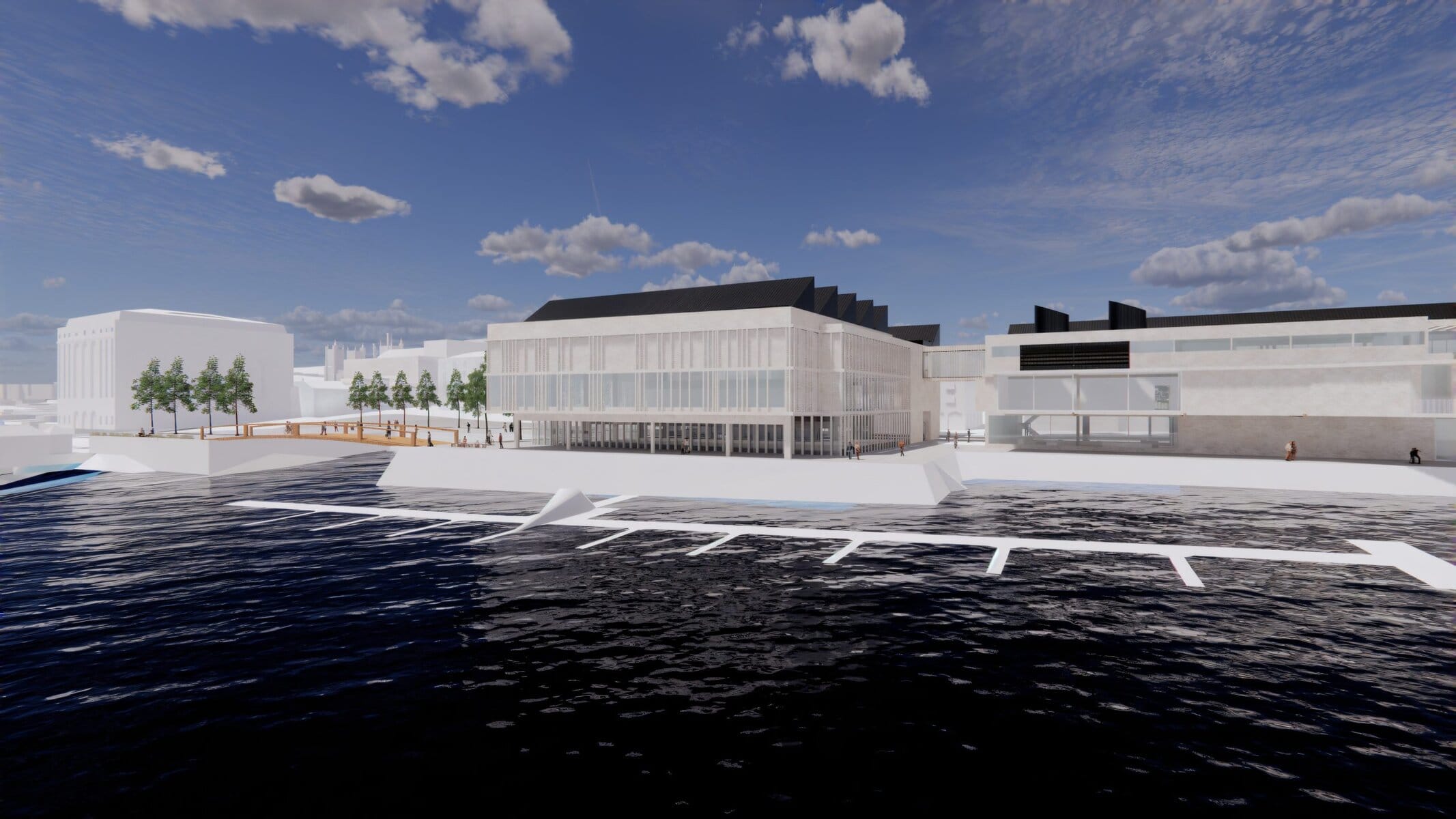
Project overview
Zain was a Part II Architecture student at the Royal College of Art, after graduating from the University of Edinburgh with first class honours. Her academic work also included the Best Undergraduate Dissertation Prize at ESALA and a nomination for the RIBA Dissertation Medal.
Object Lesson: Grenfell proposes a mixed-tenure housing cluster with one and two bedroom apartments and three bedroom duplexes. The design is shaped by an investigation into material specification, facade morphology and the way fire can move across a residential building.
What the project is testing
- How facade design can delay or reduce the spread of flame.
- How mixed-tenure housing can support different household sizes and incomes.
- How technical studies can shape the architecture rather than sit beside it.
- How public welfare, material choice and design responsibility connect.
Why this needs careful language
Grenfell should not be used as a cheap SEO hook. The useful architectural question here is about responsibility: what gets specified, who checks it, how housing is designed, and whether technical risk is made visible early enough.
Showcase a project with public responsibility
Architecture Social can feature student projects that tackle housing, safety, access, environmental risk or public welfare with care and evidence.
- Explain the issue without sensationalising it.
- Show the technical or spatial evidence behind the design.
- Make the project author’s own judgement clear.
- Use images, captions and drawings that help readers understand the responsibility.
Architecture Social view
Stephen’s recruiter view is that safety-led projects need more than a strong concept. They need clear evidence, careful language and drawings that show the reader where the design judgement sits.
Next step
Explore more Architecture Social projects, read the portfolio guide, or submit a project showcase.




Add a comment