
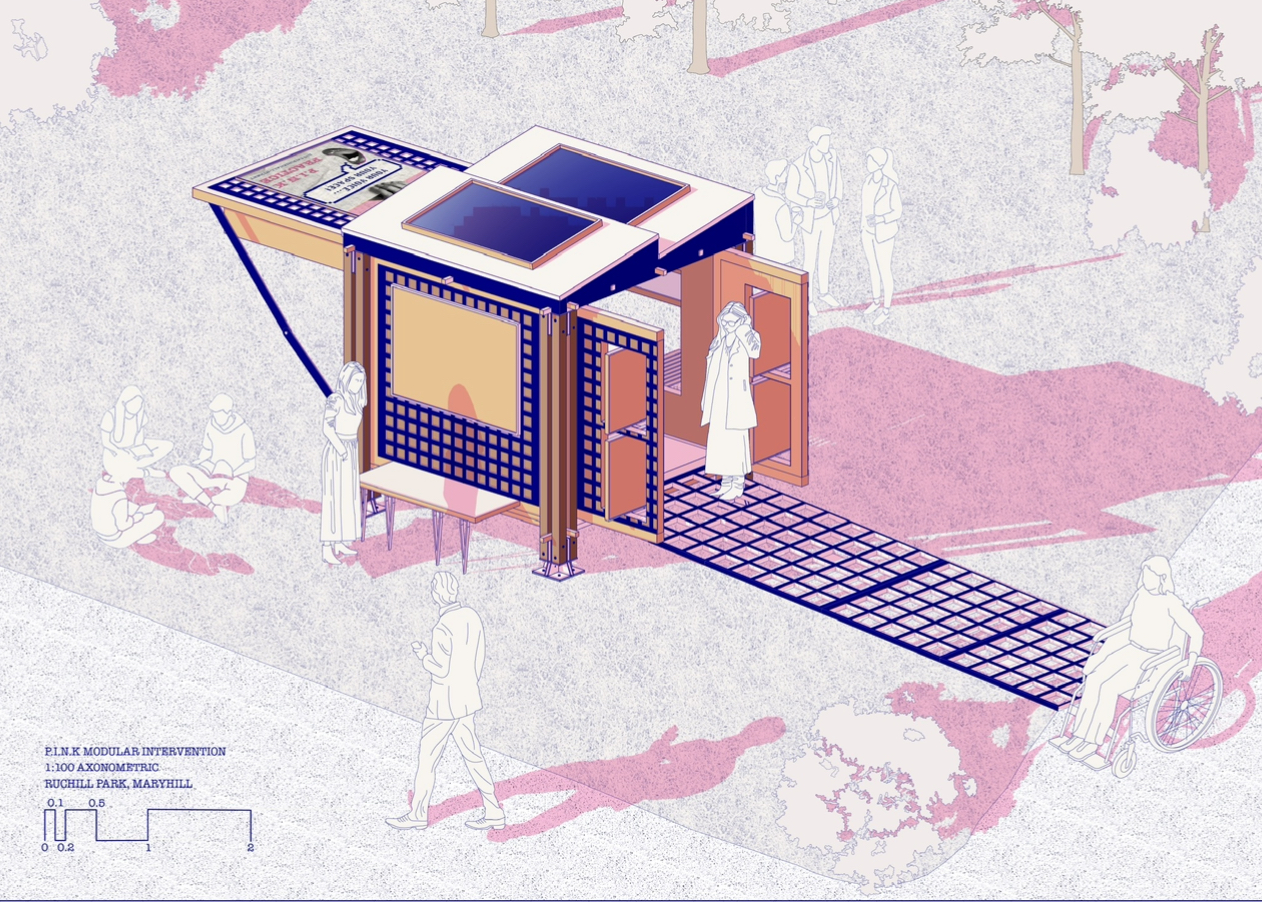
P.I.N.K Practice by Michael McKernan explores how architecture can support care, equity, cultural visibility and community agency.
The project matters because it treats practice itself as a design question. Who gets listened to, who shapes the work and who benefits from the outcome all become part of the architectural brief.
Project images


What the thesis proposes
Michael completed First-Class Honours in both his BSc Architectural Studies and M(Arch) in Advanced Architectural Design at the University of Strathclyde. P.I.N.K Practice builds on that academic work as a manifesto for a more human-centred mode of practice.
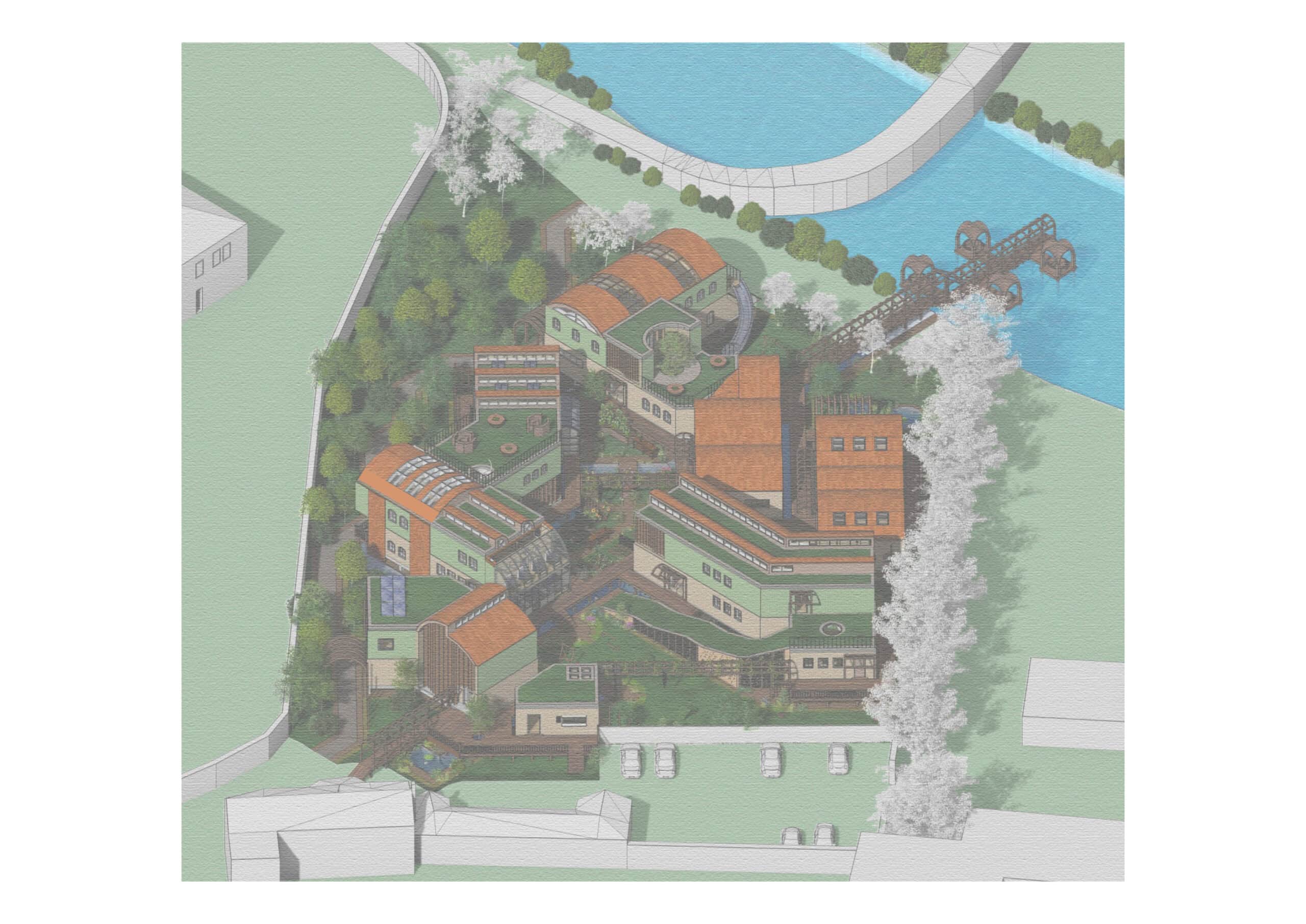
The proposal moves away from a top-down model. It explores modular community hubs, pop-up practice spaces and participatory tools that allow local voices to shape the outcome.
Why the idea is useful
- It makes process visible, not only finished form.
- It treats communities as collaborators rather than consultees at the end.
- It connects spatial design with social responsibility.
- It gives the portfolio a clear ethical position without losing architectural content.
Portfolio lesson
Values-led portfolios need evidence. If the project is about equity or care, show the research, engagement method, programme, spaces and decision-making framework that support those claims.
Showcase a values-led thesis
Architecture Social Showcase works well for projects that combine design, research, community and a clear position on practice.
- Name the social question clearly.
- Show the method, not just the final image.
- Use captions to explain who the work is for.
Architecture Social view
Stephen’s recruiter view is that community-led work lands better when it avoids vague virtue language. The strongest candidates can explain the people, the process and the architectural output together.
See more of Michael’s work
Michael’s public portfolio and profile give more context for the thesis and wider work.
If this project has made you rethink your own portfolio or next move, browse current architecture jobs or contact Architecture Social for a recruiter’s view.


Add a comment