

The Orchards by CHT Architects is a retirement village design that brings independent living, residential aged care and shared facilities into one connected community.
The useful lesson is the whole-of-ageing approach. Instead of asking residents to leave their community when care needs change, the project builds that transition into the masterplan.
Watch: Architecture Social video
This Architecture Social video adds useful context before the practical guidance below.
Built-work evidence
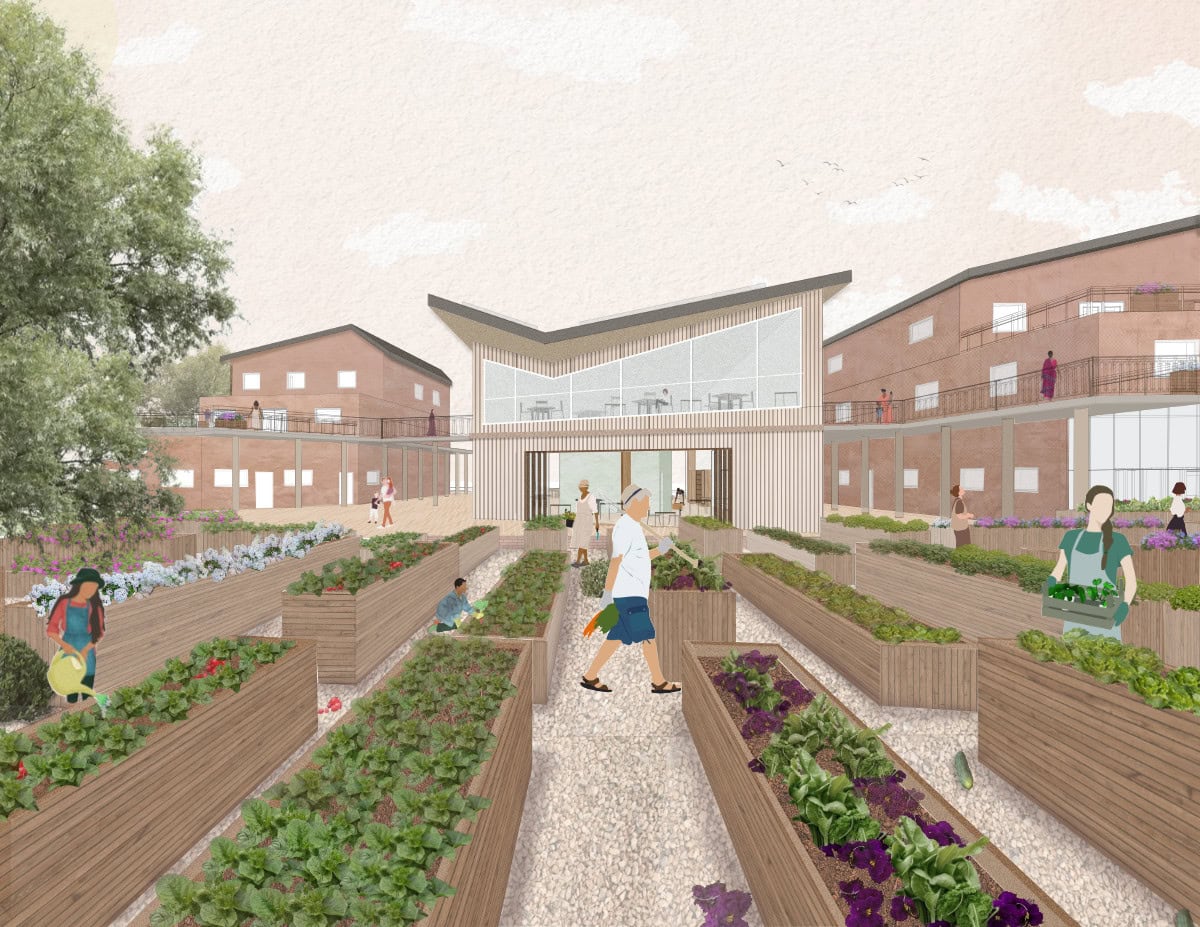
The public project views show the residential and shared-space character of the scheme, from night-time arrival to communal interiors.


How the masterplan works
The Orchards was created with Baptcare and developed as a three-stage masterplan. The plan has been reviewed through feedback from residents, sales agents, operators and other experts, which matters on a later-living scheme where the brief has to work in daily use.
- Stage One includes the residential aged care facility and shared facilities.
- Shared spaces include a cafe, providore, lounge, bar, outdoor dining, pool, gym, healthcare rooms and vertical gardens.
- Stage Two provides 33 modern one, two and three-bedroom retirement apartments.
- Stage Three adds 52 retirement villa units.
- The wider idea is continuity: residents can remain in a familiar community as their needs change.
Why this matters for later-living design
A retirement village can fail when it treats later life as one fixed condition. The Orchards is more interesting because it recognises change: independence, support, community, hospitality and care all need to sit near each other.
That makes the project useful as a design and operational case study. Architecture, interiors, care services and management have to work together.
Showcase a later-living or community project
If your built project deals with ageing, care, community or residential wellbeing, make the user journey and operational idea clear.
- Explain who uses the project and how needs change over time.
- Show how private homes connect to shared amenities.
- Make care, access and community part of the design story.
- Use project facts and stage information where they help readers understand the brief.
Architecture Social view
Stephen’s recruiter view is that later-living architecture needs both empathy and logistics. A good project should read as humane, but also operationally credible.
Next step
Browse more built project showcases or submit your own architecture project.
If this project has made you rethink your own portfolio or next move, browse current architecture jobs or contact Architecture Social for a recruiter’s view.


Add a comment