
Three-dimensional impossible E-shaped geometry in green and light blue

Post-Pandemic Architecture Careers with Team Esteem

Post-pandemic architecture careers were not just about remote work. For students and early-career designers, the bigger question was how to get visible, build confidence and prove value in a market that felt uncertain.

This Team Esteem conversation with Stephen Drew is worth keeping because it shows Architecture Social doing what it does best: turning career anxiety into practical next steps. You can also find Team Esteem at teamesteem.co.uk.

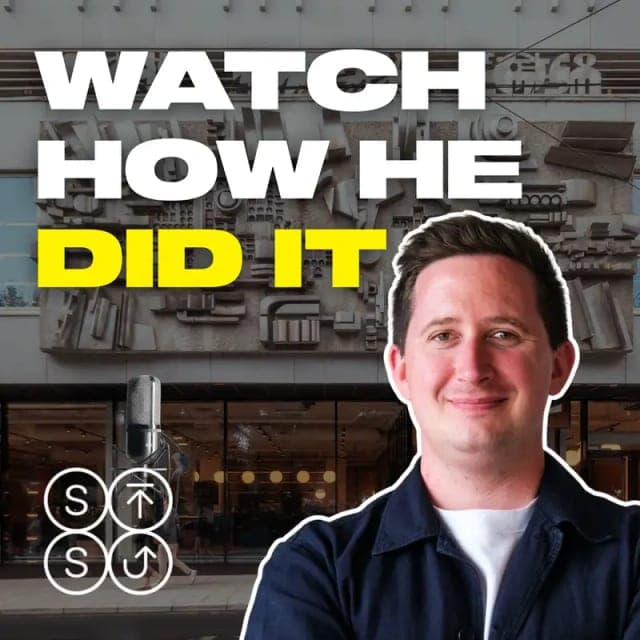
Watch: Team Esteem post-pandemic careers conversation

This Team Esteem session is useful because it captures the career questions many early-stage designers were asking as the industry adjusted after the pandemic.

Listen: Team Esteem post-pandemic careers discussion

Prefer audio? This episode gives the same conversation more room while you work through your CV, portfolio or job-search plan.

Why this still matters

The pandemic moment has passed, but the career lessons have not. Candidates still need to show adaptability, communication, software confidence, portfolio judgement and the ability to work with people they may not see every day.

What changed for early-career designers

  • More interviews moved online or hybrid.
  • Practices became more selective about evidence.
  • Students had to explain disrupted education or unusual project experience.
  • Digital communication became part of the job, not a bonus.
  • Community and public visibility became more useful for building trust.

More Architecture Social video context

Watch: Architecture Social version of the Team Esteem session

This Architecture Social version keeps the same career conversation close to the guide for readers who want to revisit the full session.

What candidates can still learn from it

The strongest lesson is to stop waiting for the market to feel normal. Architecture careers rarely move in perfect conditions. The candidates who do best usually make their evidence clear before a role appears.

  • Use the Architecture Social CV guide to make your experience easier to scan.
  • Keep a short sample portfolio ready for direct applications and recruiter conversations.
  • Browse current architecture jobs to understand what practices are asking for now.
  • Practise explaining your project role in plain language before the interview.

Where candidates can overthink it

Early-career candidates can spend too long worrying about whether their route looks normal. A disrupted studio year, unusual placement, international move or gap is not automatically a problem. The problem is leaving the reader to guess what happened and what you learned.

  • Explain the context without apologising for it.
  • Show what you contributed personally.
  • Put the strongest evidence near the top of the CV and portfolio.
  • Use LinkedIn and community spaces to stay visible.
  • Ask for feedback early, not only after rejection.

Common mistakes

  • Treating post-pandemic career uncertainty as a personal failure.
  • Hiding disrupted education or work experience instead of explaining it cleanly.
  • Sending a portfolio that looks good but does not prove responsibility.
  • Waiting for advertised jobs instead of building conversations.
  • Letting confidence drop because the market feels noisy.

Architecture Social view

Stephen’s recruiter view is that confidence often follows evidence. When your CV, portfolio and story are clearer, interviews feel less like a performance and more like a conversation.

Next step

Use this session as a reset point: update the CV, trim the sample portfolio, then look at live architecture jobs and the wider Architecture Social guides.

Comments:

  • No comments yet.
  • Add a comment

    You may also be interested in:

    Latest Jobs

    A private and exclusive forum for Architecture & Design professionals and students.

    Backed by industry specialists, it’s where you can engage in meaningful conversation, make connections, showcase your work, gain expert insights, and tap into curated opportunities to advance your career or strengthen your studio.
