Description
FMD Architects renovated and extended the consulting rooms of the Knox Orthopaedic Group, on a site beside Knox Hospital. The suite is reached from the hospital car park at the front and from a quiet residential street at the rear. The brief was to enlarge the existing administration and reception areas and to add two more consulting rooms.
The new layout gives the surgeons their consulting rooms along with a shared hot-desk area for writing up notes after appointments. Support staff sit together in the administration office, while a generous kitchen opening onto an outdoor deck gives the team somewhere to gather over lunch and after work. Reception does double duty as a waiting area and as a workshop space for the group mindfulness classes that form an important part of patients' recovery.
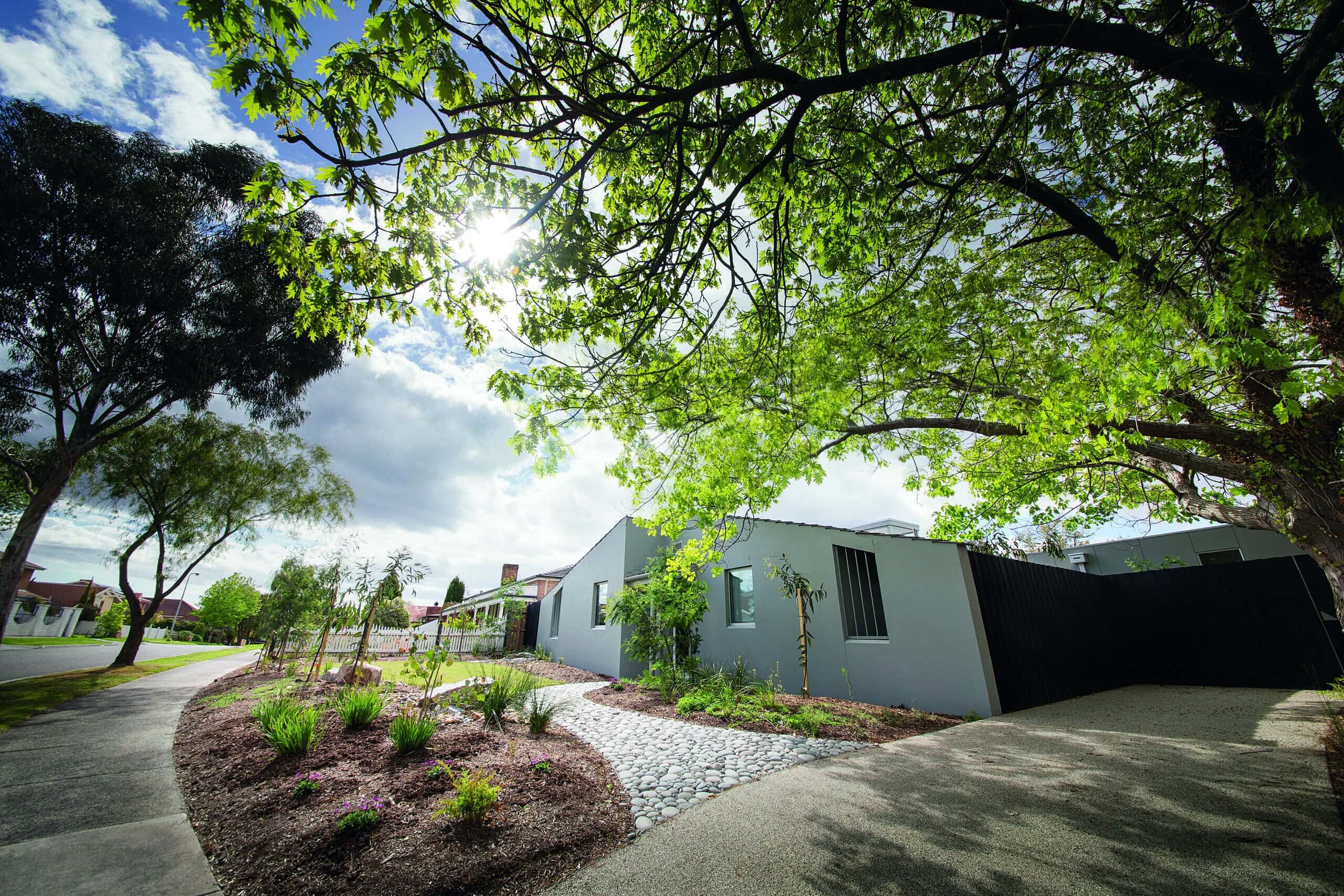
A key aim was to bring daylight and natural ventilation into rooms that had been almost entirely internal, and to open views towards new garden areas from the workspaces. The once-enclosed spaces are now light filled and naturally ventilated, which has markedly reduced their reliance on artificial light and mechanical ventilation and left staff healthier and happier.
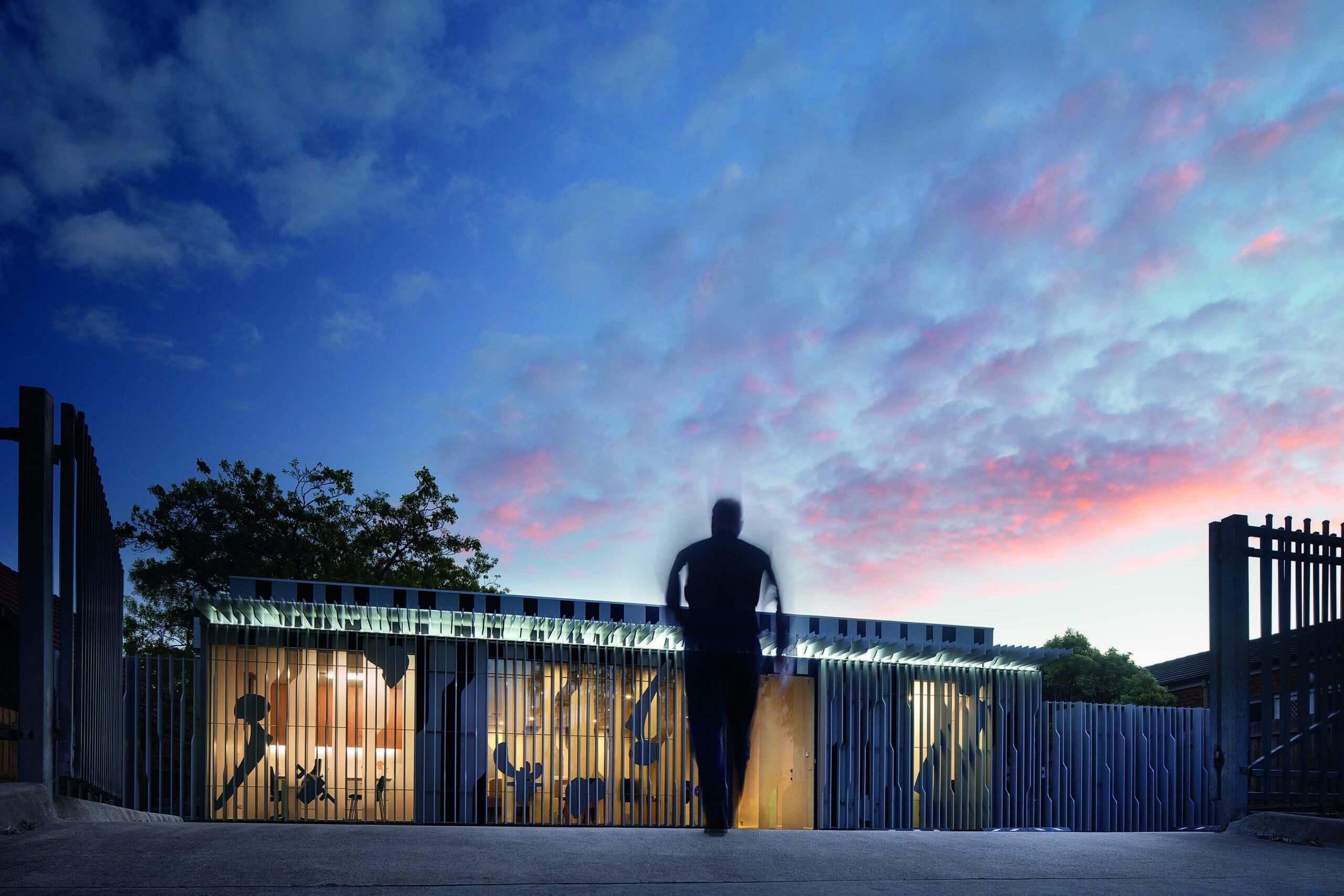
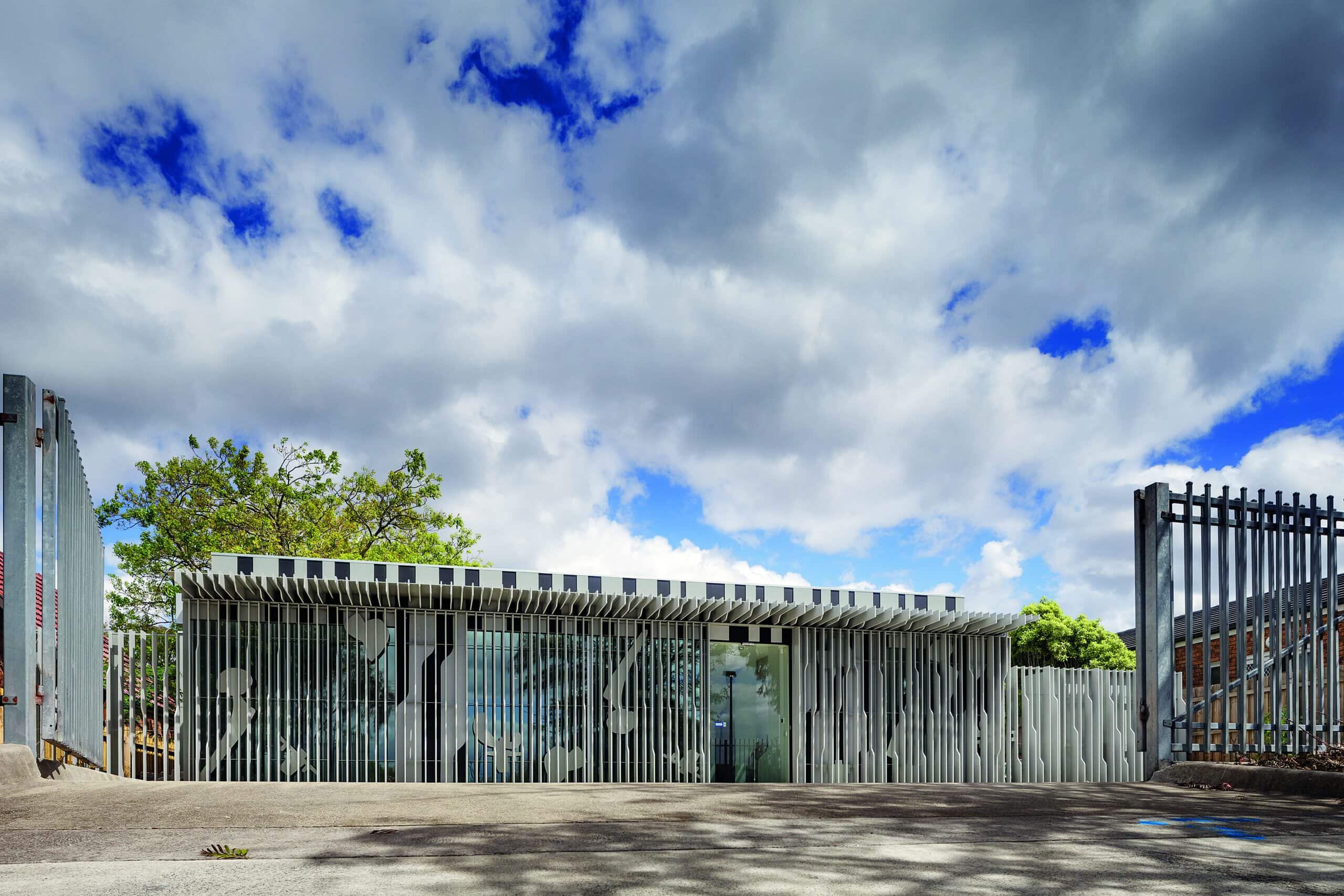
The design draws on the symbiotic relationship between orthopaedics and architecture. A surgeon's tools, processes and language align closely with those of the carpenter, and the design of prosthetics and surgical techniques shares architecture's reliance on 3D modelling and printing. FMD set out to express those parallels in built form. The layered facade references the surgeon's tools, prosthetics and the human frame, playing on the two and three dimensional qualities of the X-ray. Built up from film, steel and recycled plastic, it keeps the thinness of an X-ray sheet while gaining depth through its layers; backlit from within, it reads like an X-ray on a lightbox.
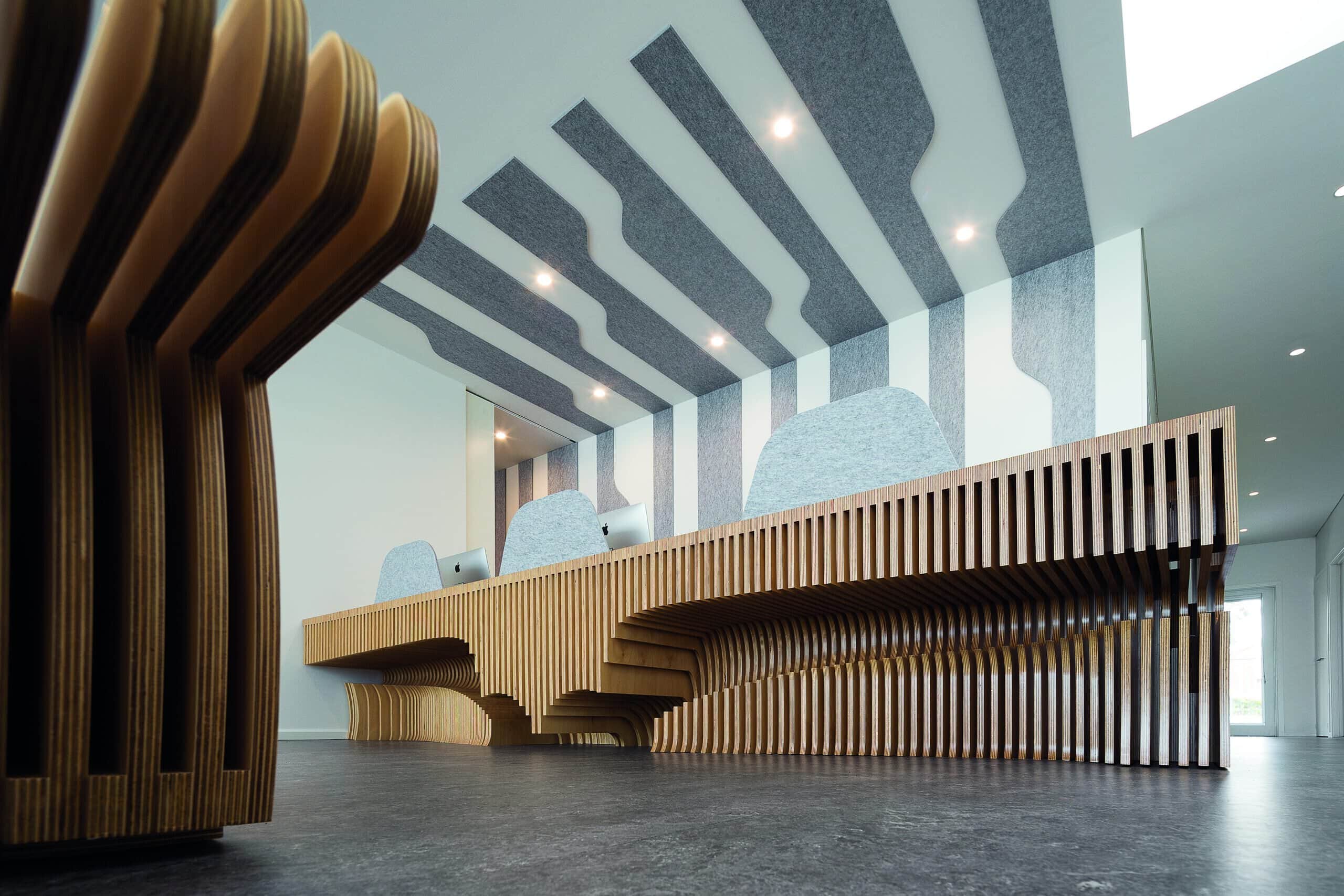
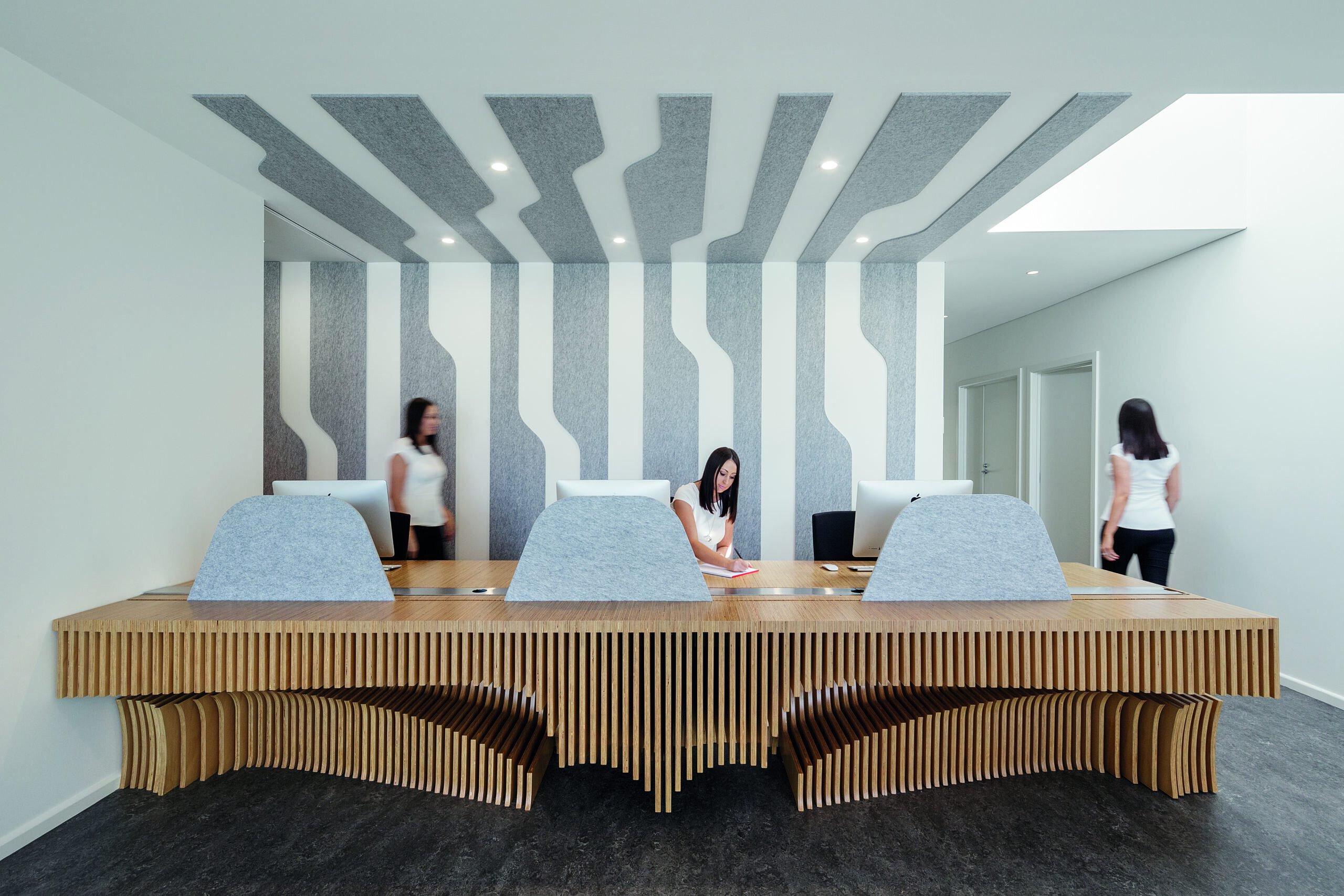
Inside, recycled plastic acoustic panelling echoes the shadows cast by the facade, carrying the X-ray idea through to the interior. The reception desk develops it further, with the prosthetic forms of the facade carved from a layered plywood block; the pieces removed are reconnected to form the bench seat, so all of the plywood is used. The outcome is a highly sculptural extension that still answers the practical needs of a working clinic, with greater natural amenity bringing improved wellbeing for staff and lower running costs.
Architect: FMD Architects (Fiona Dunin, with Andrew Carija and Owen Castley; detailing by Robert Kolak). Photography: John Gollings.
Gallery
Company

Industry
Sector
Details
- Client: Knox Orthopaedic Group
- Project Size: 226 m2
- Building Levels: 1
- Completion Date: 2014
- Photographer: John Gollings
Region
Discuss