
Arkora: Rethinking Resilience in Flood-Prone Architecture
Redefining Adaptation for an Era of Climate Uncertainty
In an age where climate volatility is rapidly recasting the frontlines of architectural responsibility, Rasika Savalekar stands out as a voice of both vision and pragmatism. A recent MSc graduate from the Architectural Association’s prestigious Emergent Technologies and Design (EmTech) programme, Rasika has built her academic and professional identity around a research-led, computational, and environmentally responsive approach. Her dissertation thesis, Arkora, is a striking response to the growing existential challenges facing flood-prone communities around the globe—a meticulously crafted exploration at the intersection of advanced design, material innovation, and social sustainability.
Genesis of Arkora: Responding to Water’s Dual Threat
Arkora originated as a critical inquiry into the increasing frequency and severity of urban flooding, a phenomenon exacerbated by climate change, urbanisation, and ecological mismanagement. Rasika’s research zeroed in on emergent techniques that leverage computational tools and environmental analysis to design built environments capable of not just surviving but thriving in the face of water’s unpredictability.
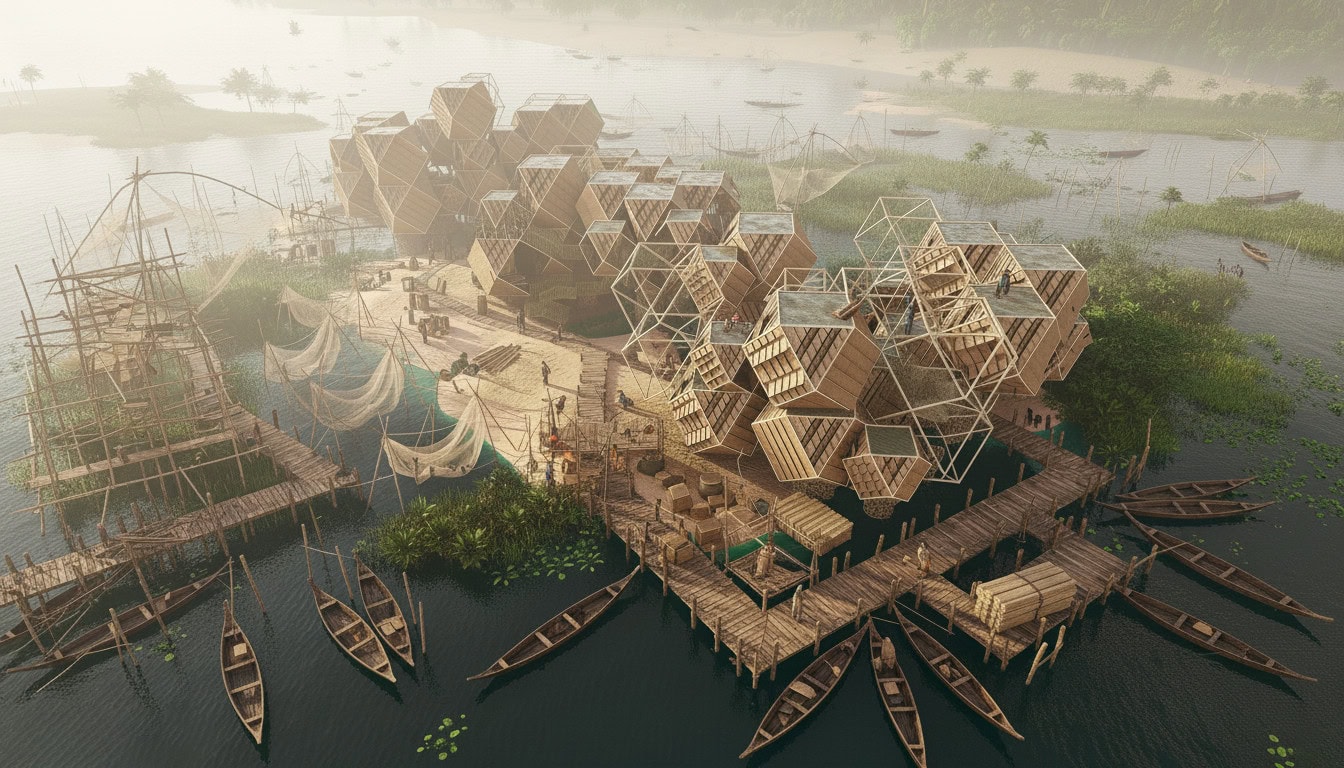
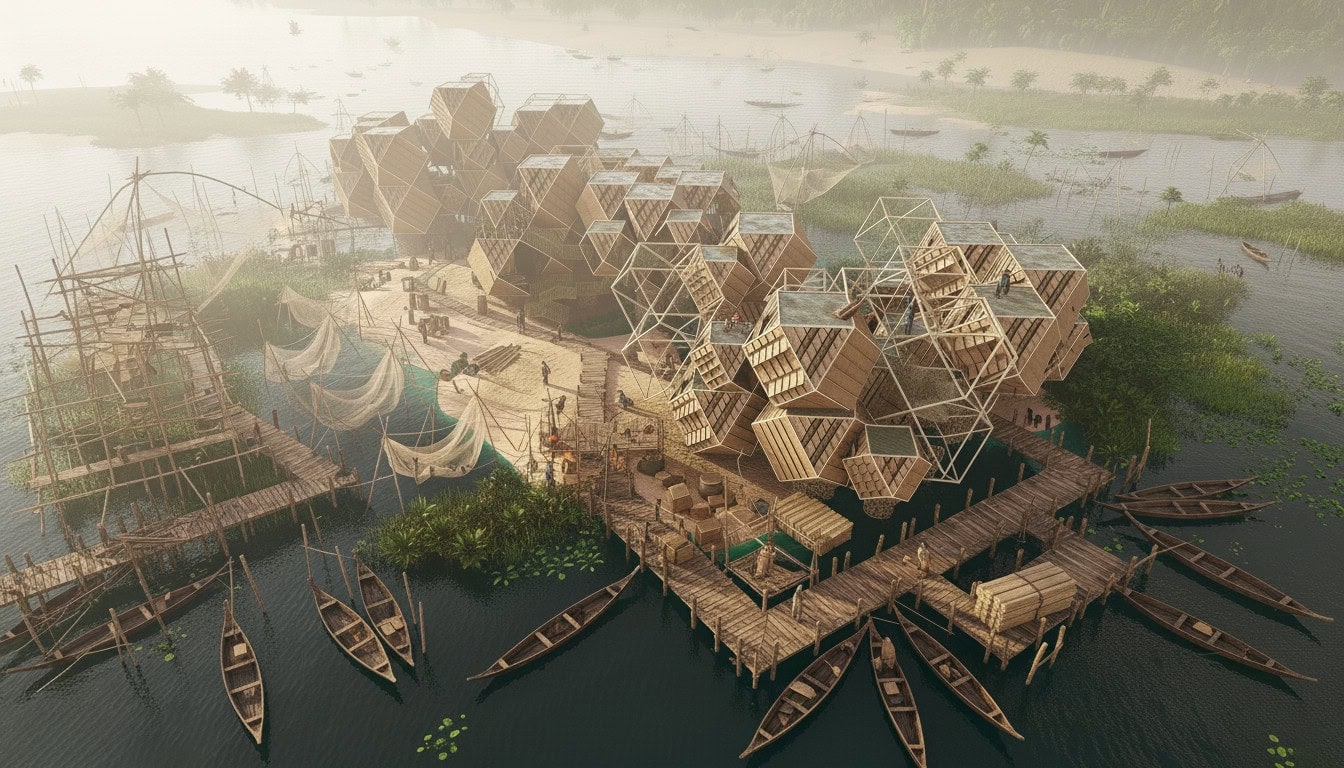
At its core, Arkora is less a singular ‘building’ than a smart, modular system. The project seeks to answer: how might architecture not only withstand extreme hydrological events but also cultivate resilient forms of community life? This question propelled Rasika into a multi-disciplinary investigation, blending parametric design, environmental simulation, and on-the-ground material prototyping.
Computational Strategies: Designing for Uncertainty
Rather than relying on static solutions, Arkora is grounded in computational workflows that enable structures to anticipate and respond to shifting flood conditions. Rasika harnessed the power of iterative parametric design, embedding algorithmic adaptability into each component’s geometry and connection logic. Digital simulations mapped an array of possible flood scenarios, allowing for dynamic adjustment of modular elements—ensuring stability, buoyancy, and functional flexibility under evolving environmental pressures.
The resulting system champions redundancy and modularity: units can be interconnected, detached, or rearranged in response to site-specific flood risks or community needs. Advanced environmental analysis—through CFD (computational fluid dynamics) and microclimate modelling—supported decisions ranging from optimal structure orientation to envelope performance, targeting both resilience and comfort.
Material Experimentation: Bridging Concept and Craft
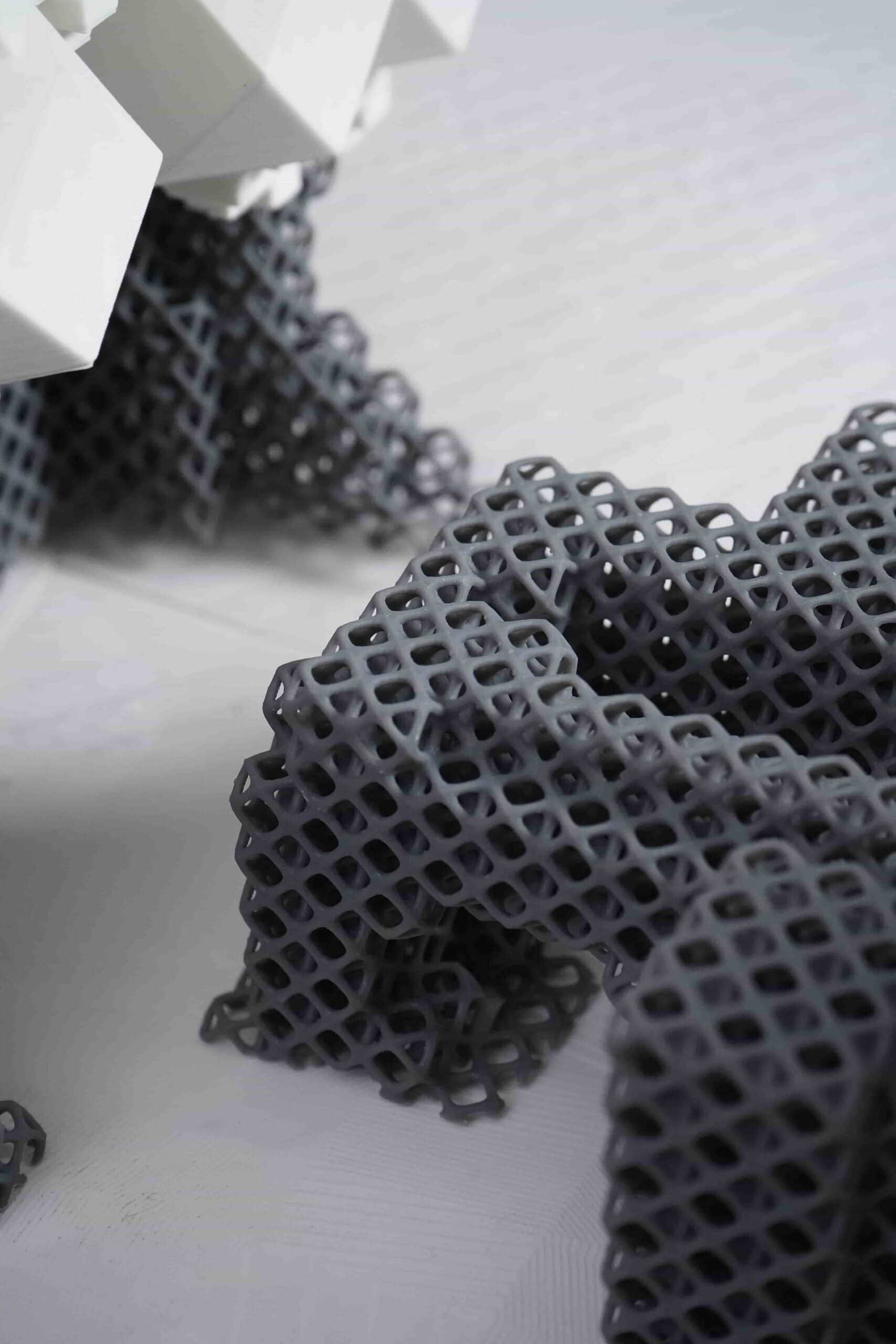
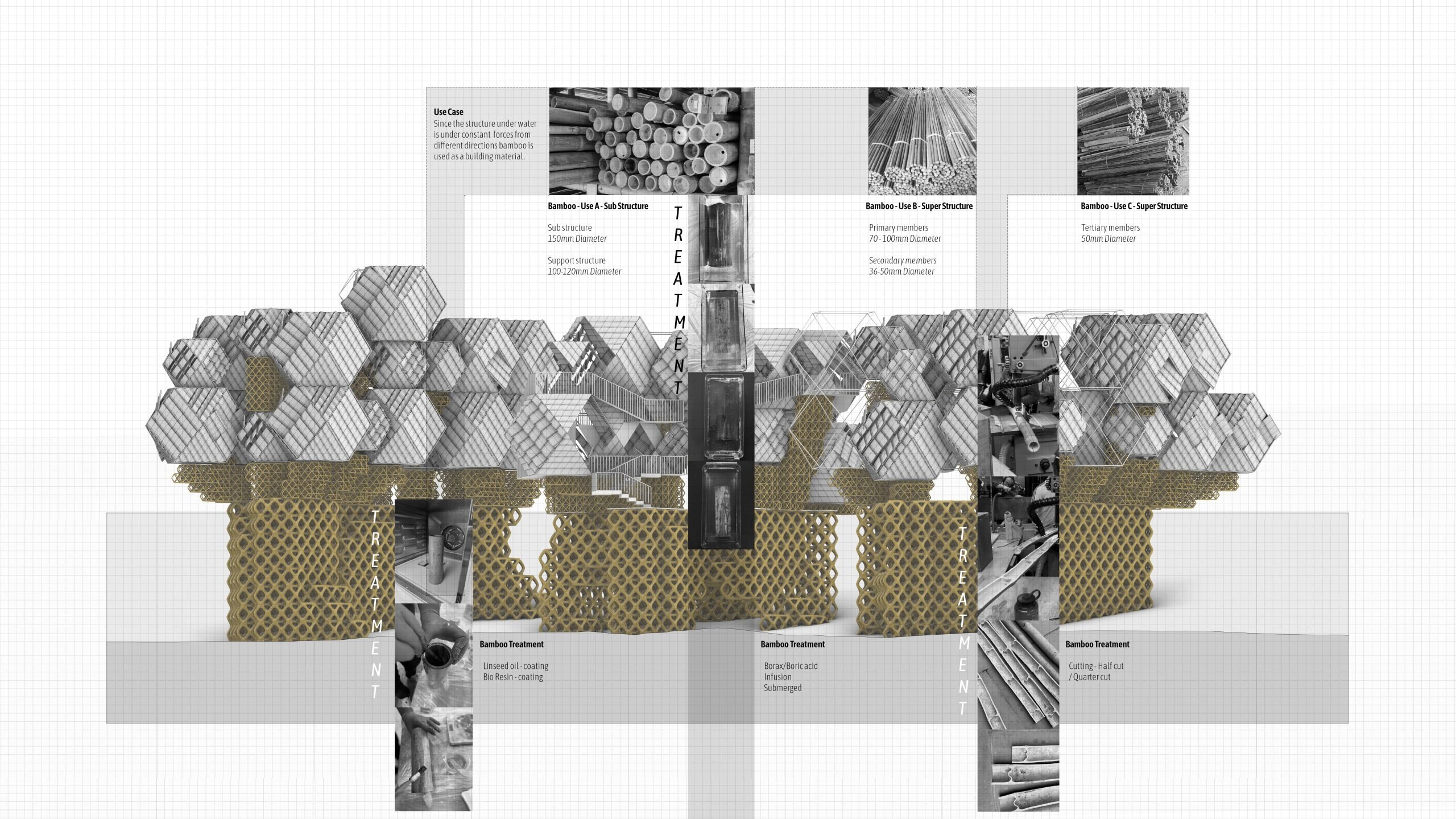
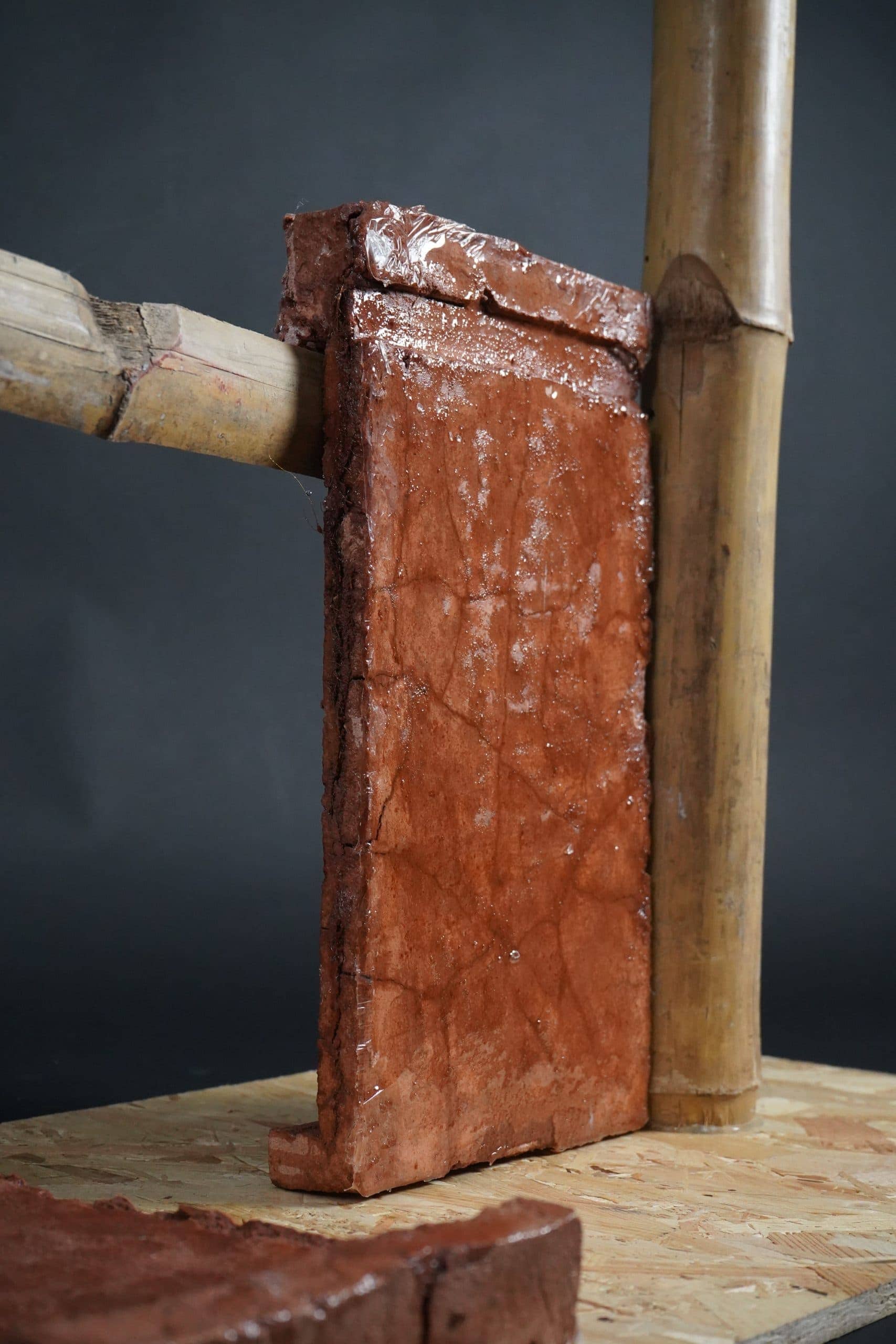
A decisive feature of Arkora’s innovation lies in its commitment to experimental fabrication. While computational models set the groundwork, Rasika’s iterative physical prototyping pushed the project from speculation to viable blueprint. Exploring a palette of locally available, lightweight, and recyclable materials, she tested floatation systems, joinery strategies, and envelope assemblies—all contextualised within the project’s ecological and cultural landscape.
Crucially, material selection became a vehicle for embedding sustainability into the project’s DNA. From bio-based composites to reclaimed plastics, Rasika’s approach sought to minimise embodied energy and facilitate on-site assembly and repair. This commitment to responsible material use underscores Arkora’s ethos: technical finesse must be married to real-world pragmatism.
Community and Urban Resilience: Architecture as Catalyst
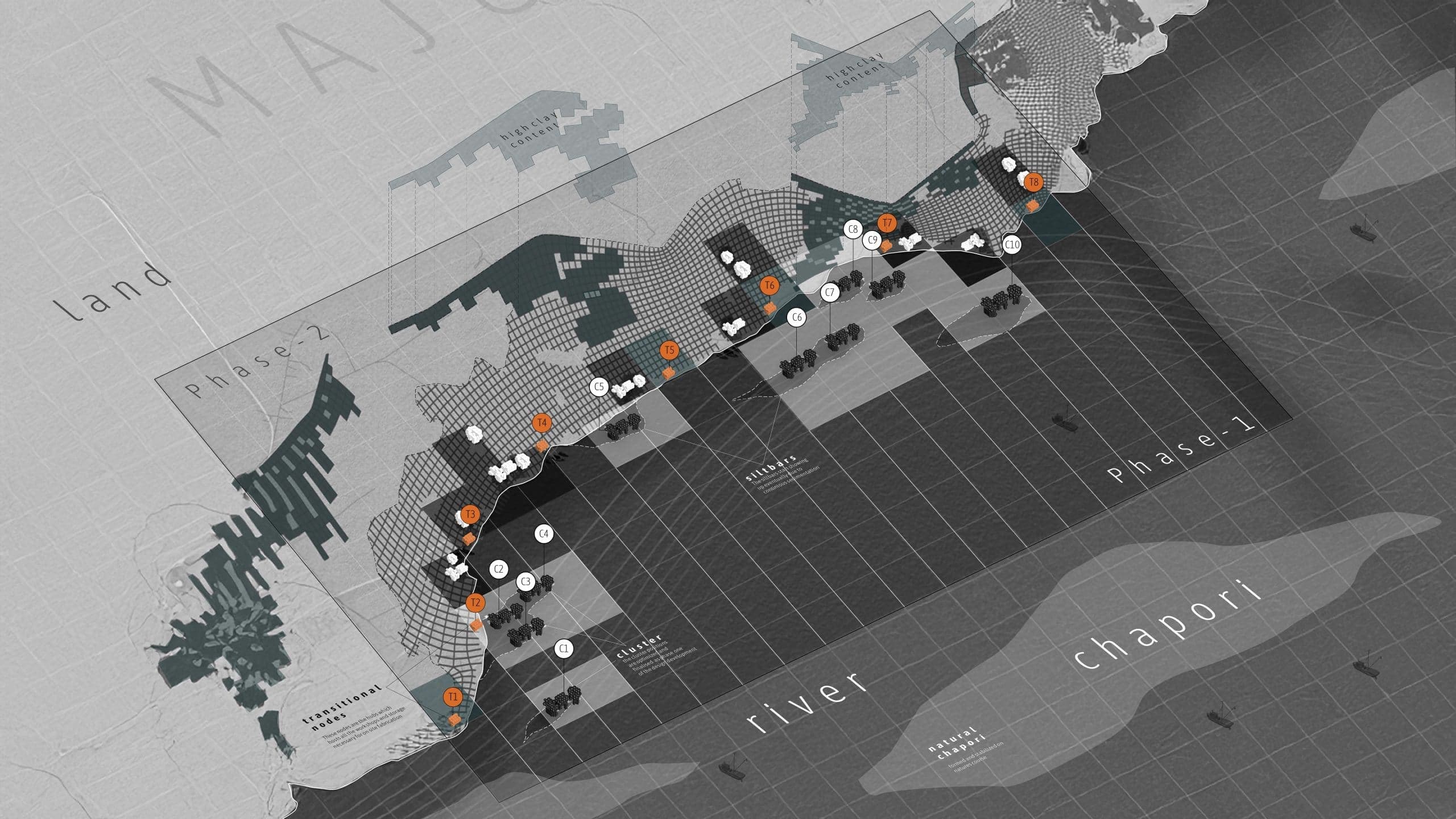
Arkora’s ambitions extend well beyond the technical. The project is conceived as infrastructure for regenerative settlement, envisioning self-organised clusters capable of scaling up or down with community needs. Its flexible modules accommodate housing, shared facilities, and productive landscapes—encouraging new patterns of collective living, resource management, and spatial equity in sites often marginalised by policy and investment.
Rasika positions adaptive architecture as a social catalyst, empowering residents to repurpose, repair, and expand their environment. This anticipatory strategy demonstrates how research-led design can intersect meaningfully with questions of equity, agency, and long-term sustainability.
Recognition and Future Directions
Arkora has attracted attention for both its methodological rigour and practical foresight. Within the EmTech community at the Architectural Association, the project was recognised for its sophisticated synthesis of computational design, climate analysis, and prototyping. More broadly, it stands as a proposal with deep potential for real-world deployment, offering a toolkit adaptable to diverse hydrological and cultural contexts—from sprawling river deltas to Pacific archipelagos.
Rasika’s dissertation is emblematic of a new wave in architectural research: projects unafraid to grapple with complexity, committed to bridging digital abstraction with hands-on making. Though currently in its research phase, Arkora has the makings of a platform ripe for academic collaboration, pilot implementation, and partnership with NGOs, local authorities, or forward-thinking developers globally.
Connect with Rasika Savalekar
Rasika Savalekar is actively seeking new avenues for collaboration, mentorship, and bringing Arkora—or future innovations—to life. Her work evidences a rare blend of technical mastery and holistic vision, and she welcomes dialogue with fellow architects, engineers, researchers, and community stakeholders invested in a resilient, equitable built environment.
You can follow her journey or get in touch for potential collaborations through:
– LinkedIn: linkedin.com/in/rasika-savalekar-68b0b319b
– Email: rasika.art31@gmail.com
With Arkora, Rasika Savalekar reminds us that the boundaries of architecture are both technical and societal—and that today’s most pressing ecological crises demand a new breed of architectural practice: adaptive, inclusive, and ever-committed to transformation.




Add a comment