
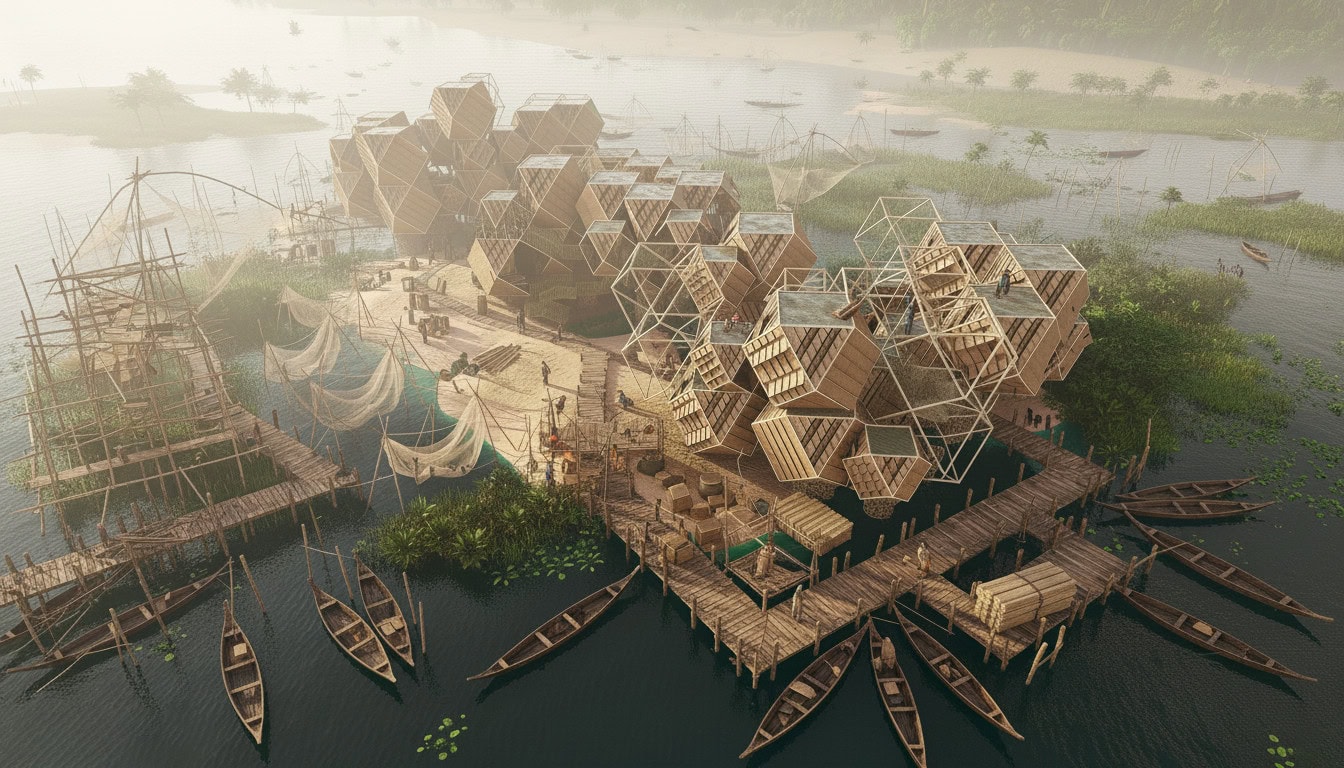
Arkora by Rasika Savalekar is a flood resilient architecture thesis for the River Brahmaputra, using parametric design, modular systems and community adaptation.
The project is strongest because it does not treat flooding as only a technical problem. It connects water, structure, material testing and the daily life of communities living with risk.
Project gallery
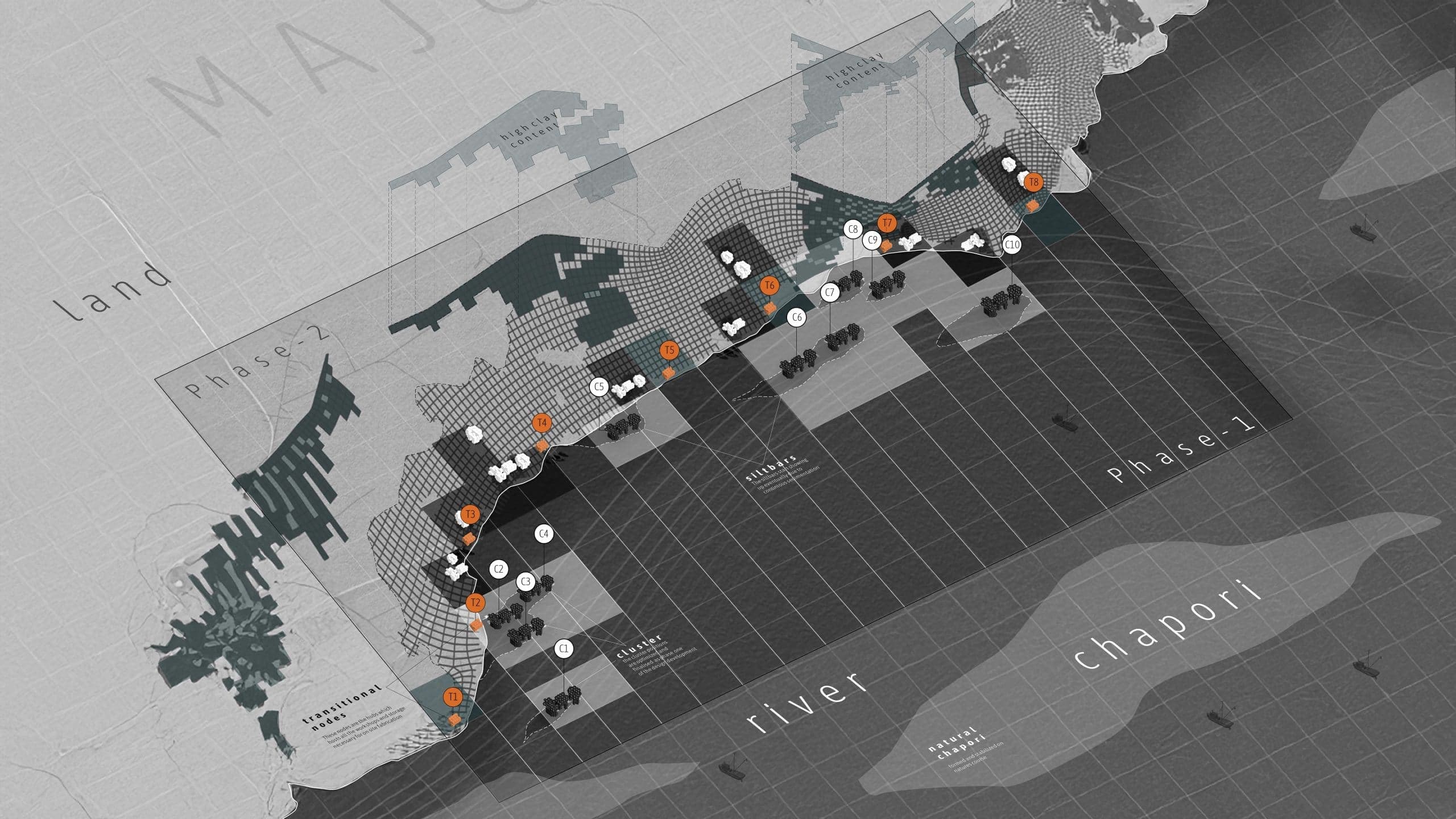
The gallery shows project material from Arkora, including the computational, modular and flood-resilience thinking behind the proposal.
Project overview
The original article introduced Rasika as a recent MSc graduate from the Architectural Association’s Emergent Technologies and Design programme. Her dissertation, Arkora, focuses on flood-prone communities in the River Brahmaputra delta.
Rather than proposing one fixed building, Arkora is framed as a smart modular system that can respond to changing water conditions and community needs.
How the flood resilient system works
- Parametric workflows test geometry, connections and adaptability.
- Environmental simulations explore flood scenarios, buoyancy and stability.
- CFD and microclimate modelling inform orientation and envelope decisions.
- Modules can be connected, detached or rearranged to suit site conditions.
- The system supports housing, shared facilities and productive landscapes.
Material and community logic
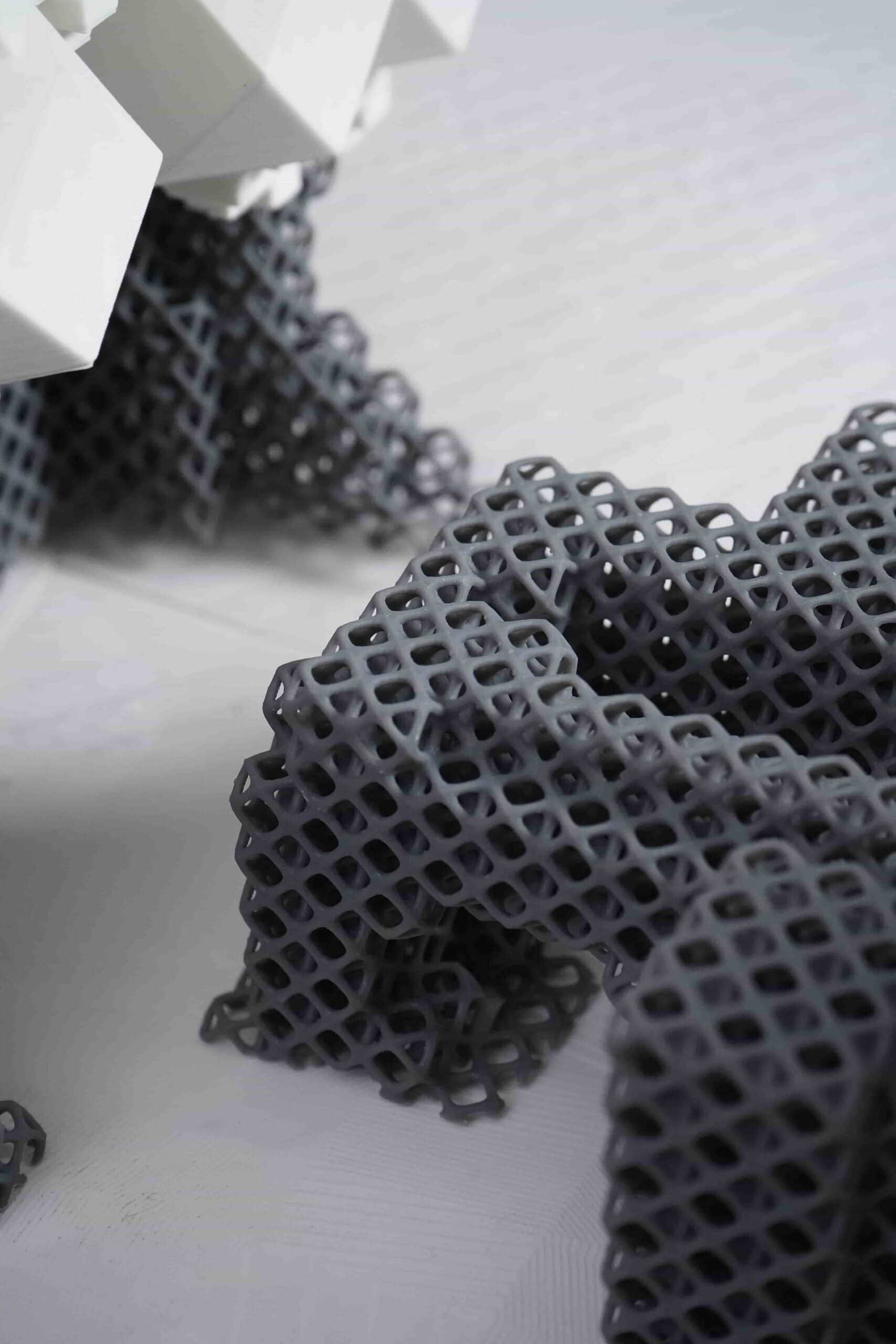
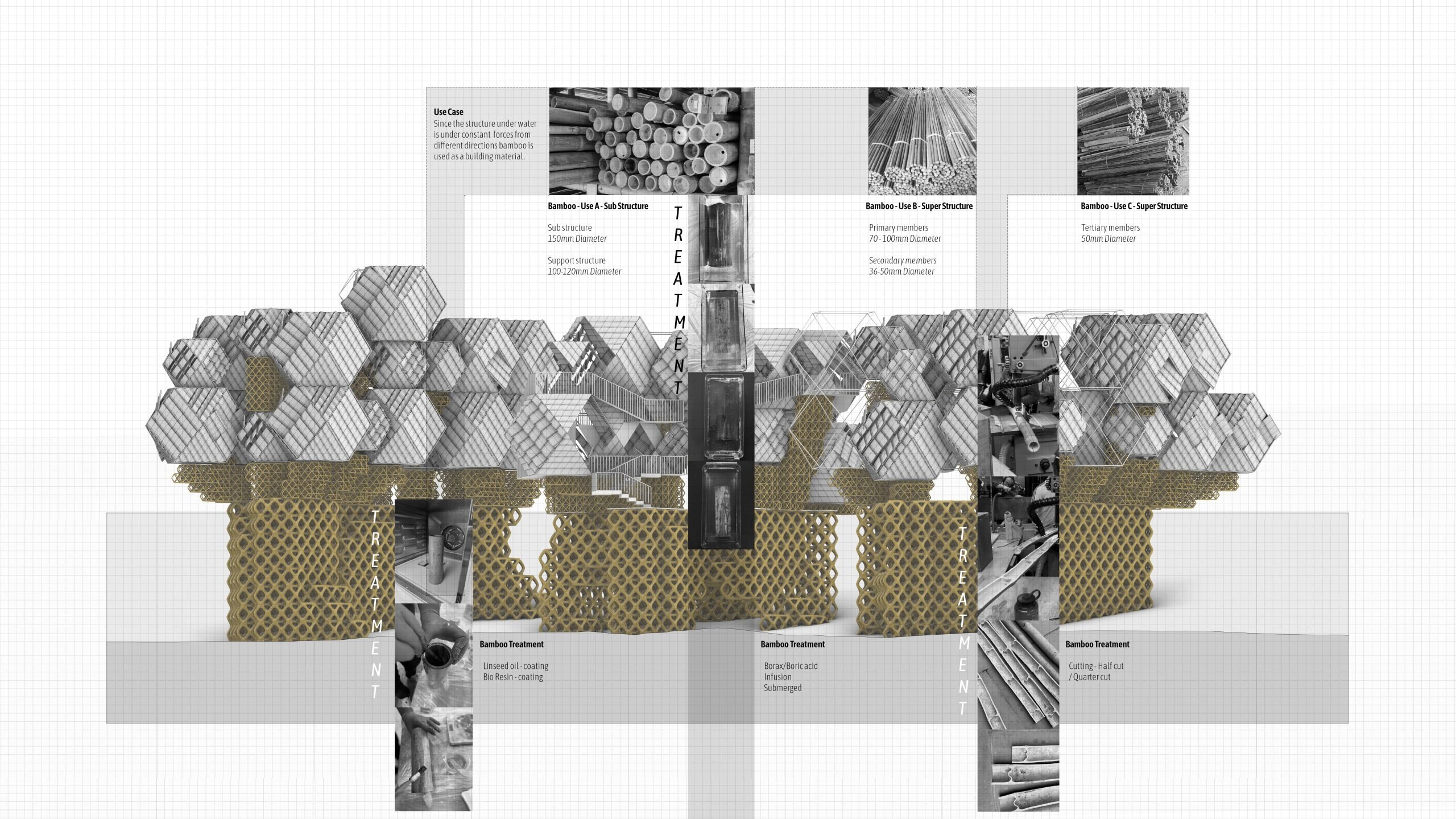
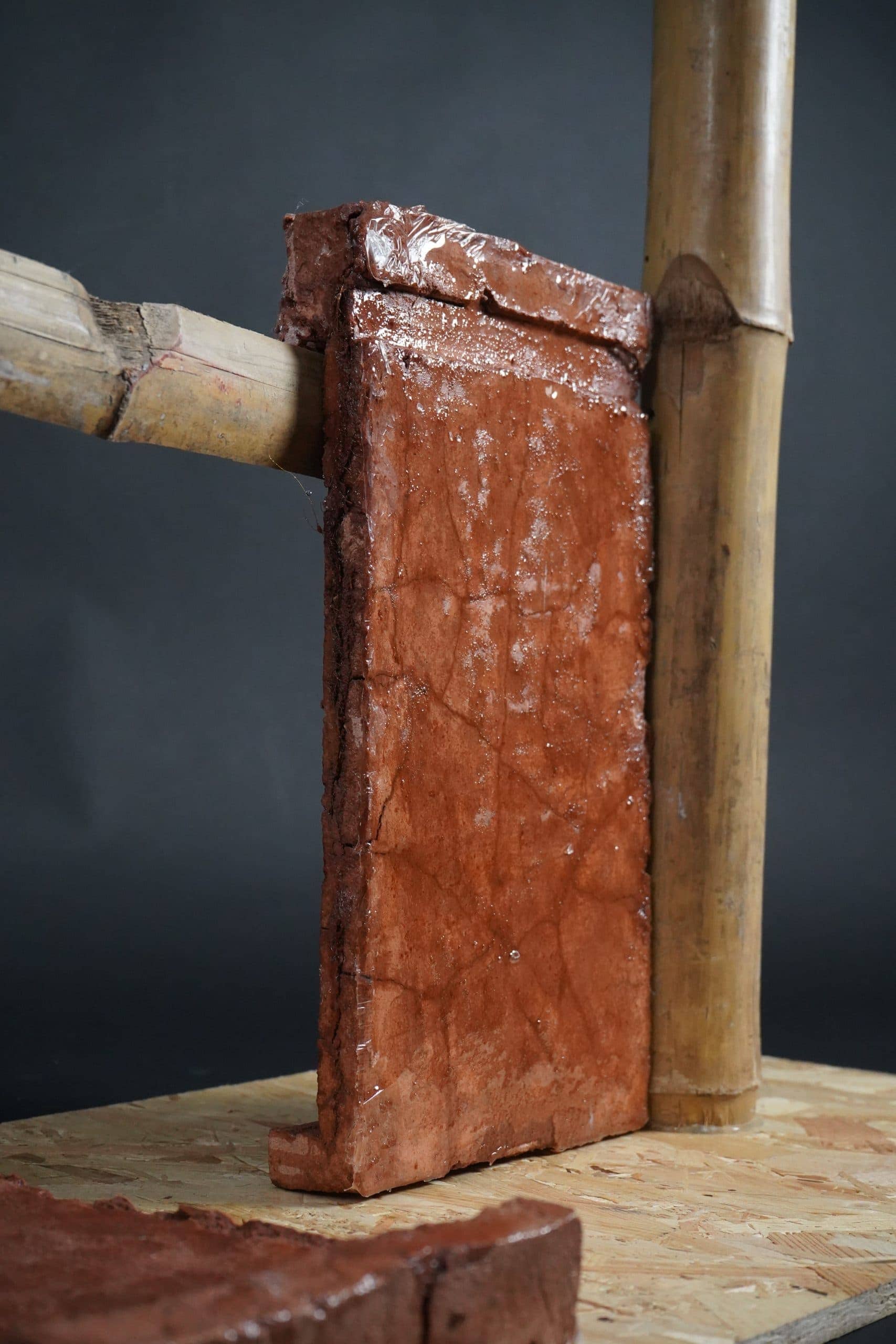
Arkora also uses physical prototyping to connect computation with construction. The original article notes lightweight, recyclable and locally available materials, including bio-based composites and reclaimed plastics.
That matters because flood resilient architecture has to be repairable and adaptable. A system that looks clever on screen is not enough if people cannot assemble, maintain or change it locally.
Portfolio lesson
For computational design portfolios, the risk is that the tools overwhelm the human purpose. Arkora works best when the reader can see both sides: the parametric workflow and the real-world settlement question.
Showcase a climate-resilience project
Architecture Social can feature research-led projects where the technical method and public value are both clear.
- Explain the environmental risk in plain language.
- Show how the computational method changes the design.
- Connect material tests to assembly, repair or local use.
- Make the community benefit visible, not only the system diagram.
Connect with Rasika Savalekar
Architecture Social view
Stephen’s recruiter view is that advanced computational work becomes much stronger when it is explained through a real problem. The technical skill is valuable, but the reader still needs to understand who the design helps and how it could be used.
Next step
Explore more student and research projects, use the portfolio guide to sharpen technical project storytelling, or submit your own work.
If this project has made you rethink your own portfolio or next move, browse current architecture jobs or contact Architecture Social for a recruiter’s view.


Add a comment