
Citizen’s Hyperbook Market and Theatre by Veronia Abdelshehid is a final-year architecture project about public culture, literature and participation in King’s Cross.
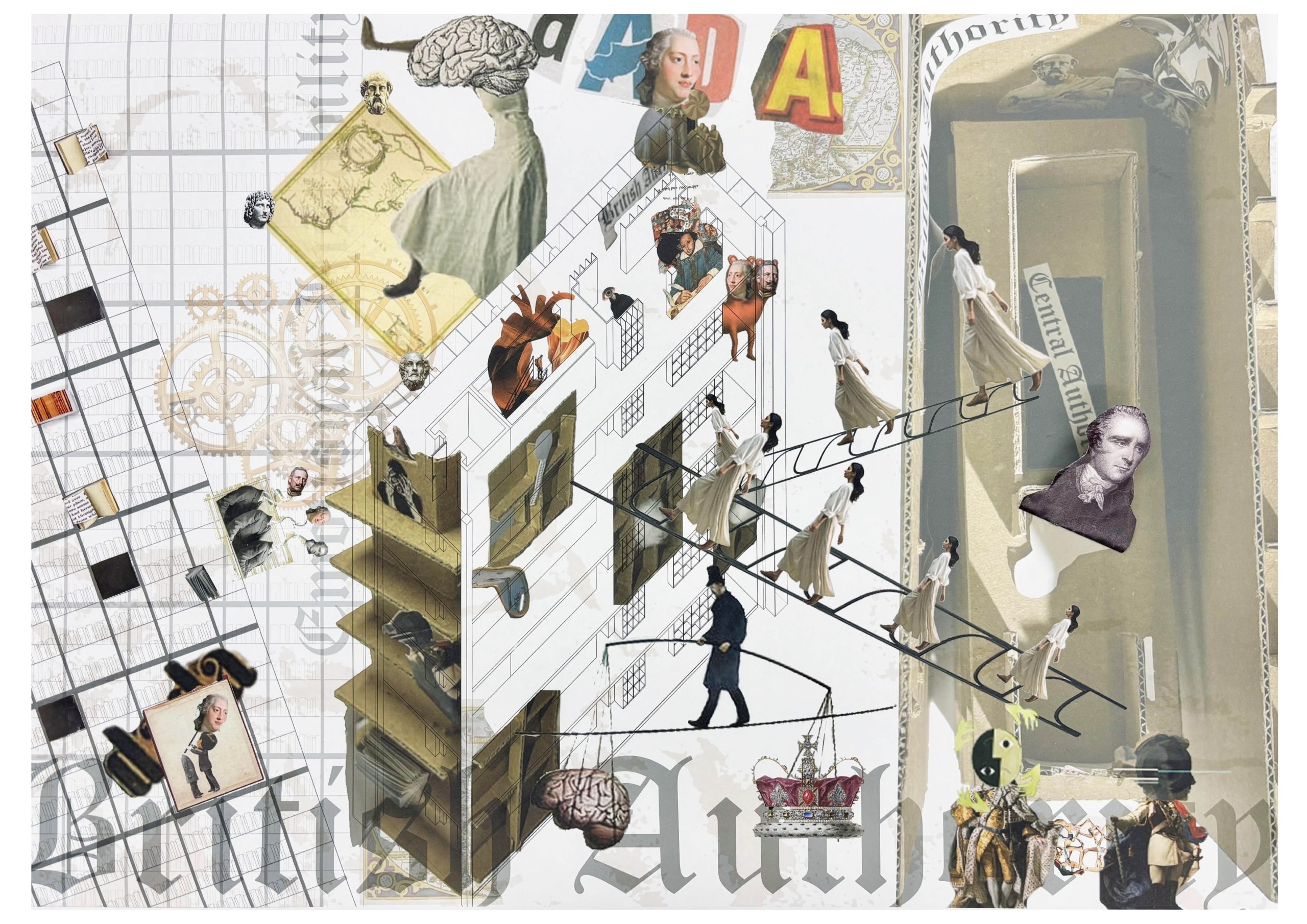
The project asks a strong architectural question: what happens if reading is not treated as a private act, but as something traded, performed, edited and shared by citizens?
Project gallery
The gallery uses the supporting project images and avoids repeating the page’s visible hero image in the article body.


Project overview
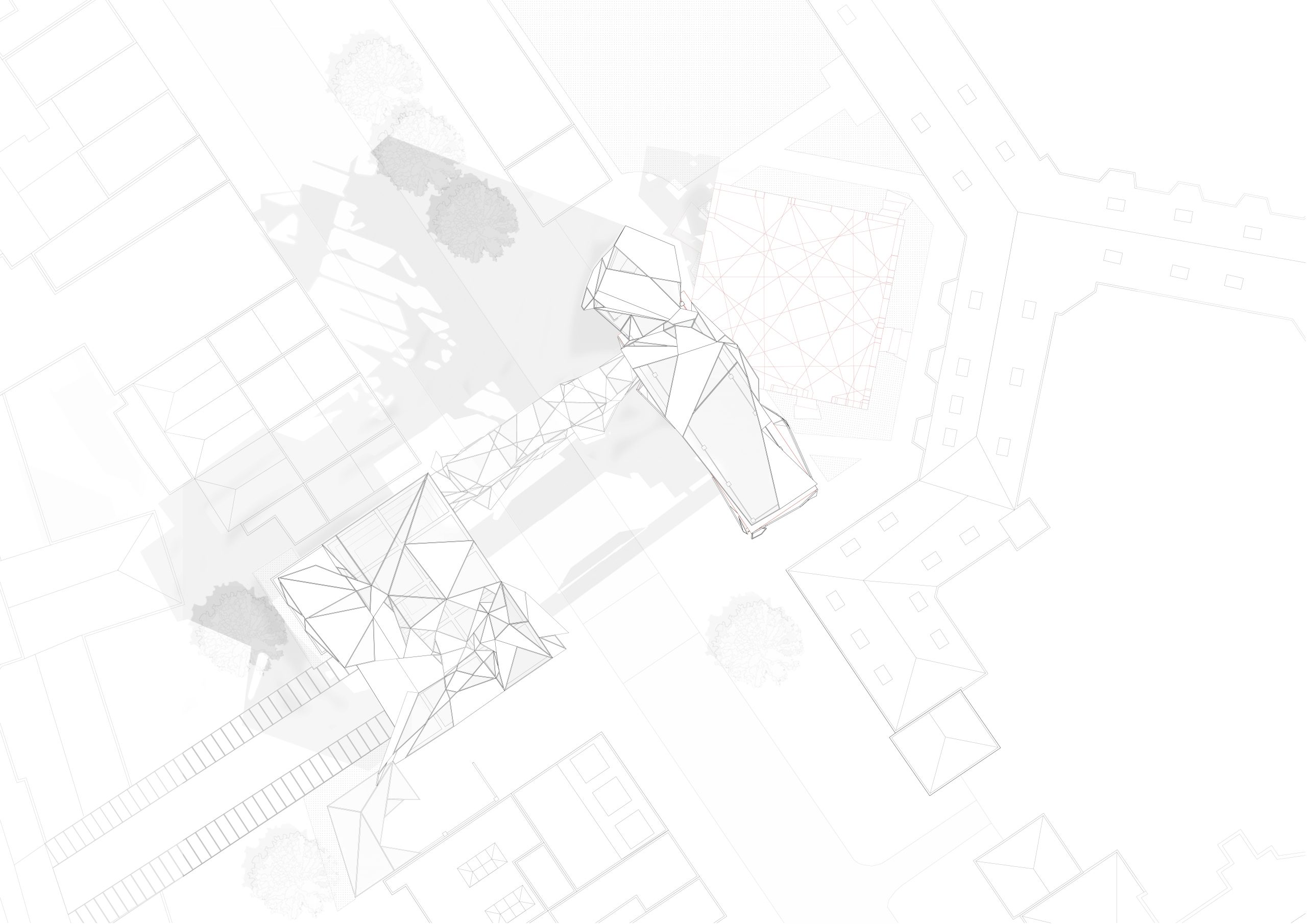
Veronia Abdelshehid developed the proposal after graduating from the University of Westminster with a BA in Architecture and RIBA Part 1. The site sits in King’s Cross, near the British Library, but the project deliberately moves away from a single monumental idea of knowledge.
Instead, it proposes a market, a theatre and a communal hub. Together they turn books, performance and public authorship into a shared civic experience.
The three spaces
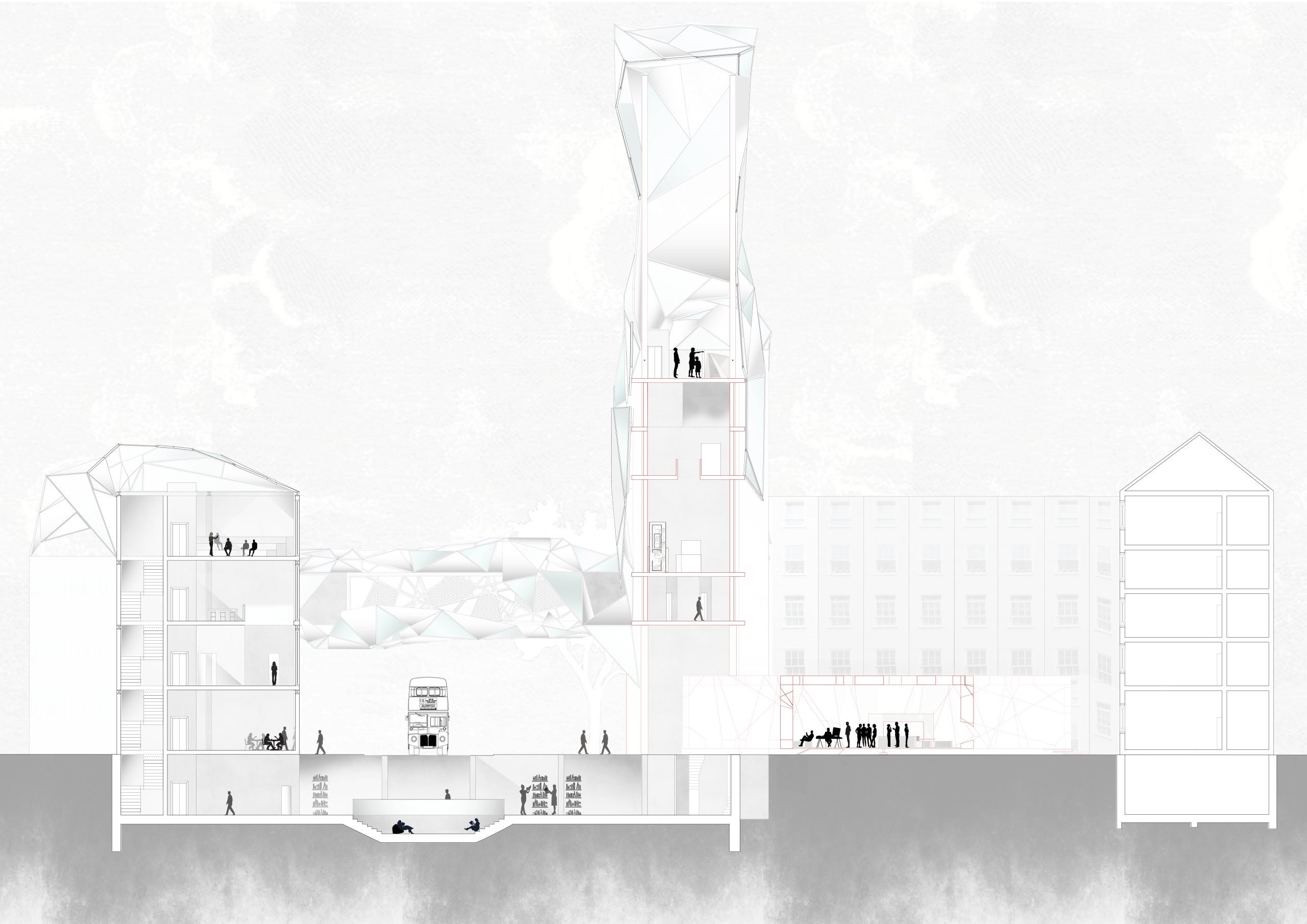
- The market becomes a place for books, zines, pamphlets, workshops and exchange.
- The theatre supports performance, readings, storytelling and changing audience relationships.
- The communal hub gives the project a space for reflection, editing, production and collective authorship.
- The bridge and underground passage make movement part of the project’s narrative.
Why the project is useful to study
The strongest lesson here is that cultural architecture needs a clear sequence. A poetic idea becomes more convincing when the reader can understand the spaces, the users and the journey through the proposal.
Showcase a culture-led student project
Architecture Social can feature student work where public culture, performance, libraries, markets or civic life are explained through clear drawings and project writing.
- State the site and cultural question early.
- Explain the programme in plain language.
- Use drawings to show movement and sequence.
- Keep the concept ambitious, but make the project easy to read.
Architecture Social view
Stephen’s recruiter view is that narrative projects can be brilliant, but the portfolio still needs discipline. The reader should feel the idea, then quickly understand how the building works.
Next step
Explore more Architecture Social projects, read the portfolio guide, or submit your own project.
If this project has made you rethink your own portfolio or next move, browse current architecture jobs or contact Architecture Social for a recruiter’s view.


Add a comment