Bushidō in Space: A Samurai-Inspired Exhibition & Retail Project
A Philosophy Translated: Interior Architecture at UCA Farnham
Callum Plumb is a recent Interior Architecture & Design graduate from the University for the Creative Arts (UCA) Farnham, where he achieved a 2:1 and won the 2LK “Most Interesting Scheme Presentation” award. His final project channels Bushidō — the ancient code of samurai ethics — into architectural form, translating discipline, honour, restraint, and controlled force into a conceptual exhibition and retail destination.
The Narrative Journey: Experiencing Bushidō through Architecture
Rather than presenting samurai culture through artefacts or direct historic representation, the scheme explores the values themselves. The building becomes a medium; the visitor, a participant. History manifests not as display but as sensation, immersion, and movement — a narrative one walks through rather than observes.
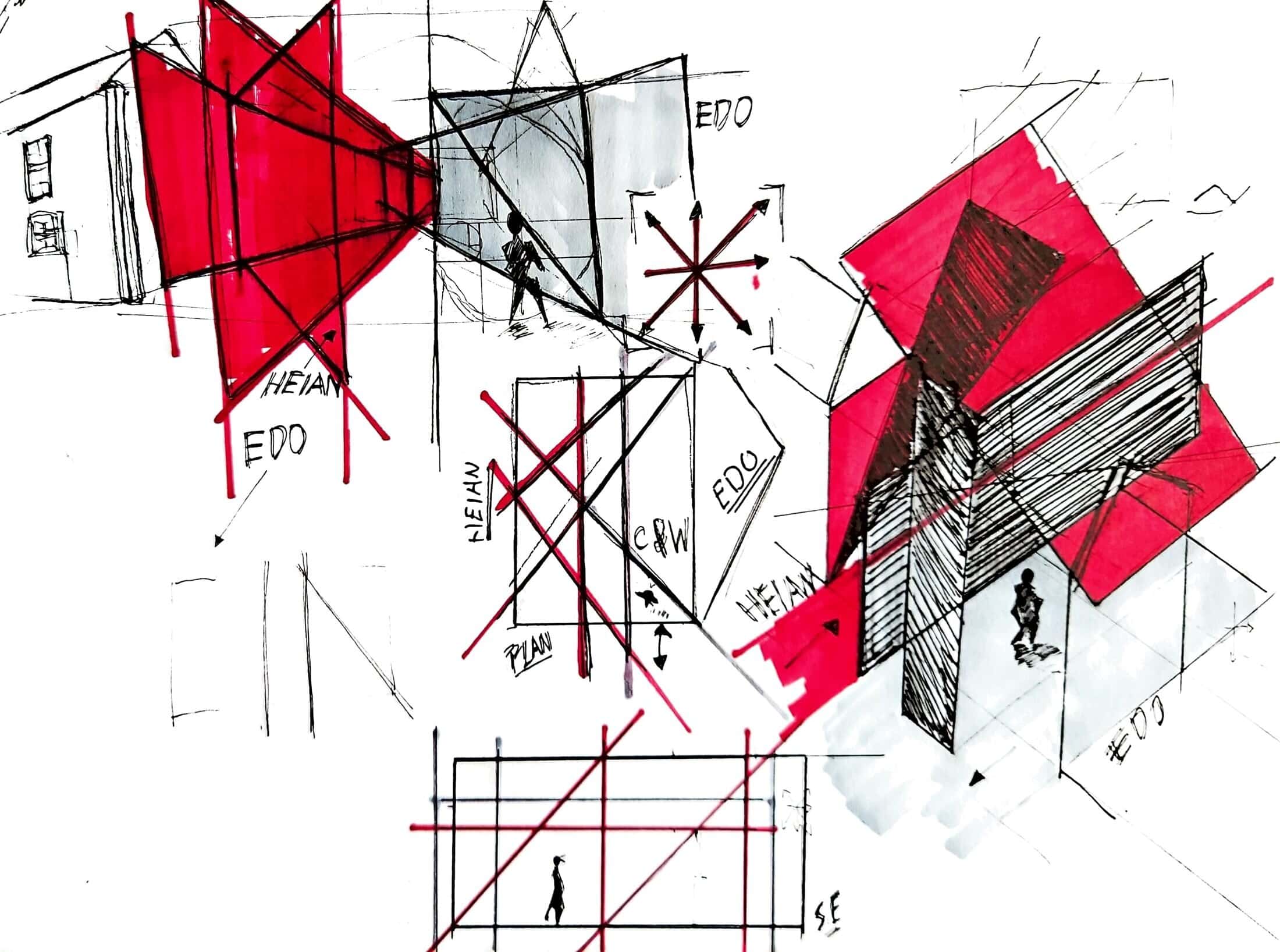
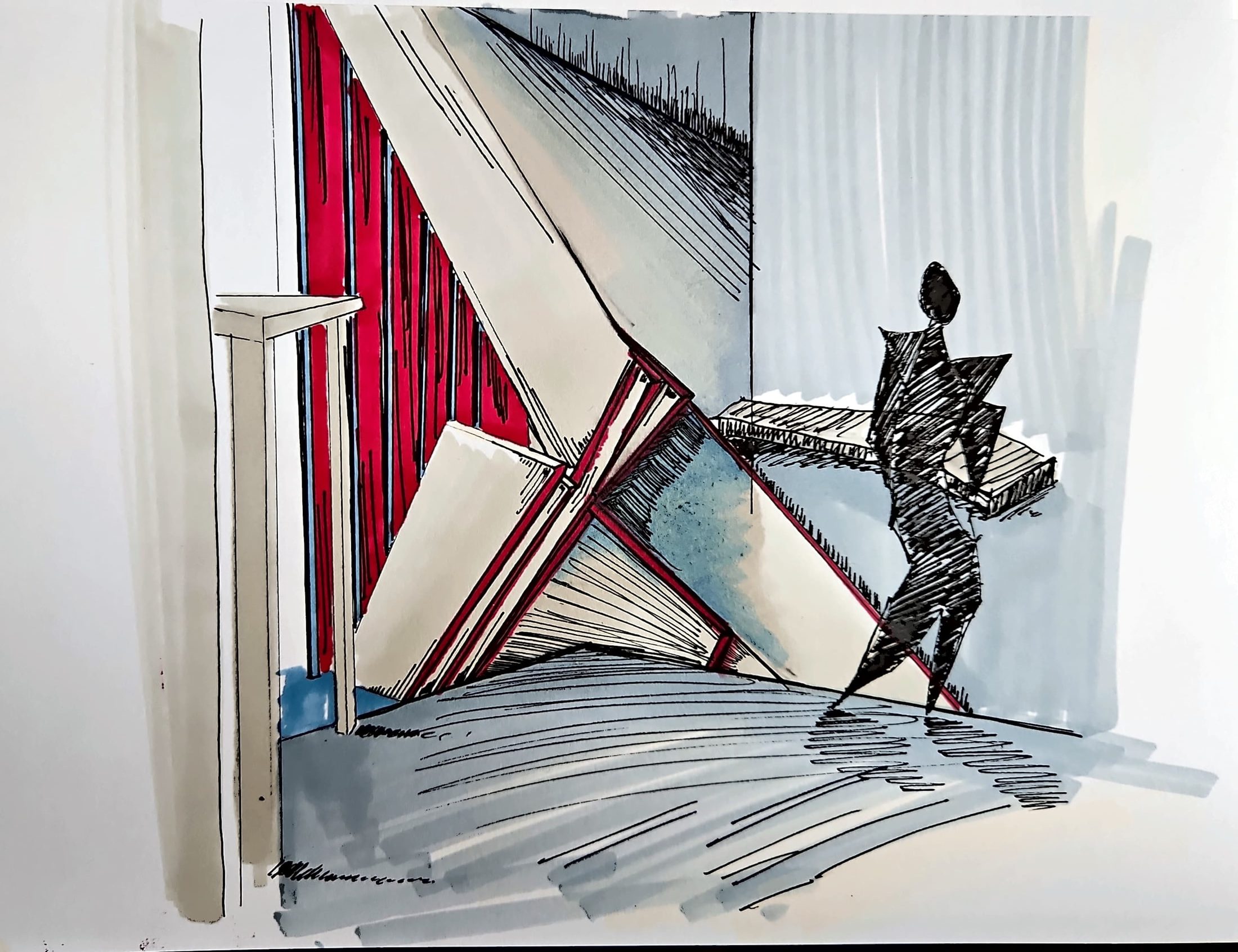
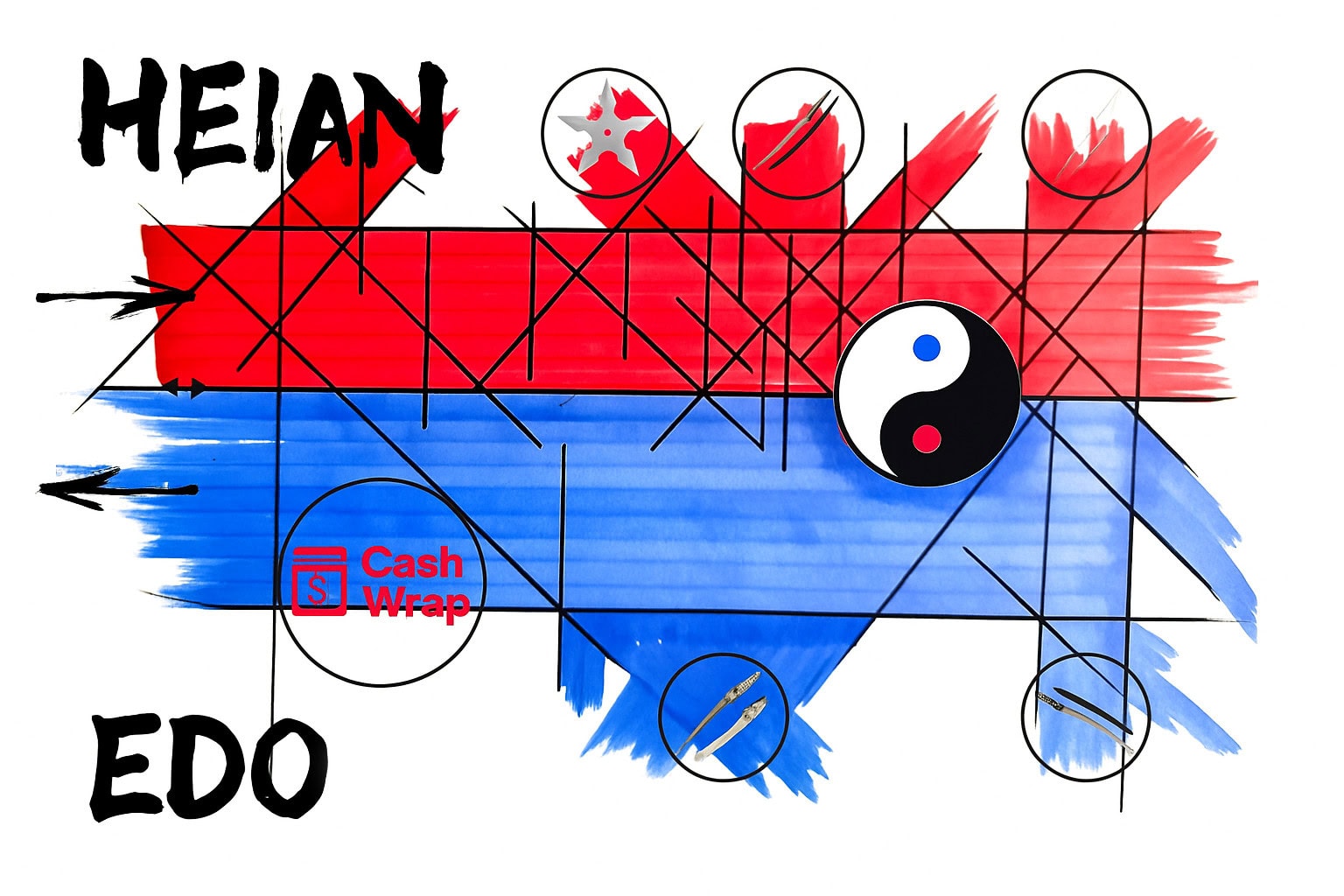
The journey is partitioned into two distinct but connected spatial moods, each resonant with a chapter in Japanese history. The entrance invokes the drama of the Heian period: sharp geometries and compressed spaces are animated by deep shadow and strategic, dramatic lighting — a spatial metaphor for conflict and internal tension. As visitors progress, the architecture softens. The Edo period is expressed via stillness and clarity: volumes expand, materials are refined, and daylight pervades, speaking to peace, mastery, and self-reflection. These transitions are not merely aesthetic — they are integral to the choreography of values embedded in Bushidō.
Context, Contrast, and the Duality of the Samurai
Set between two Georgian façades of conflicting character — one ornate and showy, the other modest and restrained — the project’s context is foregrounded as a conceptual device. The duality inherent in the samurai code (the balance of overt strength and quiet humility) is reflected in architecture that mediates between power and restraint.
Externally, shifts in materiality and form respond to the neighbouring structures. Internally, the contrasts become more psychological: thresholds narrow and then release, light is withheld and then revealed, and movement is choreographed to echo the samurai’s physical and mental discipline.
From Sword Strokes to Spatial Form: Weaponry as Architectural Language
Rather than relying on decorative references, the design distils movement and martial purity into the fabric of the space. Samurai weapons inform the architectural strategy: the katana’s precise motion suggests sharp, uninterrupted planar intersections — spaces of clarity and direction. The symmetry and ritual of the wakizashi are mirrored in spatial sequences and paired forms. For intimacy and focused encounter, the tanto’s close engagement is echoed in enclosed nooks and fine details. The shuriken’s element of surprise arises in hidden transitions and sudden reveals within the plan. The arcing sightlines of the yumi (longbow) extend through the exhibition, creating orchestrated views that reward patience and control.
This formal vocabulary is tested through iterative sketches, maquettes, and light studies. Instead of applying metaphor superficially, metaphor shapes atmosphere, rhythm, and journey — making every “cut” in the building’s geometry a meaningful act.
Material and Light: Crafting Emotional Atmosphere
Materiality resonates with the project’s dual periods. Dark, tactile finishes absorb light in the Heian-inspired arrival, compressing the senses; these shift to pale timber, stone, and translucent panels as the visitor moves into the Edo sequence. Light is deployed with precision, always serving the narrative. Visitors are led from tightly held spaces to rooms of gentle diffusion and release, echoing the emotional journey from conflict towards peace.
Sculpted voids, thoughtfully placed glazing, and ‘cuts’ in the roof and walls allow sunlight to move in concert with the visitor, mirroring the samurai’s internal journey from discipline to mastery.
Recognition and the Road Ahead
The Bushidō Project was recognised by 2LK for the most interesting scheme presented — an accolade that acknowledges not just the formal innovation but the evident rigour with which Callum investigates spatial narrative and atmosphere. Given the growing interest in experience-driven retail and exhibition design, the project stands as a compelling model for how architecture can be rooted in cultural philosophy while still responding to present-day urban and social contexts.
Connecting with Callum Plumb
For those inspired by the potential of architecture to engage myth, ritual, and spatial storytelling, Callum is open to new collaborations, discussions, and opportunities. He invites fellow designers, studios, and cultural institutions to connect via LinkedIn or reach out directly at plumbcallum@gmail.com.


Add a comment