

The Delta Perch by Anusha Bhube explores visitor centre architecture for a natural reserve. The project asks how a building can support public learning while respecting a sensitive ecological setting.
The strongest idea is balance. A visitor centre needs to welcome people, but in a reserve context it also has to reduce disturbance, work with water and frame the landscape carefully.
A visitor centre with a light touch
The project uses raised structures, lightweight intervention and sustainable material thinking to respond to the delta landscape. Rather than imposing a heavy footprint, the architecture is presented as a way to observe, learn and move through the reserve with care.
- Raised elements respond to flooding and site sensitivity.
- The visitor route is part of the educational experience.
- Bamboo, reclaimed timber and green systems support the environmental story.
- The architecture frames nature rather than competing with it.
Why the reserve setting matters
A natural reserve changes the brief. The building has to handle arrival, access, interpretation and shelter, but the landscape remains the main subject.
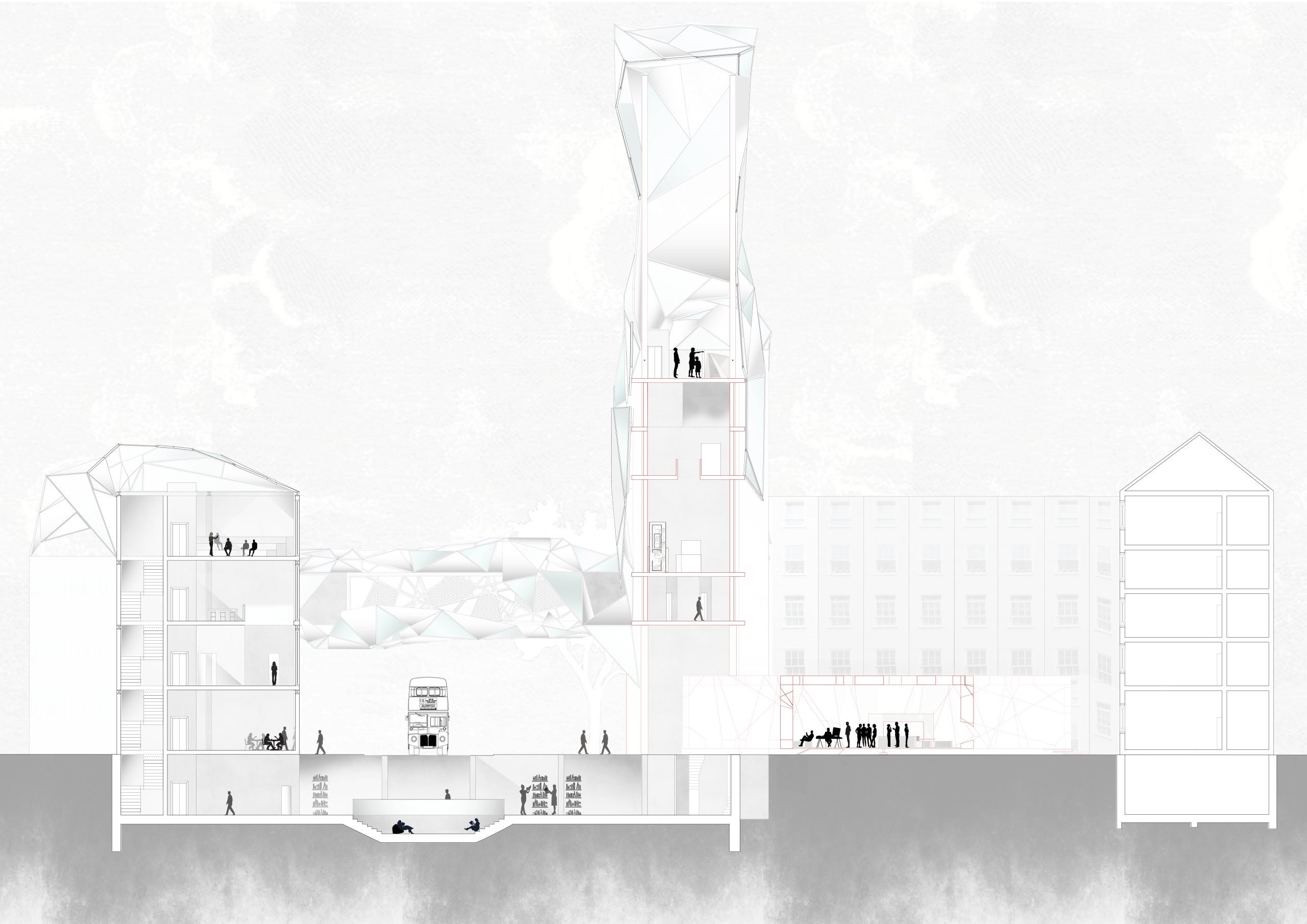
For a portfolio, that means the drawings should show how the centre touches the ground, how visitors move, and where ecology has shaped the design decisions.
Architecture Social view
Stephen would look for evidence that the project is not just using nature as a backdrop. The best ecological projects show exactly how the site changed the plan, section, material strategy and visitor experience.
Show how the project protects the setting
For visitor centre and landscape projects, make the site response visible from the start.
- Explain the ecological condition in plain language.
- Show how people arrive, learn and leave.
- Make water, ground contact and material choices clear.
- Keep the project title and site purpose central.
Next step
Submit your student, graduate or practice project to Architecture Social Showcase if it has a clear site story and useful visual evidence.
If this project has made you rethink your own portfolio or next move, browse current architecture jobs or contact Architecture Social for a recruiter’s view.



Add a comment