
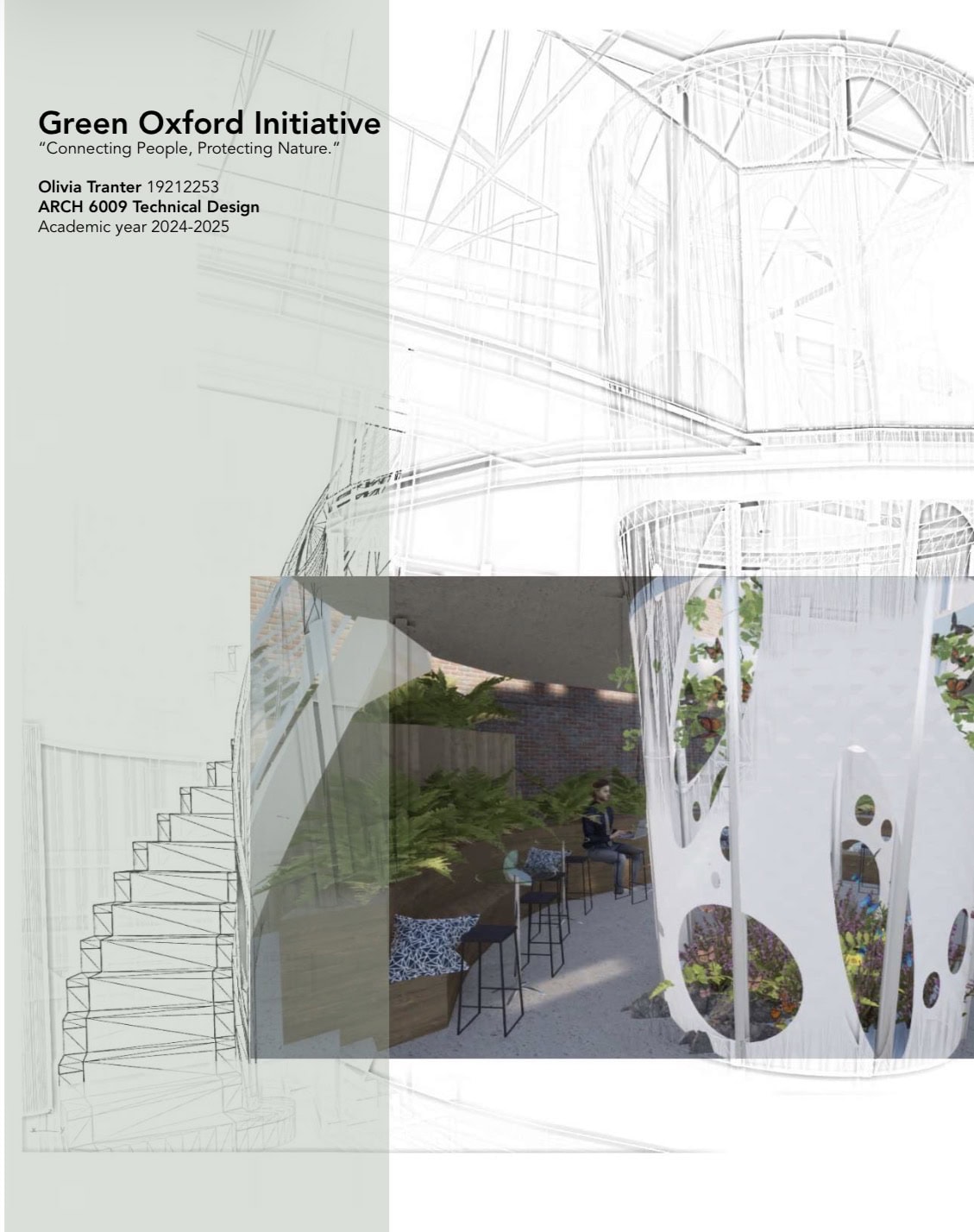
Nature Reimagined: Olivia Tranter’s Microhabitat Office Redefines Wellbeing at Work
Blurring Boundaries: Biophilic Design as a Catalyst for Productivity
In the bustling world of contemporary interior architecture, emerging designer Olivia Tranter stands out for her subtle yet profound approach to shaping human experiences through space. A recent graduate from Oxford Brookes University with a BA (Hons) in Interior Architecture, Olivia has already garnered over two years of hands-on experience in the industry. Her final project—an innovative office microhabitat inspired by theories of biomimicry and biophilia—signals her arrival as a creative force exploring the intersection of nature, technology, and wellbeing in the workplace.
Genesis of the Microhabitat: Theory Meets Application
As contemporary discourse pivots toward employee wellness and environmental stewardship, Olivia’s thesis draws upon biomimicry—the emulation of nature’s models, systems, and elements for problem-solving in design—and biophilic design, which emphasizes humanity’s innate attraction to nature. The result? A microhabitat nestled within the traditional office, thoughtfully conceived to reconnect occupants with the organic world and nurture productivity.
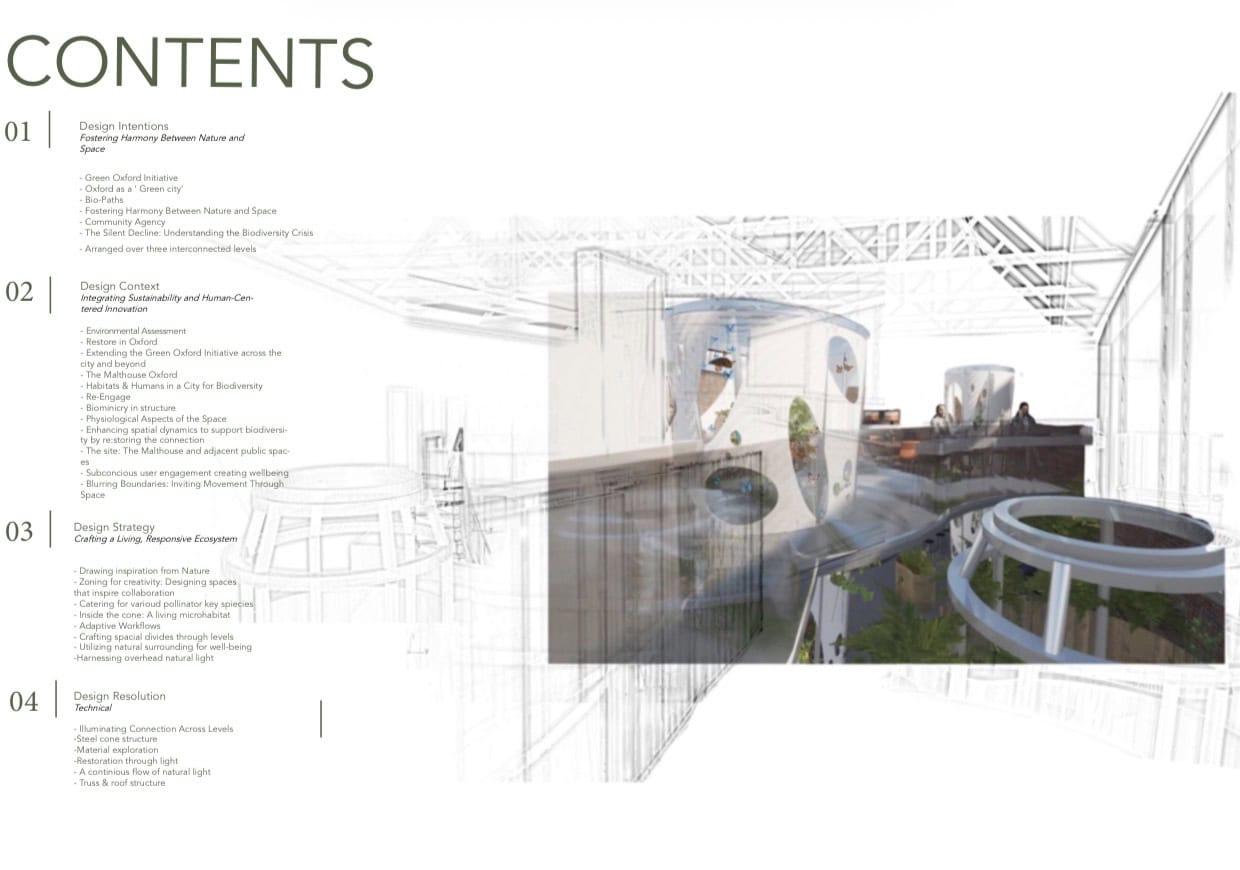
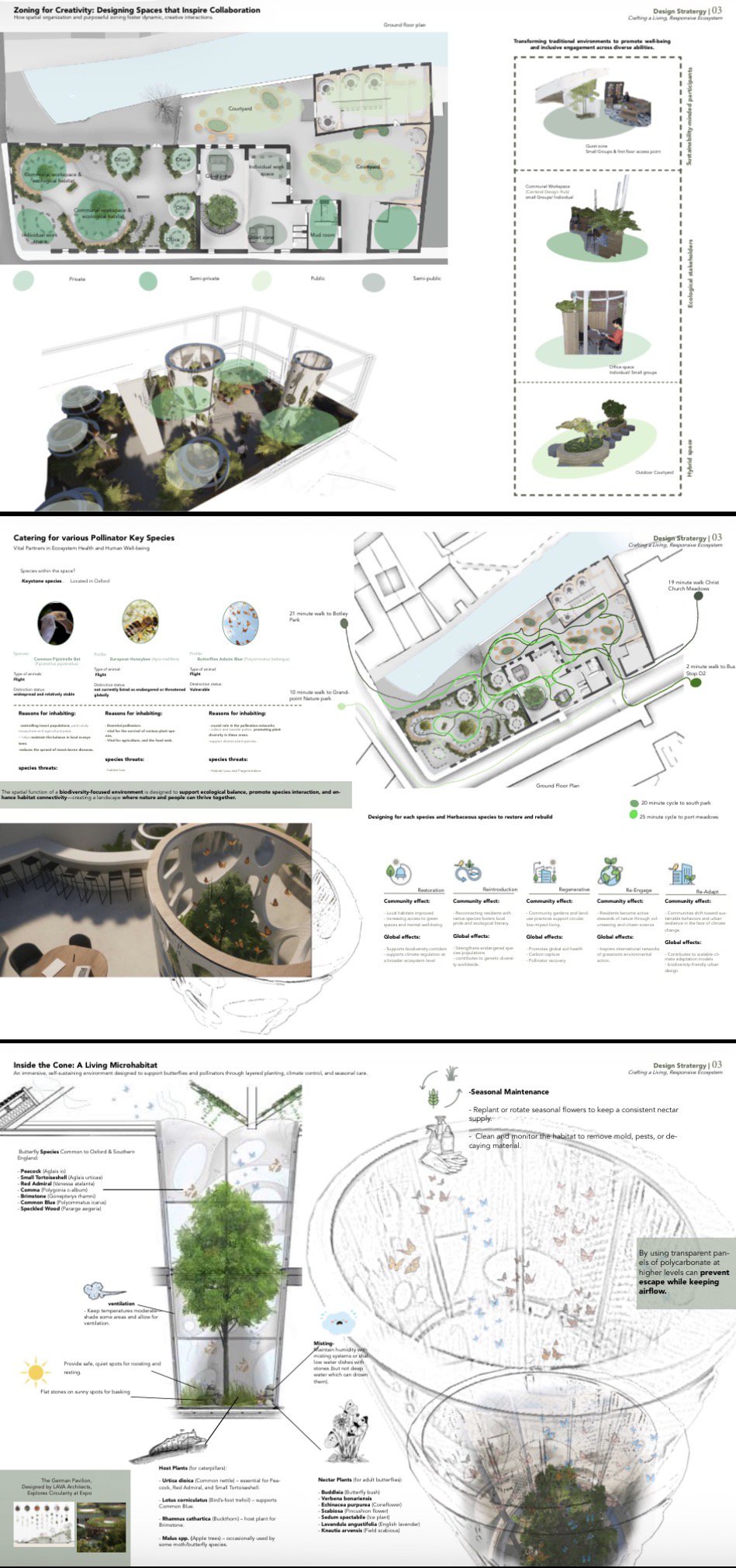
Olivia’s scheme is neither ornamental nor tokenistic. Eschewing the common trend of scattering potted plants, her design integrates living systems directly into the office’s circulatory routes, breakout zones, and focus areas. The microhabitat serves as a vibrant green spine within the workspace, with vegetative walls, indoor ecosystems, and water features that naturally demarcate functions and foster restorative micro-environments. “The aim was to seamlessly intertwine wellbeing and productivity by blurring the line between interior architecture and ecology,” Olivia explains. Inspired by both the honeybee hive and forest ecosystems, her vision fosters not only visual delight but also multisensory engagement.
Design Detailing: A Modular Manifesto
Central to Olivia’s concept is flexibility. The microhabitat modules are engineered for adaptability—capable of being rearranged to suit evolving team needs, or scaled for open-plan or private office typologies. Each unit incorporates sustainable materials and passive systems: reclaimed timber, modular planters brimming with air-purifying plants, and solar-powered lighting that mimics circadian rhythms. Water features double as both stress-relievers and natural humidifiers, their gentle sounds masking the ambient noise of a busy office floor.
What distinguishes Olivia’s project is the attention to daily rituals and ergonomics. “I designed the seating and work nooks to invite both collaboration and solitude, using organic forms and tactile surfaces,” she shares. Ample daylight is ushered in through light wells and strategically placed reflective surfaces, nurturing both flora and focus. Pathways are gently meandering, echoing desire lines found in forest trails and promoting mindful movement throughout the workday.
Healthier Workplaces: From Theory to Evidence
The growing body of research supporting biophilic design is clear: connection to greenery, daylight, and natural patterns can meaningfully reduce stress, heighten creativity, and even improve cognitive performance. Olivia’s prototype integrates these findings within an actionable framework, hoping to inspire corporate clients and designers alike to consider beyond the aesthetics of ‘looking green.’
Her design process involved consultation with environmental psychologists, workplace strategists, and, crucially, end-users. Early feedback from mock-ups highlighted improved mood, increased informal interactions, and a subtle but significant reduction in stress-related complaints. Olivia’s microhabitat isn’t just a skeleton upon which plants hang—it is a living, breathing extension of the organizational ecosystem.
Recognition and Next Steps
Olivia’s project has been met with enthusiasm from faculty and peers, with nominations for design awards within the Oxford Brookes community. While still early in her career, her portfolio is growing, with this microhabitat serving as a touchstone for her evolving practice. “I see this as the beginning—building workplaces where the natural and built environments nourish each other,” Olivia reflects.
Her approach dovetails with broader conversations in architecture journals like RIBA Journal and Building Design, where the future of office design is under continued scrutiny. In a post-pandemic landscape, where hybrid work and wellbeing have become non-negotiable, Olivia’s proposal feels not only relevant but prescient.
Connect with Olivia Tranter
With a firm grounding in theory, a sharp sense of aesthetics, and a clear ambition for sustainably driven innovation, Olivia Tranter is poised for a dynamic role in shaping the next generation of workplace design. Fellow architects, collaborators, and potential employers are invited to connect with Olivia through her LinkedIn profile or by reaching out at Livtranter1103@gmail.com.
As ‘work’ is redefined beneath the canopy of 21st-century design, Olivia’s microhabitat stands as a quietly radical proposition: that a healthier tomorrow is seeded in the spaces we build today.



Add a comment