

Mental Health Biophilic Symbiosis by Devanshi Barot is a student architecture project about wellbeing, prevention and the role of nature in care-led design.
The useful question is not whether biophilic architecture looks calming. It is how natural light, planting, water, material choices and spatial sequence can support mental health in a practical way.
Project gallery
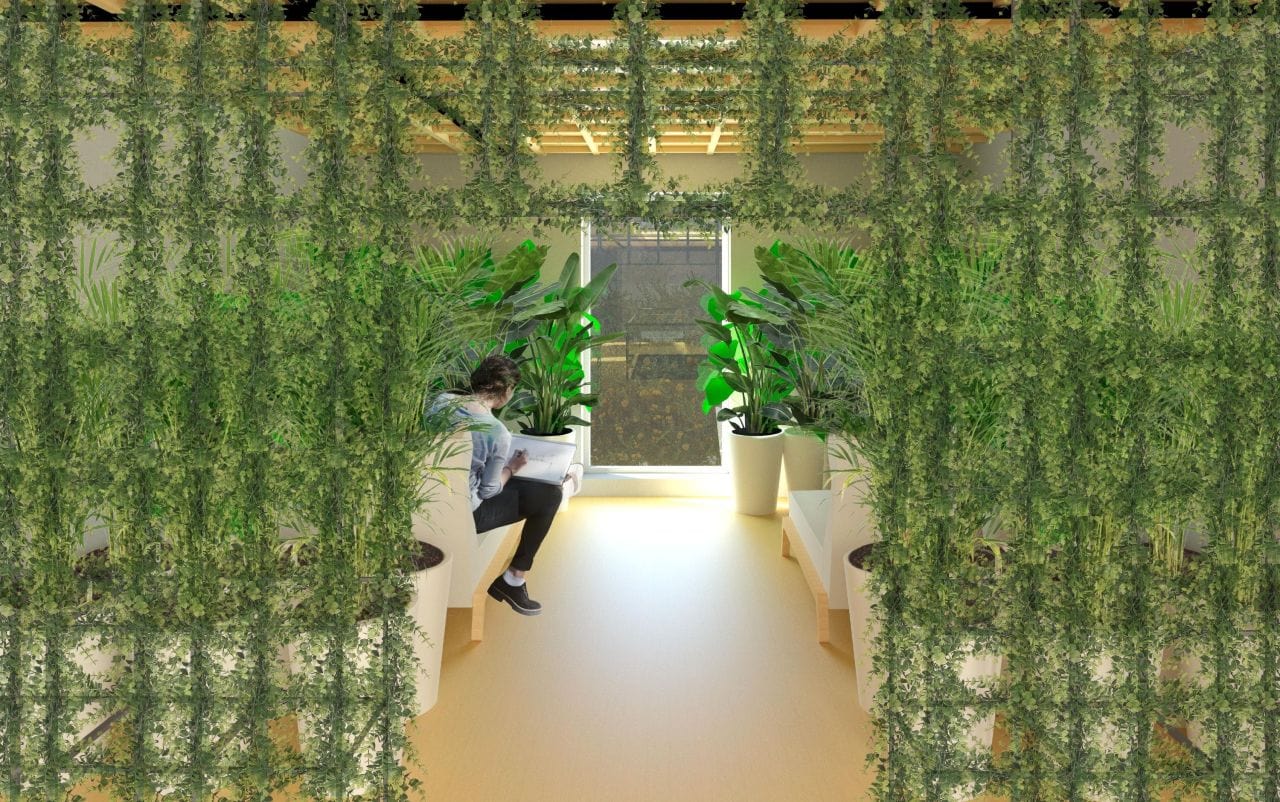
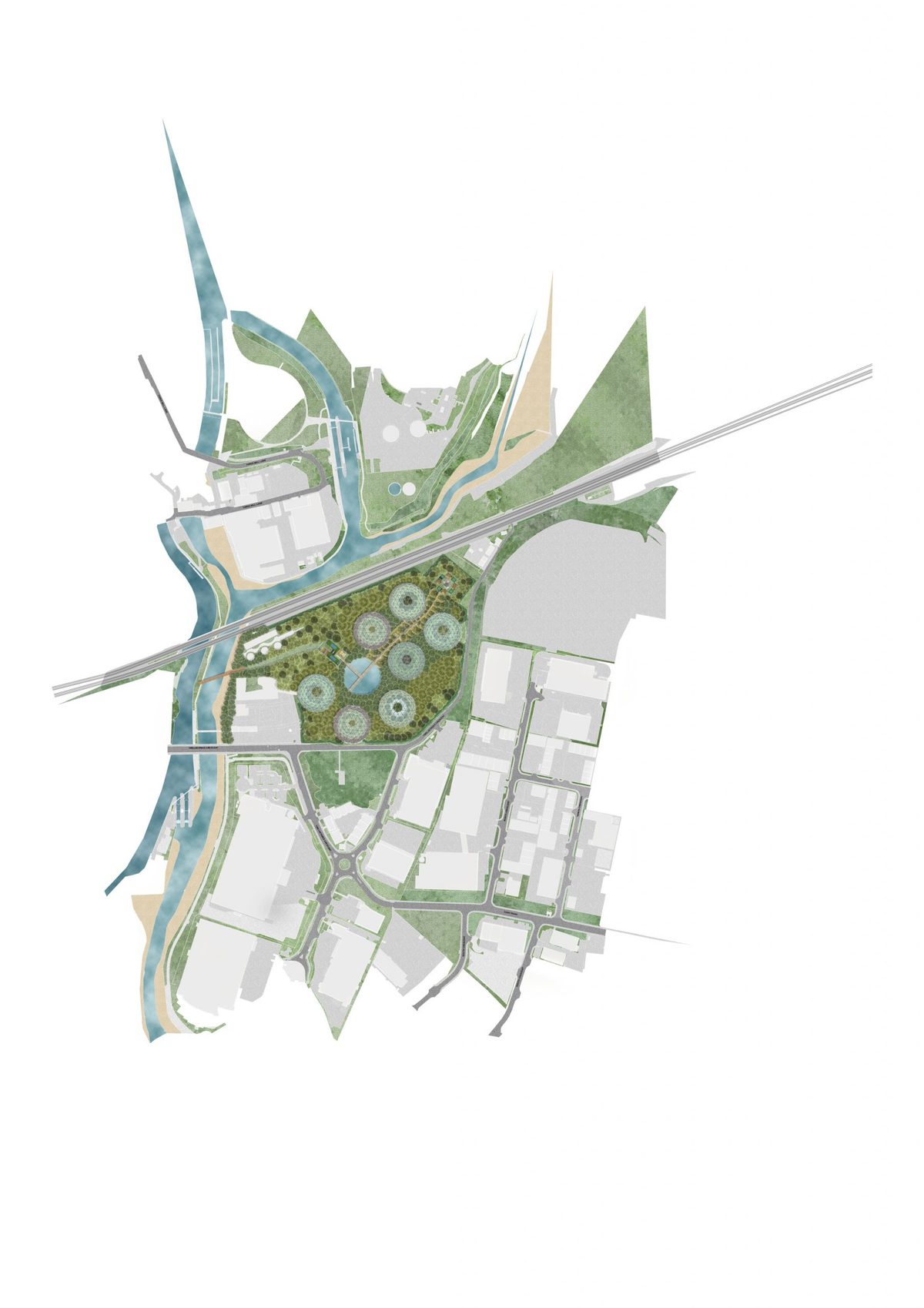
The project gallery sits near the top so the visual work leads the article, with landscape, interior and atmospheric images supporting the wellbeing argument.

Project overview
Devanshi Barot’s project explores a model of care that uses biophilic design to support mental and physical wellbeing. The original article frames the work around flexible alternatives to traditional treatment and the need to reduce stigma around mental health.
That makes the project stronger than a generic green-building exercise. It is trying to connect environment, community and care.
What makes the thesis useful to study
- The project links biophilic design to a clear wellbeing purpose.
- It looks at prevention and support, not only treatment.
- Landscape, light and interior atmosphere are part of the care model.
- The project asks how architecture can support dignity and confidence.
Portfolio lesson
Biophilic projects can become vague if the portfolio only talks about nature. Explain the mechanism: what the plant, courtyard, light, water or material choice changes for the user.
Showcase a wellbeing-led project
Architecture Social can feature student projects where wellbeing, healthcare, landscape or community care are explained through clear design evidence.
- Show the spatial strategy, not only the green imagery.
- Explain who benefits from the project.
- Use diagrams, sections or atmosphere images to prove the idea.
- Connect the design to daily experience and mental wellbeing.
Architecture Social view
Stephen’s recruiter view is that wellbeing-led projects are strongest when they stay practical. Practices need to see how the idea affects planning, programme, detail and the user experience.
Next step
Explore more Architecture Social projects, read the portfolio guide, or submit your own student project.
If this project has made you rethink your own portfolio or next move, browse current architecture jobs or contact Architecture Social for a recruiter’s view.


Add a comment