

Old Waterfront Jewellery Factory by Saman Sabzabadian turns electronic waste into the starting point for architecture, craft, public education and community reuse.
The project is useful because it makes recycling visible. Instead of hiding e-waste processing away from the public, it asks whether the process can become a civic and creative destination.
Project images
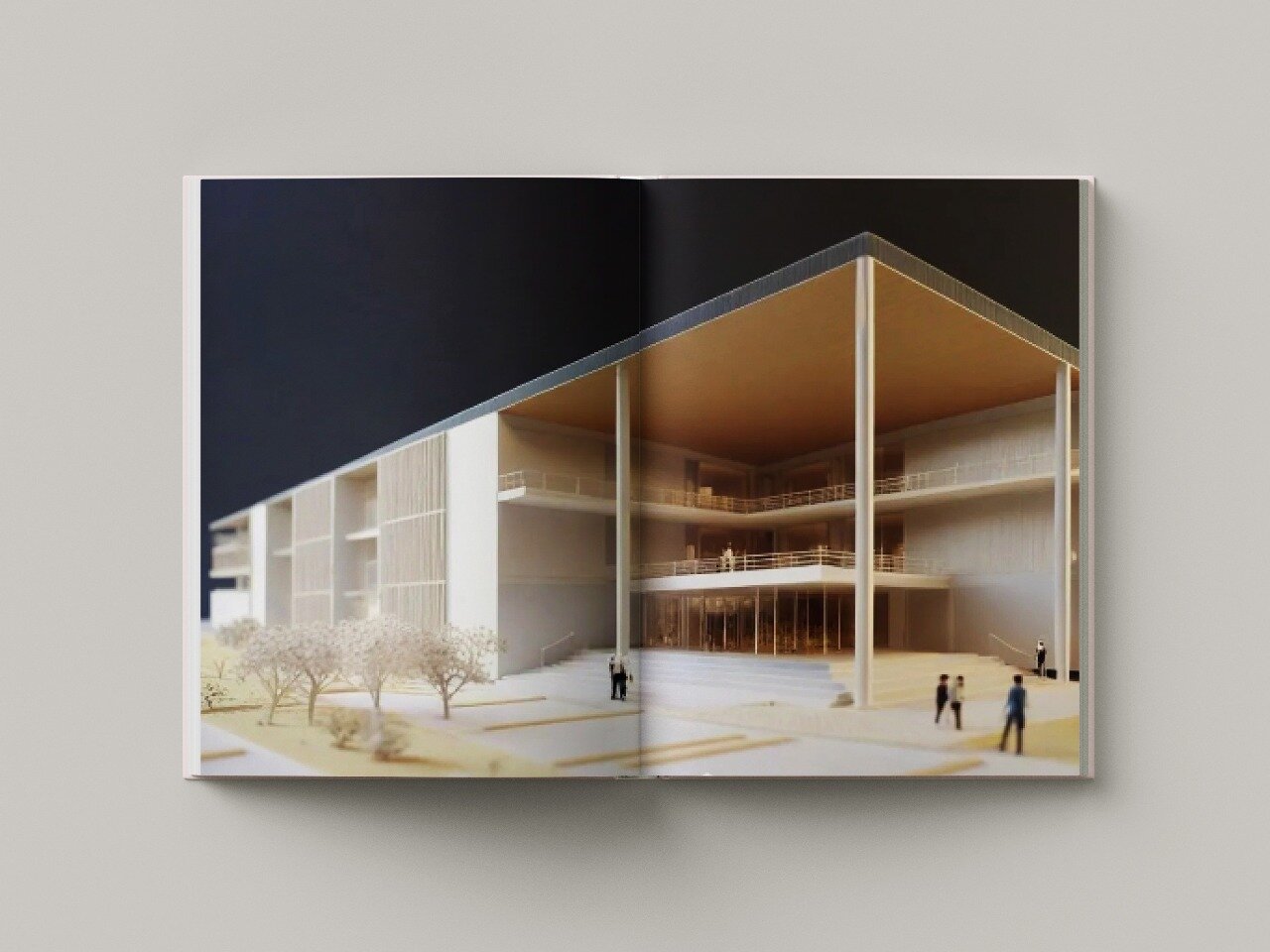
The project drawings show the factory section and production logic, helping the e-waste idea become a spatial proposal rather than only a concept.


Project overview
Saman graduated from the University of Greenwich with First Class Honours and received an award for Outstanding Achievement in Architectural Design – Part I.
His Old Waterfront Jewellery Factory proposes an electronic waste recycling facility at Swan Wharf, bringing local communities, tech startups and artists into the process of turning discarded electronics into jewellery.
What makes the recycling idea architectural
- The project treats waste processing as a visible civic process.
- Jewellery making gives the recycled material a clear public outcome.
- Workshops create a route for learning and participation.
- Gallery space helps people understand the life cycle of e-waste.
- The waterfront setting gives the project a regeneration and public-realm angle.
Why the project has a stronger story than generic sustainability
A lot of sustainability projects become vague because they use the right language but do not show the process. This proposal has a clearer hook: unwanted electronics become precious material, craft, learning and public engagement.
Showcase a material reuse project
Architecture Social can feature student work where circular design, waste, craft, retrofit, public learning or environmental responsibility are explained through real spatial evidence.
- Show the material journey.
- Explain the public or community benefit.
- Make the process legible in section, plan or diagram.
- Connect the sustainability claim to the architecture.
Architecture Social view
Stephen’s recruiter view is that sustainable architecture has to be more than a label. The strongest portfolios show what changes, who benefits and how the drawings prove the environmental idea.
Next step
Explore more student projects, read the portfolio guide, or submit a recycling architecture project.
If this project has made you rethink your own portfolio or next move, browse current architecture jobs or contact Architecture Social for a recruiter’s view.



Add a comment