
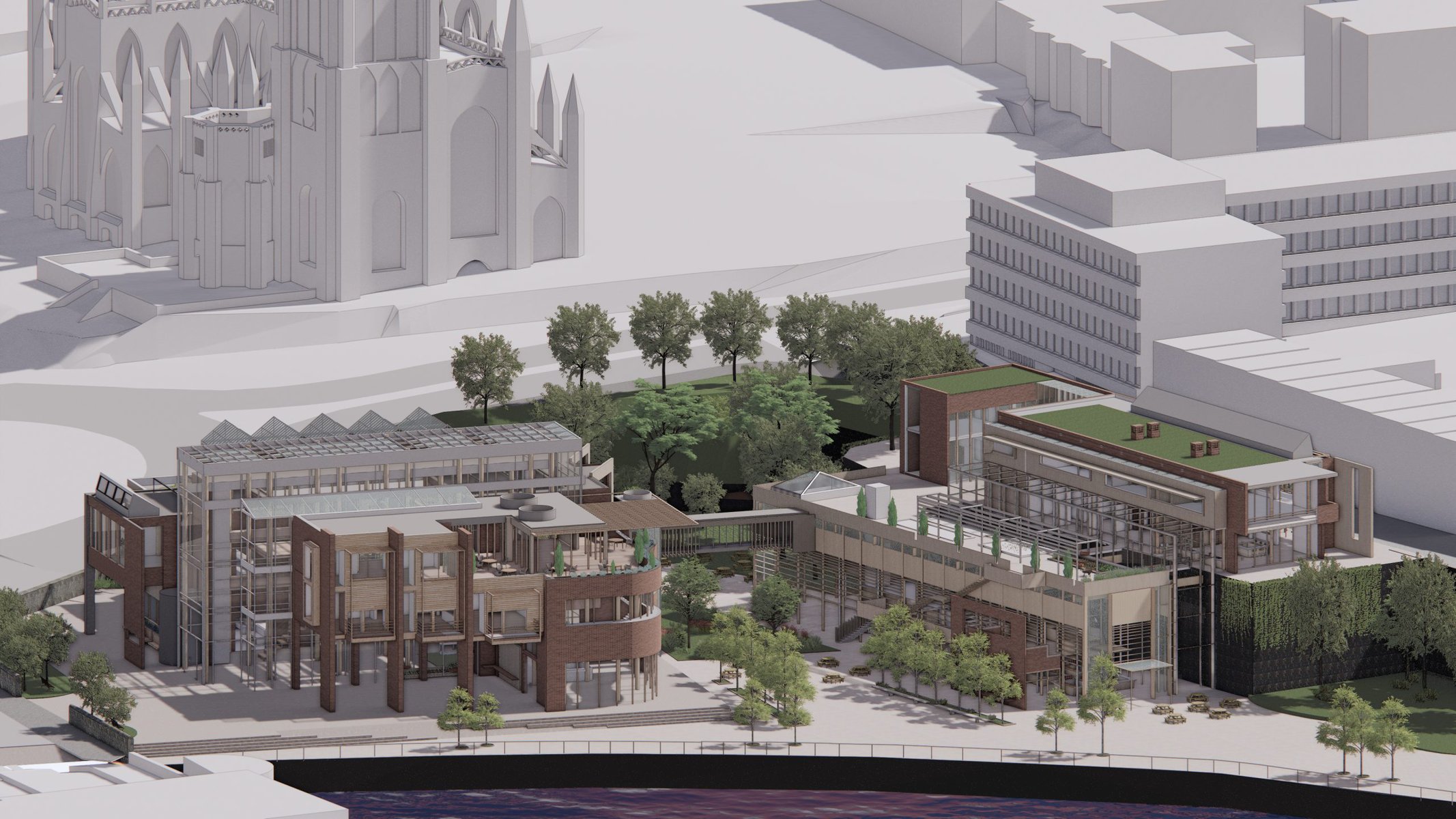
Redcliffe Roots by Chloe Derbyshire explores urban agriculture architecture as a way to reconnect city life with food production, learning and community space.
The project, also called Farm for Thought, reimagines Redcliffe as a place where overlooked urban land can become productive, educational and socially useful.


Project focus
The thesis asks how a city can become productive again without losing its urban character. Agriculture, public route, education and community infrastructure are treated as connected parts of the same city system.
Design ideas to notice
- Urban agriculture is framed as civic infrastructure, not a decorative garden.
- The site’s routes and axial lines shape movement through the project.
- Food production becomes a way to teach, gather and strengthen community life.
- The awards and nominations point to the strength of the urban design and sustainability argument.
Portfolio lesson from this project
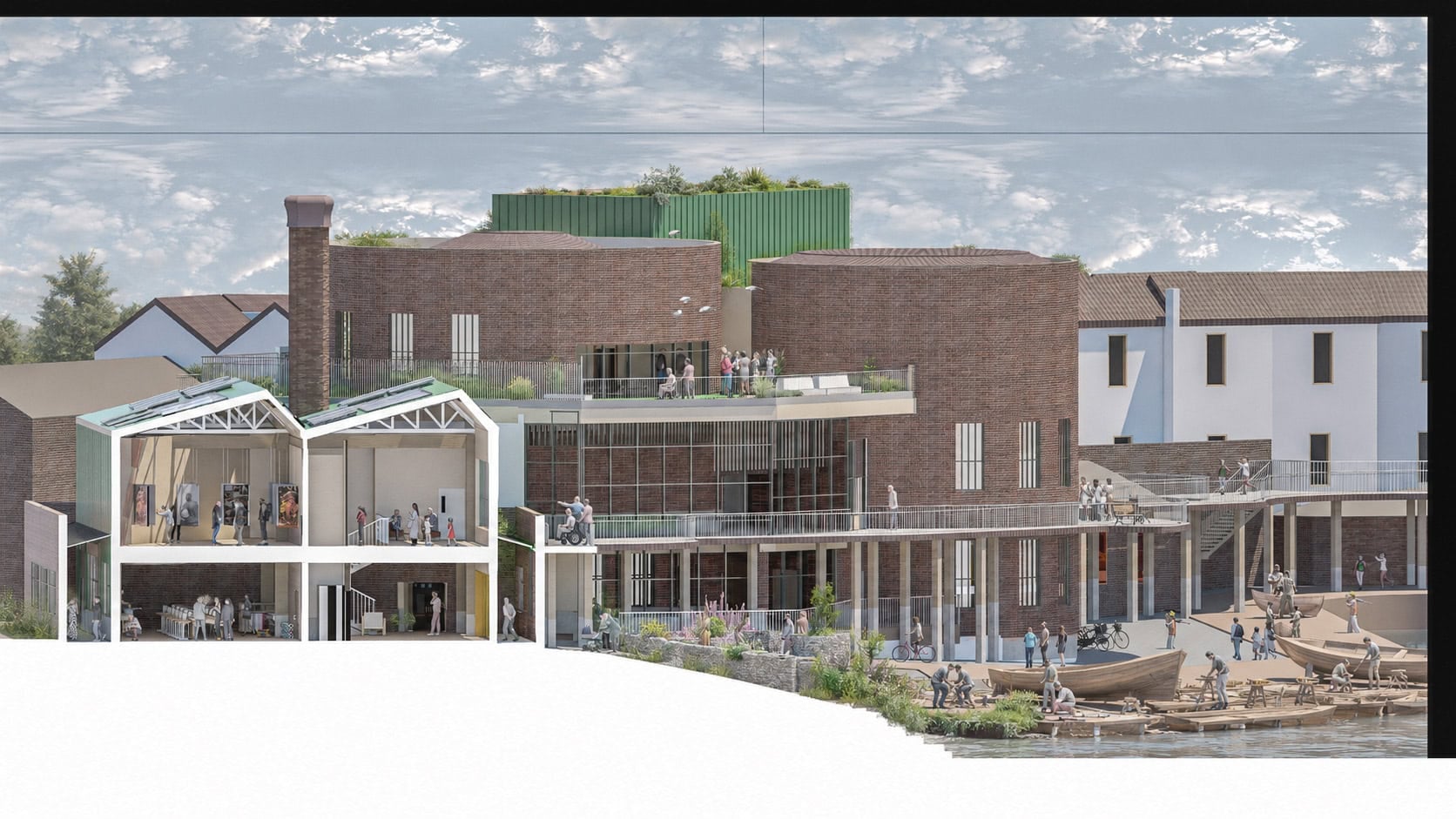
Sustainability projects are more convincing when they show a system. Redcliffe Roots works best when the reader can see what is grown, who uses it, how people move through it and how the city benefits.
Showcase an urban agriculture project
If your project connects food, landscape, public space or education, show how the system works.
- Explain what is grown or produced.
- Show the public route and community use.
- Connect sustainability to a clear spatial strategy.
Next step
Explore more project work in the Architecture Social Projects directory, or submit your own project for the showcase.
If this project has made you rethink your own portfolio or next move, browse current architecture jobs or contact Architecture Social for a recruiter’s view.




Add a comment