

Self Excavation by Ekunremi Oyekan explores wellness architecture through identity, sanctuary, material expression and the body in space.
The project is strongest when it connects the concept to physical decisions: curved plans, tactile surfaces, a cliff-edge pool, protective masonry and materials that carry emotional weight.
Project images
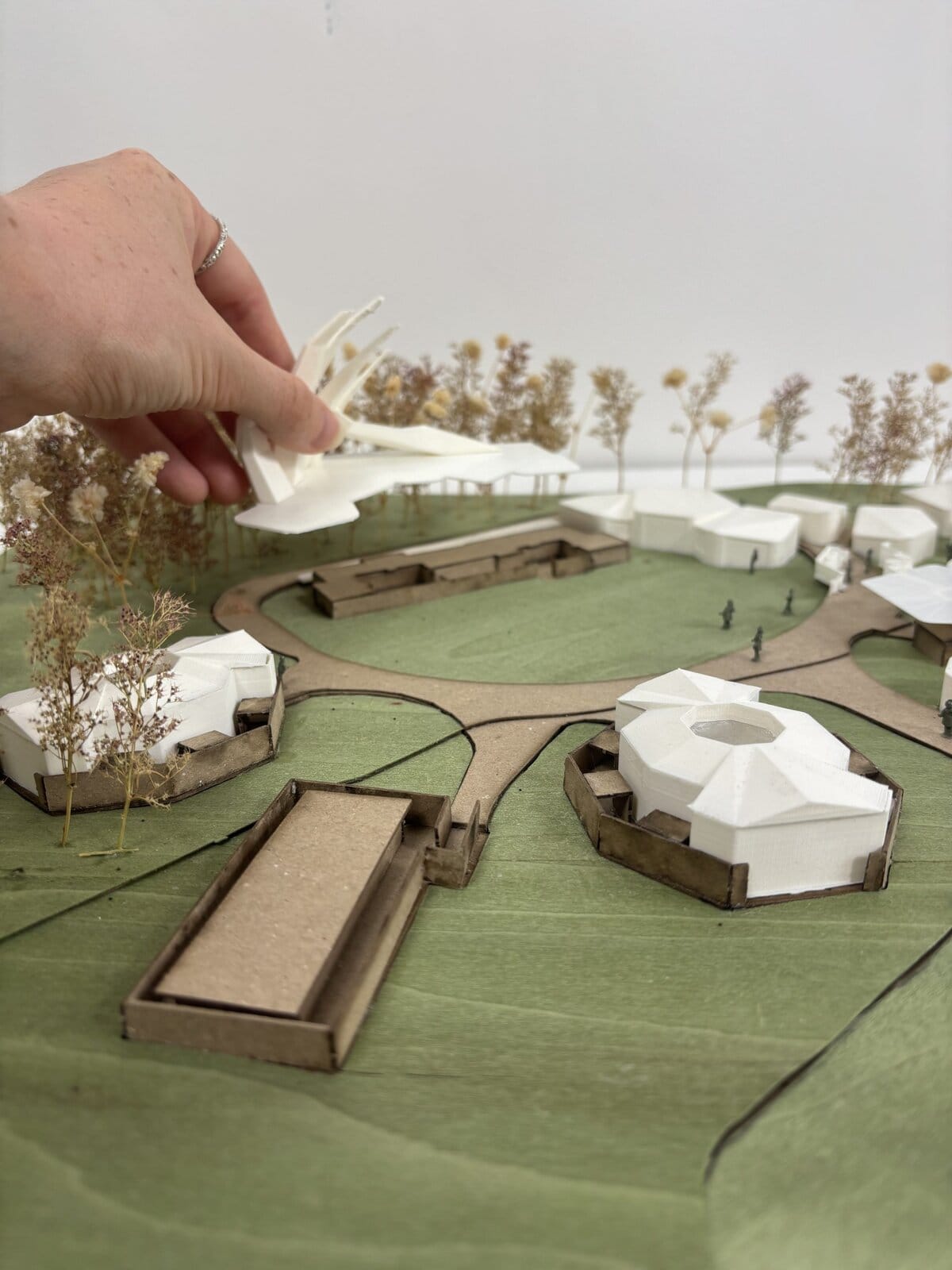
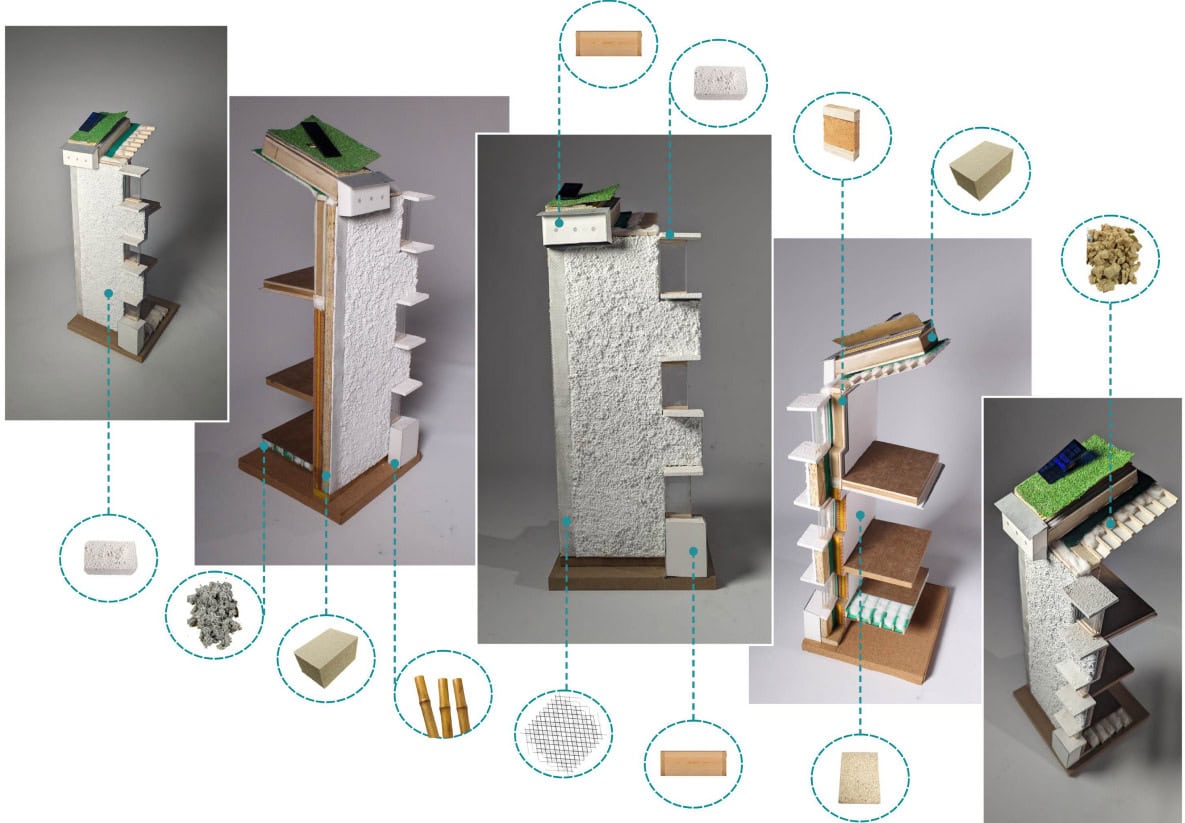
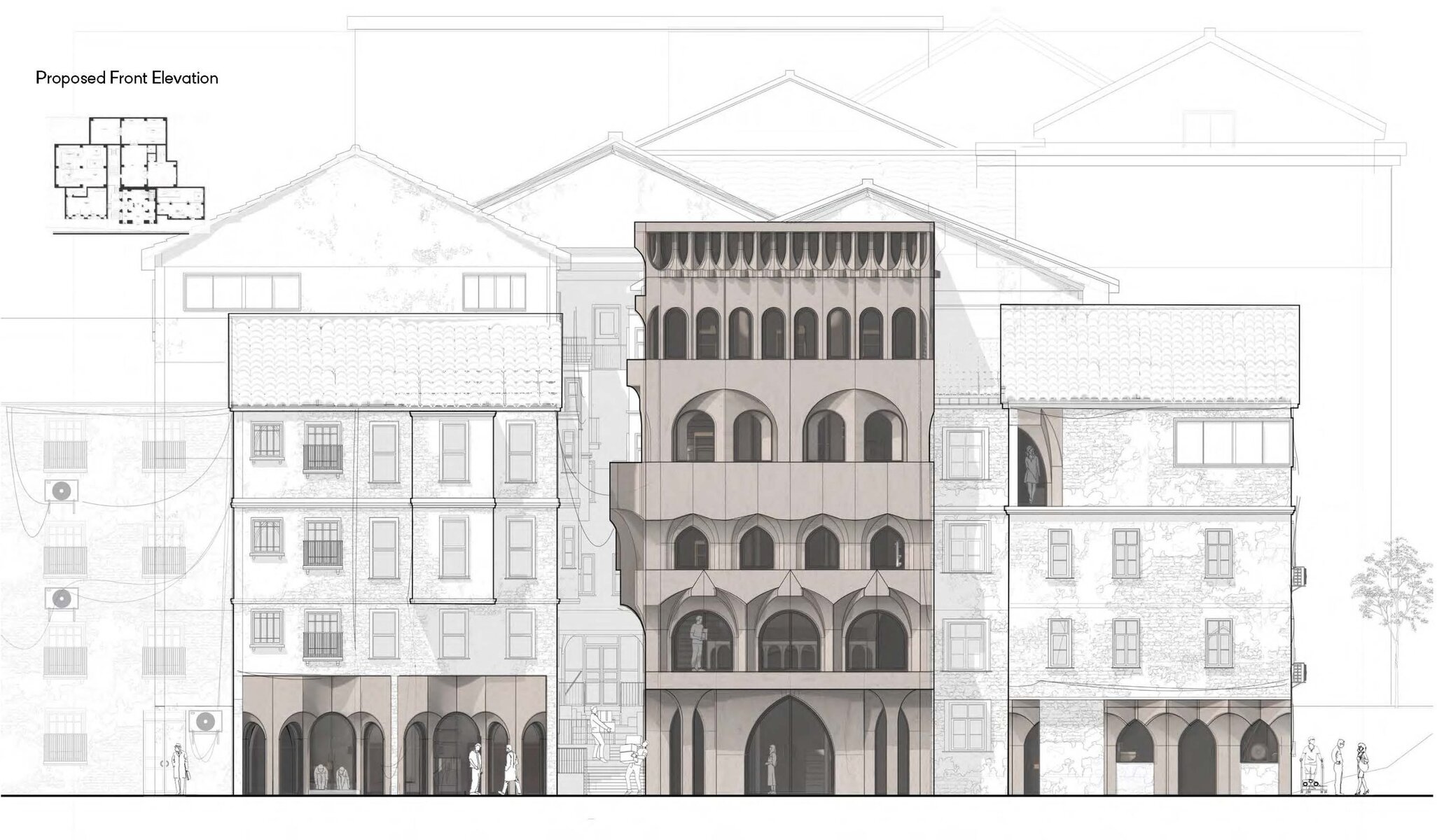
The visuals show model, section and landscape thinking, giving the project a stronger spatial reading than a concept statement alone.

What the project explores
The thesis uses excavation as both a design method and a metaphor. It is about uncovering identity, but also about how architecture can hold vulnerability, reflection and personal agency.
- Curved plans encourage movement by touch, sight and bodily awareness.
- The sanctuary programme focuses on women and self-reflection.
- A cantilevered pool introduces exposure, risk and release.
- Site-excavated chalk gives the architecture a grounded material language.
- Copper and heavy masonry bring sensitivity, protection and coastal resilience into the design.
Concept needs architectural proof
Projects about identity can become abstract if the drawings do not show how the idea changes the building. Self Excavation is more useful when it is read through the specific spatial moves: edge, enclosure, material, water and threshold.
That makes the project relevant for anyone building a portfolio around wellness, sanctuary, gendered experience or emotionally charged architecture.
Connect the project to portfolio evidence
The project works best when the conceptual language is paired with drawings, models and clear captions.
Portfolio lesson
If you have a highly conceptual project, give the reader a route through it. Start with the human problem, then show the plan, section, material and atmosphere that make the concept real.
Architecture Social view
Stephen’s recruiter view is that conceptual portfolios can be brilliant, but only when the reader is not forced to guess the architecture. Strong captions and clear project sequencing make the idea easier to trust.
Showcase a conceptual or wellness project
If your work is personal, emotional or concept-heavy, make the architectural evidence visible.
- Explain the human issue behind the concept.
- Use drawings to show how the idea changes the space.
- Show material and environmental choices clearly.
- Keep captions practical enough for someone outside your studio.
Next step
Browse more project showcases, read the portfolio guide, or submit your own architecture project.
If this project has made you rethink your own portfolio or next move, browse current architecture jobs or contact Architecture Social for a recruiter’s view.




Add a comment