
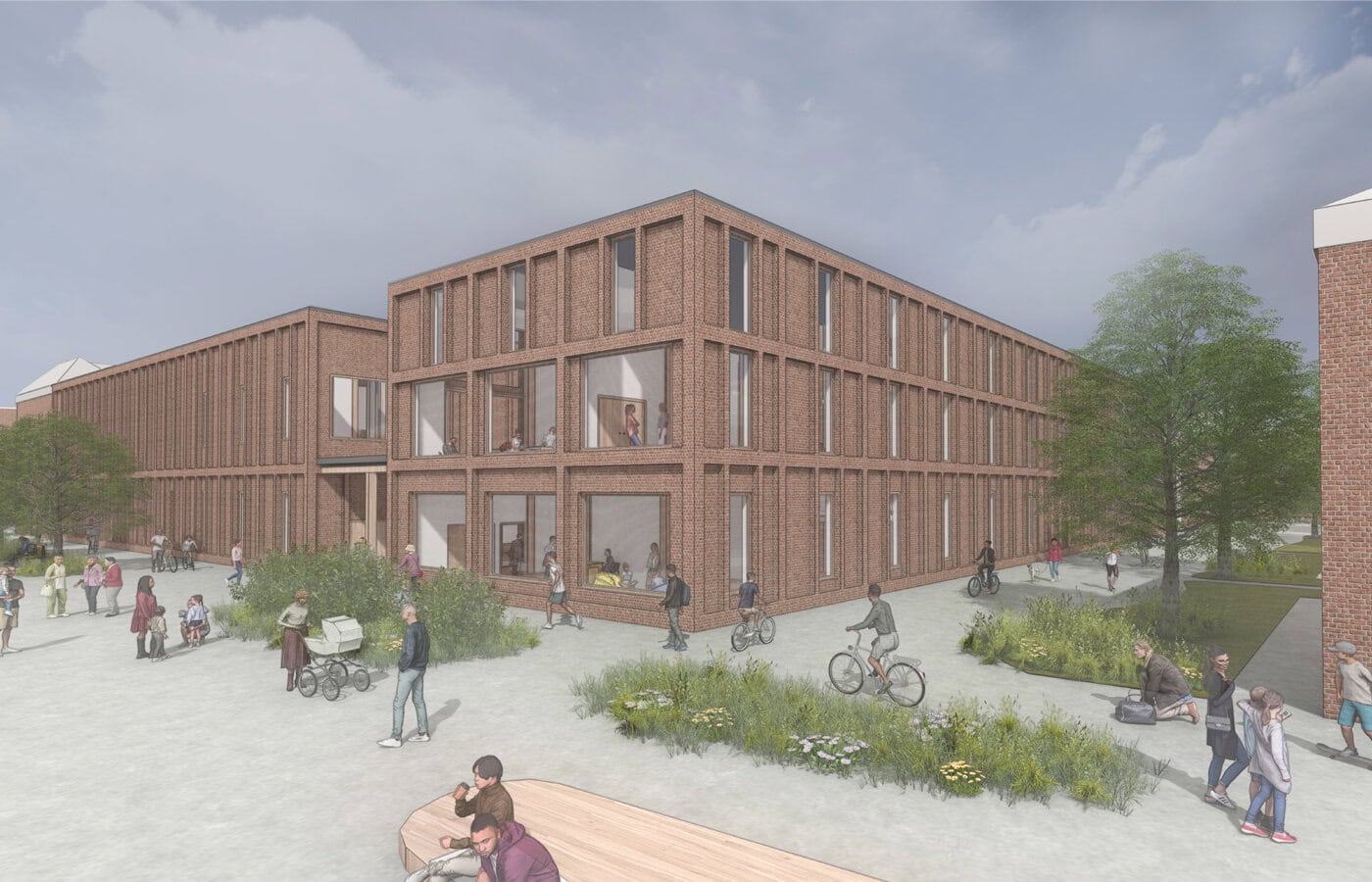
Hannah Finnigan-Moffat’s Sustainable Textiles Centre is a student project about circular making, Nottingham’s Lace Market and how textile heritage can support a more sustainable public future.
The proposal, titled New Cycle, turns the idea of sustainable fashion into an architectural brief: workshops, classrooms, studios and community spaces where repair, making and local enterprise can sit together.
Project gallery
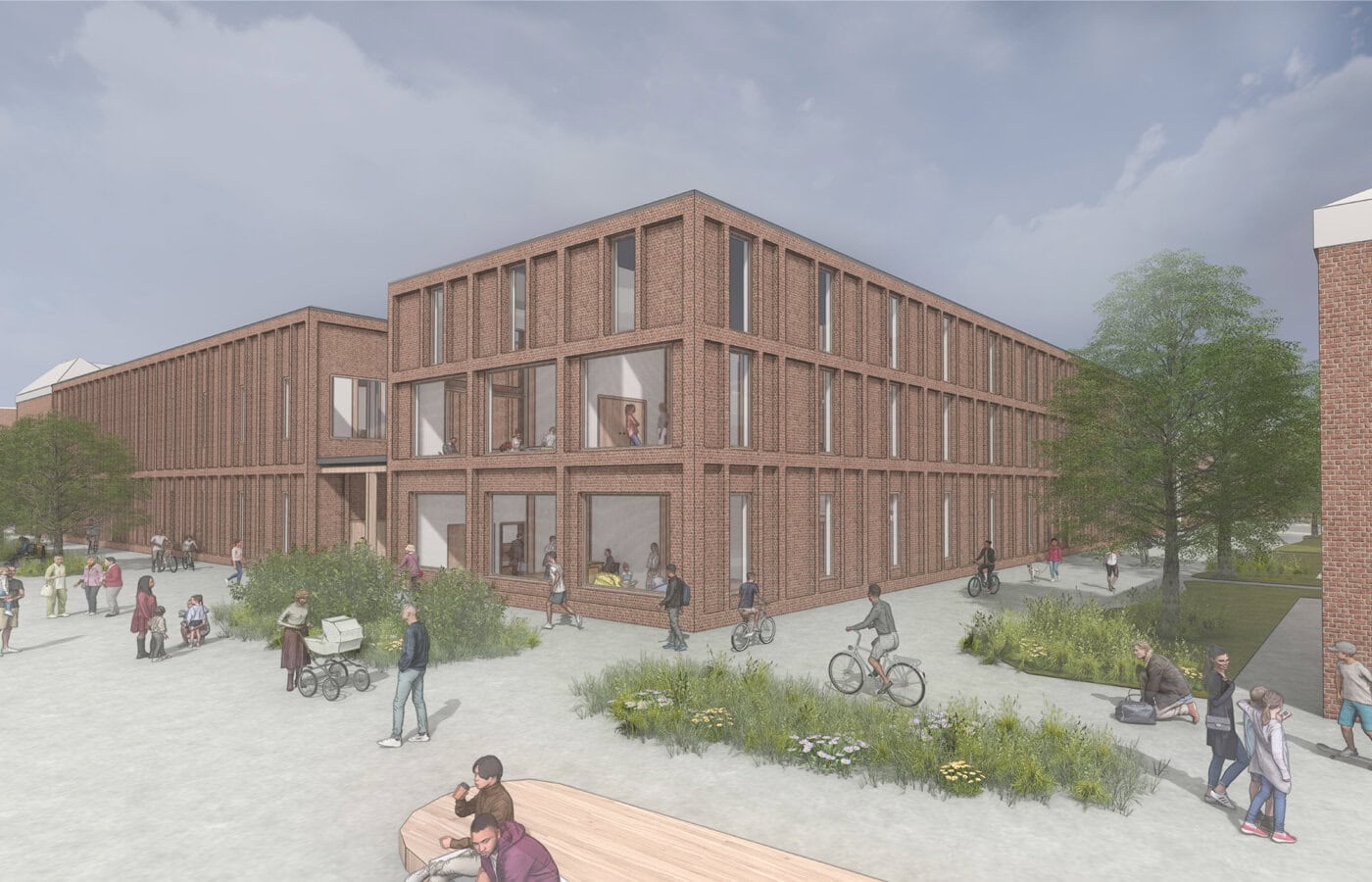
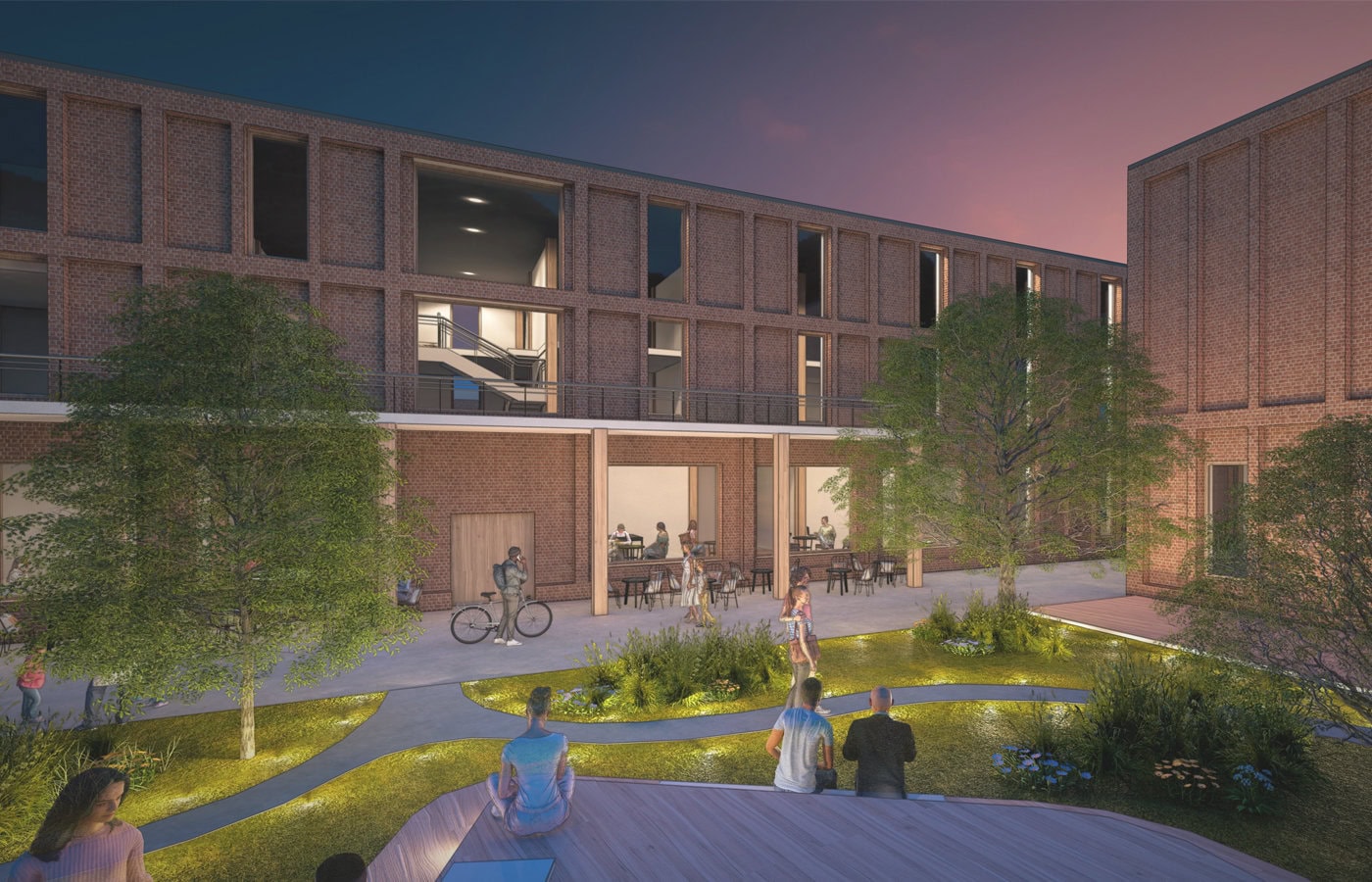
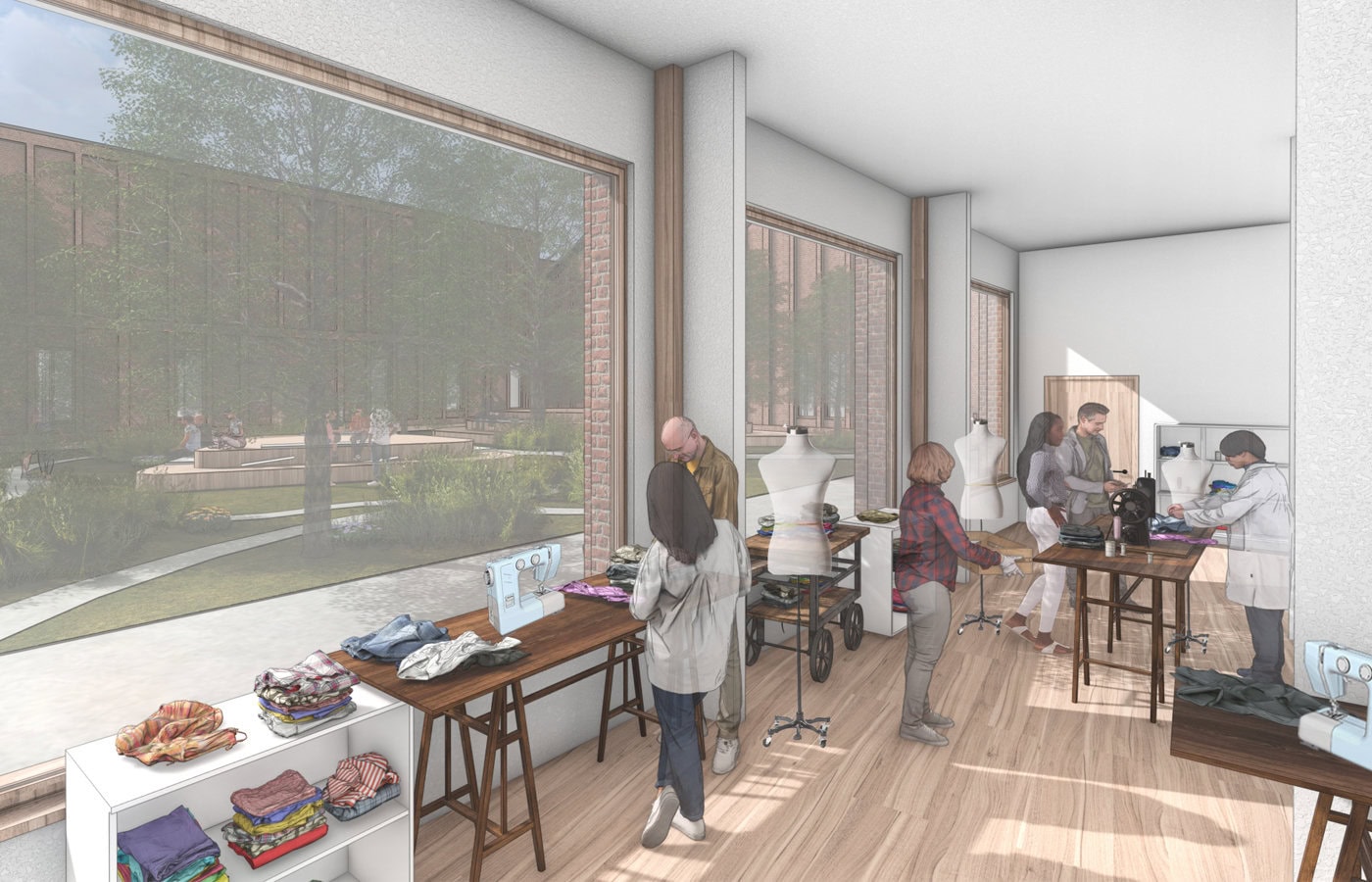
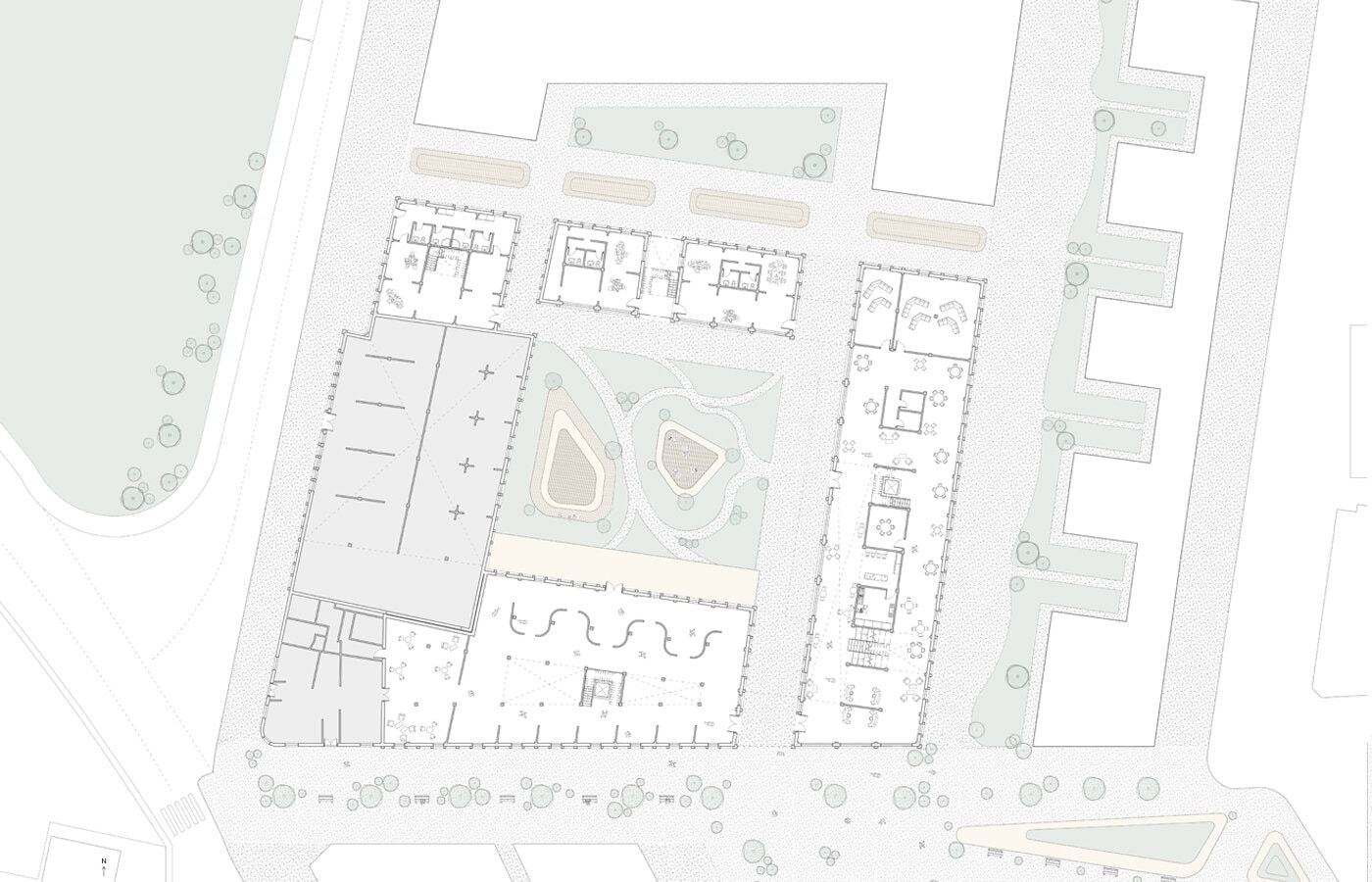
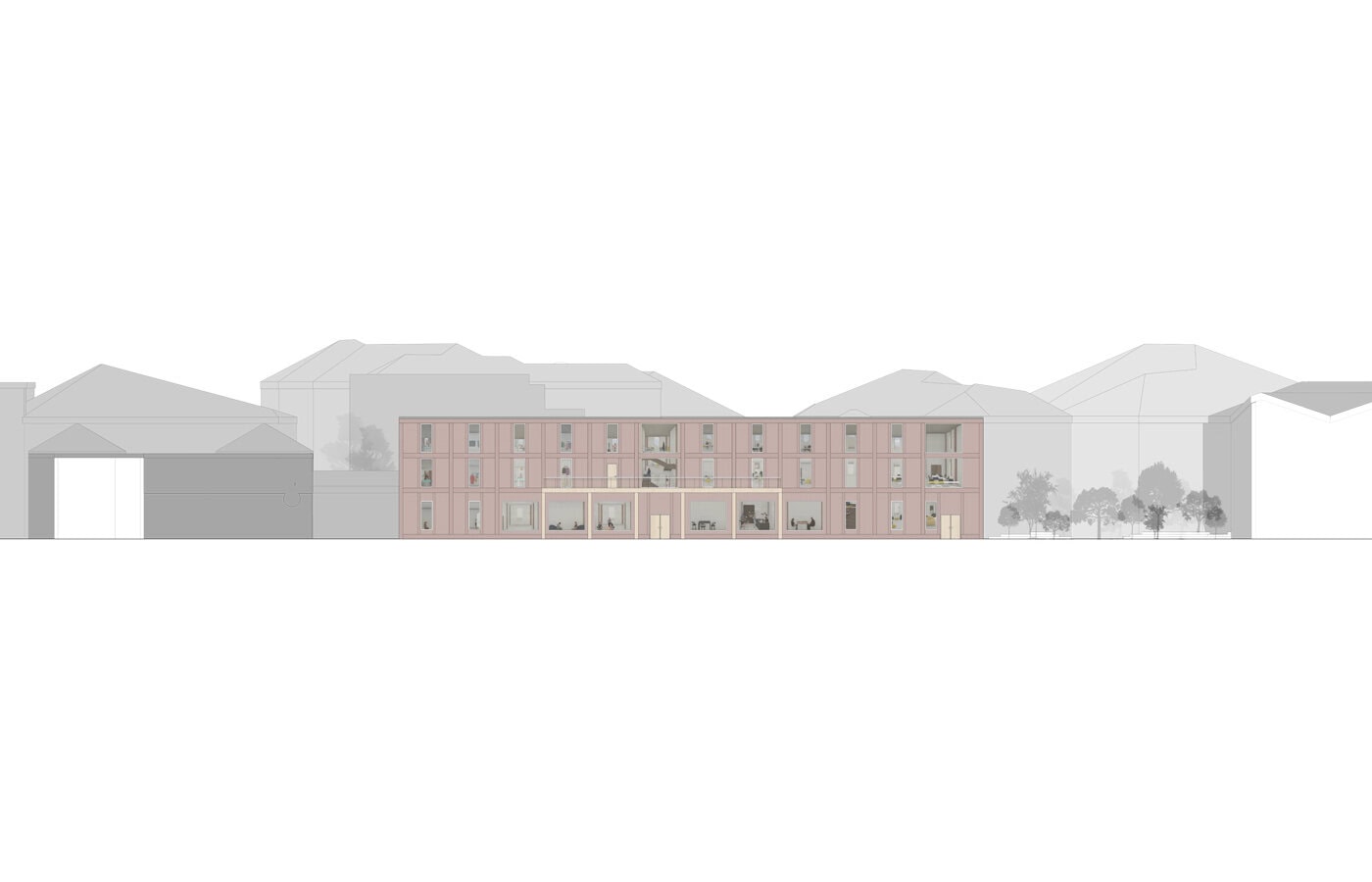
The gallery shows how the project uses massing, material reuse and open learning spaces to connect the Lace Market’s heritage with future textile production.
Project overview
Hannah is a University of Nottingham architecture graduate. Her final-year project is set in the Lace Market, where the city’s textile history gives the proposal its starting point.
Rather than treating heritage as something static, the project asks how an old industrial identity can become active again through circular fashion, skills, making and community learning.
Circular design strategy
- 52% of the proposal uses bricks salvaged from existing onsite structures.
- Additional masonry is sourced locally where possible.
- Repair workshops and classrooms make sustainability practical and visible.
- Studios support textile startups, local businesses and makers.
- Courtyards and shared spaces connect public learning with production.
Why the textile brief works
A sustainable textile centre is useful because it makes the environmental argument specific. The reader can understand what is being repaired, who uses the building, where the material comes from and how the local economy could benefit.
Showcase a sustainable design project
Architecture Social can feature student work that explains circular materials, adaptive reuse, community learning or environmental design with proper evidence.
- Show the material strategy, not just the final image.
- Explain the community or user group clearly.
- Use captions that make the design decisions legible.
- Connect the project to its city, site or industry.
Architecture Social view
Stephen’s recruiter view is that sustainable design stands out when it is concrete. Salvaged material, repair spaces, local industry and user behaviour make the claim easier to trust.
Next step
Explore more Architecture Social projects, read the portfolio guide, or submit your own showcase.
If this project has made you rethink your own portfolio or next move, browse current architecture jobs or contact Architecture Social for a recruiter’s view.


Add a comment