
Chain Link Folly AHUWA by Safea Al-Rawi is a cycle hub architecture project about movement, community and sustainable urban life.
The project is useful because it treats cycling infrastructure as more than storage. It asks how a building can encourage repair, gathering, movement and everyday public activity.
Project image

Project overview
The original article introduced Safea as a third-year architecture student progressing towards Part I studies. Her project, the Community and Energise Cycle Building, is also described as Chain Link Folly.
The name is doing useful work. Chain link suggests movement, cycling and connection, while folly gives the project a more experimental architectural character.
What the cycle hub includes
- Bike storage and repair stations.
- Lounging and social areas.
- Levels and pathways that encourage movement through the building.
- A bold red steel framework that gives the project a strong visual identity.
- Solar panels and sustainability measures connected to active travel.
Why the project is more than infrastructure
Cycle hub architecture can become purely functional if the design stops at racks and repairs. Safea’s project is stronger when the public and social side is clear: people arrive, move, pause, repair, meet and use the building as part of a wider active-travel network.
Showcase an active-travel project
Architecture Social can feature student projects that connect movement, sustainability and public life.
- Explain the journey through the project.
- Show how the building supports practical use, not only symbolism.
- Make the environmental strategy visible.
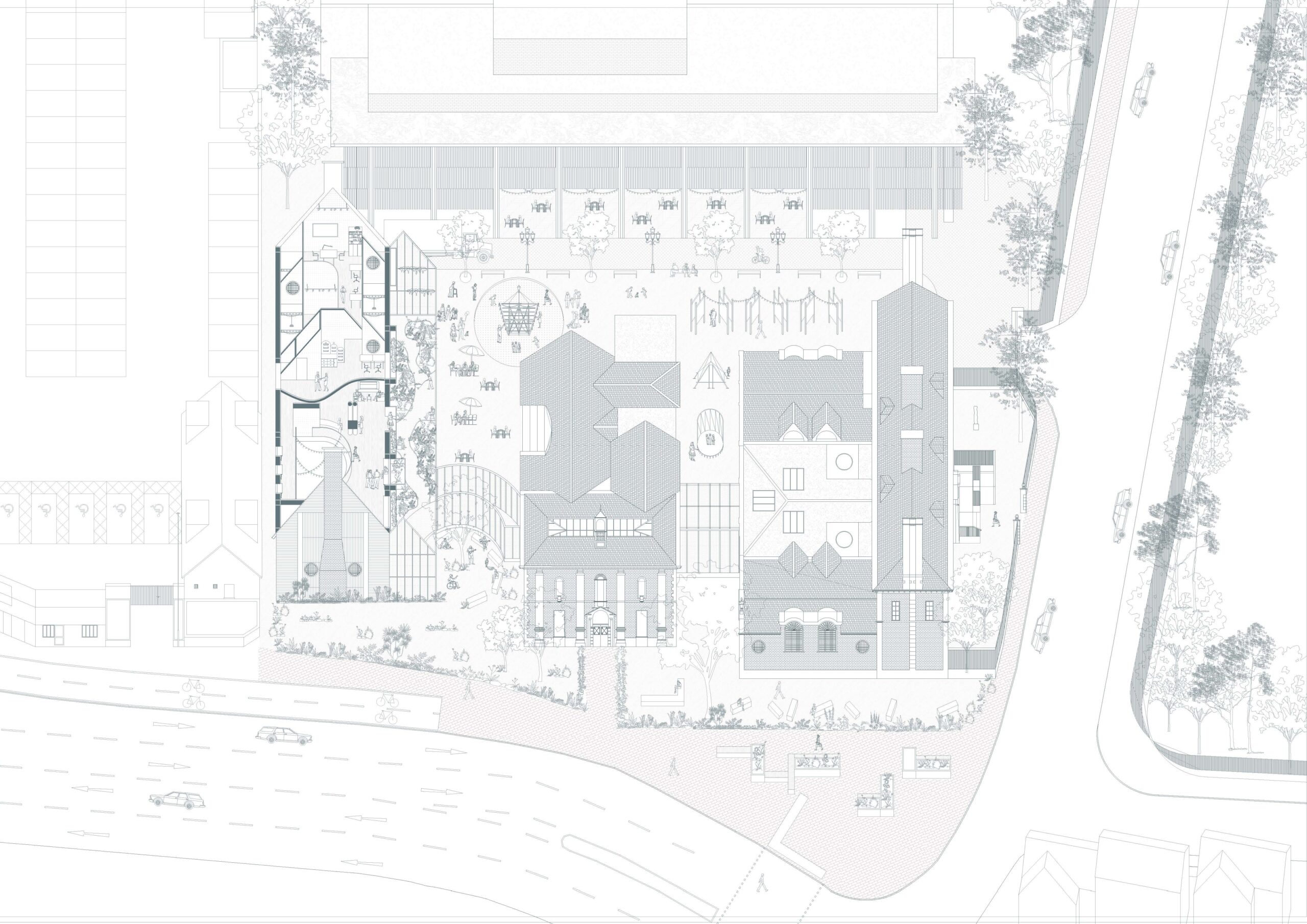
- Use project drawings and images to prove how people move, stop and gather.
Architecture Social view
Stephen’s recruiter view is that community infrastructure projects work best when they make the everyday use obvious. The reader should understand how someone arrives, what they do there and why the project improves the wider place.
Next step
Explore more student projects, use the portfolio guide to clarify your public-space work, or submit your own project.
If this project has made you rethink your own portfolio or next move, browse current architecture jobs or contact Architecture Social for a recruiter’s view.



Add a comment