
BeaconByte by Rachael Cheong is a marine meteorology research institute project that uses architecture to explore weather data, coastal resilience and environmental research.
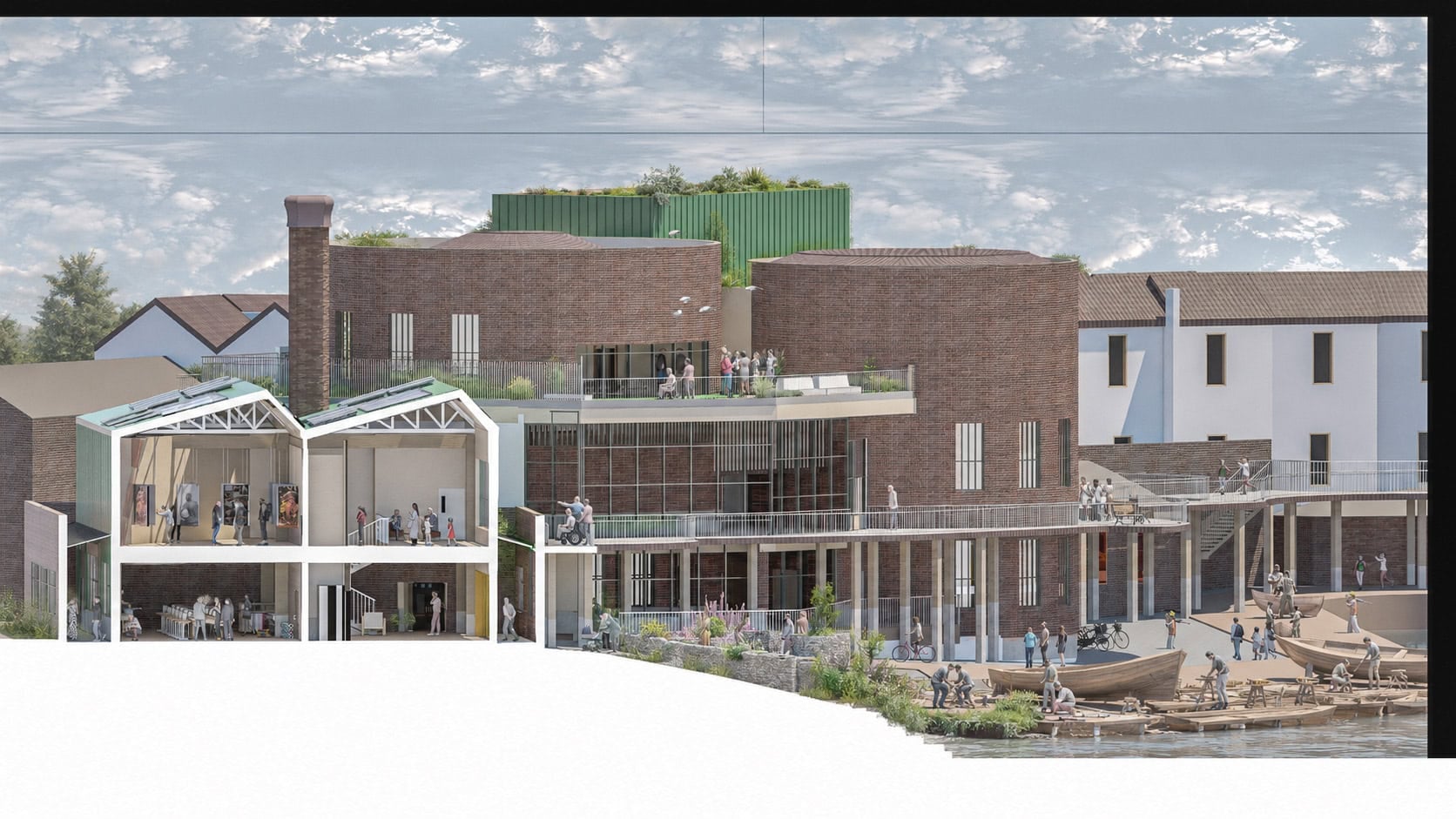
The image and project premise do the heavy lifting first, then the article explains the wider design thinking behind the work.
Project image

Project overview
The original article describes BeaconByte as a final project by Rachael Cheong, a Part II Architectural graduate from the University of Greenwich with professional experience in hospitality architecture and international project work.
The proposal is connected to Lizard Point and the idea of a Research Institute for Marine Meteorology, bringing together coastal conditions, observation, research and architectural identity.
The design idea
Marine meteorology can sound abstract until it is tied to place. BeaconByte gives the subject a setting, a purpose and a public-facing architectural question: how can design help people understand changing marine weather conditions?
- A coastal research institute at the centre of the project.
- Weather data and air-sea interactions translated into spatial thinking.
- A visual identity linked to science, observation and resilience.
- Recognition through the 2024 RIBA London Student Awards context from the original post.
Why it works as a showcase
The project is strong because it turns technical research into a spatial proposition. Readers can understand the site, the environmental question and the architectural response without needing to be specialists in meteorology.
Showcase your own architecture project
Architecture Social is a good place to publish student work when the project has strong visuals, a clear brief and a useful design idea.
- Use horizontal images where possible.
- Name the project, author, school and design problem clearly.
- Explain what the drawings or visuals prove.
- Give readers a reason to care about the work.
Architecture Social view
Stephen’s recruiter view is that research-led projects stand out when the candidate shows the brief, evidence and spatial consequence clearly. BeaconByte has a strong subject, but the article works better when the project image appears early and the writing supports the work.
Next step
Explore more Architecture Social projects, use the portfolio guide to sharpen your own project story, or submit your project to Architecture Social.
If this project has made you rethink your own portfolio or next move, browse current architecture jobs or contact Architecture Social for a recruiter’s view.


Add a comment