

Unfinished Spaces by Linda Martinez is an adaptive reuse architecture project for Porto’s Ford Factory, asking how an industrial landmark can keep its memory while becoming useful again.
The project is strongest when read as a conservation strategy, not just a visual restoration. It uses material reuse, flexible space and community activity to connect Bonfim’s past with a more open future.
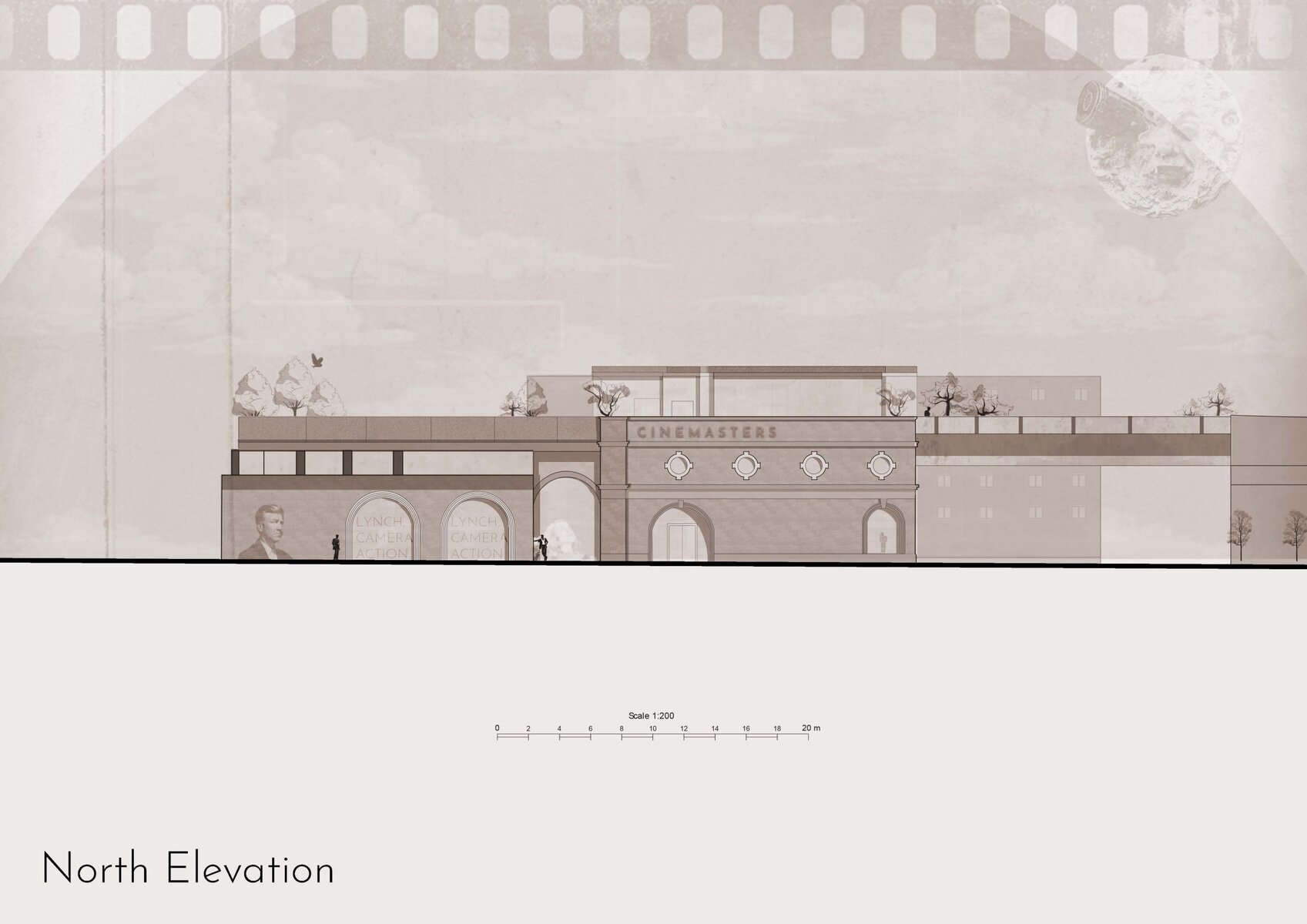
Project overview
Linda studied at the University of East London and the original profile notes First Class Honours. Her proposal works with the Ford Factory in Bonfim, Porto, treating the building as a layered site rather than a blank container.
That matters because adaptive reuse is rarely only about saving a facade. The project has to decide what cultural memory, material value and social use can stay alive in the next version of the building.
How the material strategy works
- A prefabricated tabique panel system gives the project a construction logic rooted in local tradition.
- Natural tiles, straw, earth and granite connect the proposal back to site and region.
- Flexible internal areas allow different community activities to occupy the building over time.
- The retained industrial character gives the new use a visible link to Bonfim’s past.
Why unfinished space can be useful
The title is important. An unfinished space does not have to mean an incomplete design. In this project, it suggests a building that can keep adapting as people, uses and local needs change.
That is a useful portfolio lesson. Adaptive reuse projects often become more convincing when they show tolerance, repair and future change, rather than pretending the building has one final perfect state.
Showcase an adaptive reuse project
Architecture Social can feature student work that deals with heritage, reuse, conservation, circular economy or community repair.
- Show what the project keeps from the existing building.
- Explain the new use and why it fits the place.
- Make the material strategy visible in drawings or models.
- Describe how the building can keep adapting over time.
Architecture Social view
Stephen’s recruiter view is that adaptive reuse projects need evidence of judgement. Practices want to see what you chose to protect, what you changed and how your design makes that decision useful.
Next step
Browse more Architecture Social projects, use the portfolio guide to sharpen your project story, or submit your own project.
If this project has made you rethink your own portfolio or next move, browse current architecture jobs or contact Architecture Social for a recruiter’s view.


Add a comment