Description
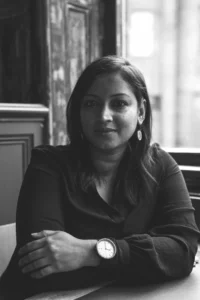
In this Architecture Social CPD, Stephen Drew speaks with Tanisha Raffiuddin, Founder and Creative Director of Concept Culture, about building an alternative career from an architecture training. Recorded for the Architecture Social Podcast, the conversation runs for about 57 minutes.
Who this is for
Architecture students, Part 1 and Part 2 assistants, and qualified professionals who are curious about careers that use an architecture training beyond the drawing board, particularly in branding, marketing, communications and storytelling for the built environment.
Learning outcomes
- You will be able to describe how architecture skills transfer into communications, branding and content work.
- You will be able to explain the difference between editorial writing and copywriting, and where each is used.
- You will be able to outline why storytelling and a clear brand narrative matter for built environment organisations.
- You will be able to identify the core tools and habits behind a consistent content marketing programme.
- You will be able to explain how blogging and search engine optimisation build long-term visibility for a practice.
- You will be able to recognise the steps involved in moving from employed practice to running your own studio.
A squiggly career is still a career
Tanisha describes her route as a "squiggly career" rather than a straight line. She studied architecture, added a master's in sustainability, and graduated into the 2008 to 2009 recession. Rather than wait for a traditional practice role, she pivoted early and let her interests, not a fixed job title, guide her next step.
From The Architects' Journal to communications
An internship writing for a sustainability blog at The Architects' Journal taught her writing, marketing, publishing and how good content is made. That network led to a marketing and communications role at the Sustainable Development Foundation, including helping the Passivhaus Trust build its early social media presence.
Editorial writing versus copywriting
Tanisha draws a clear line between editorial writing (thought leadership, opinion, interviews, and fact checking, as practised at a journal) and copywriting (words written to attract attention and persuade a reader to act). Knowing which you enjoy helps you choose the right path, whether that leans towards journalism or towards marketing and social content.
Storytelling and brand for the built environment
Concept Culture helps practices and organisations clarify who they are, why they exist and how they help their clients before moving on to tactics. Tanisha starts most engagements with a brand and messaging exercise, then builds a bespoke content plan around the client's resources and goals.
Why online marketing matters
For small and growing practices, marketing is a job in itself. A clear brand, a consistent presence and a website that generates enquiries can bring in work even when you are not actively selling. Tanisha notes how often new clients arrive having simply found the studio on Google.
Tools and the creative process
The conversation covers practical tools for staying organised: content calendars and scheduling tools such as Buffer and Hootsuite, link shorteners, and SEO helpers. AI copy tools can help with a blank page, but Tanisha is clear they are a time saver, not a replacement for a skilled copywriter.
Blogging, SEO and being found on Google
Blogging is far from dead. Regular, high-quality articles, promoted through newsletters and social media, build a web of signals that tells search engines a site is worth ranking. Results take time, often three to six months before terms start to move, and longer to compound.
Briefing creatives and managing projects
Concept Culture operates as a collective of self-employed creatives, assembled per project. Tanisha's role as creative director and project manager mirrors running an architecture job: a strong brief up front, regular check-ins, and quality control between the client and the creative reduce the risk of work going off track.
Founding Concept Culture
After time back in practice and a period of reflection, Tanisha decided the role she wanted did not exist, so she created it. Encouraged by former mentors, she registered the company, developed the name and brand with a collaborator, and grew the business from a simple website and a clear set of services.
Key terms
Copywriting: writing designed to attract attention and persuade a reader to act. Editorial: opinion, thought leadership and journalism, with fact checking. Content marketing: planned, valuable content that supports a wider marketing strategy. SEO: search engine optimisation, improving how a site ranks and is found. Brief: a clear statement of requirements given to a creative. No-code: building websites or tools without writing code, for example with Webflow.
Reflective prompts for your CPD record
- Which of your architecture skills would transfer most easily into communications, and how would you evidence them?
- Do you lean towards editorial writing or copywriting, and what would you do to build that skill deliberately?
- If you ran a small practice, what would your first three steps be to build visibility online?
About the guest
Tanisha Raffiuddin is the Founder and Creative Director of Concept Culture, a creative agency for the built environment based in London. A trained architect, her practice sits at the intersection of architecture, sustainability and communications. She hosts the Talking Place podcast and has served on the steering committee of Women in Architecture UK.
Audio
Industry
Topics
Company

People