
Description
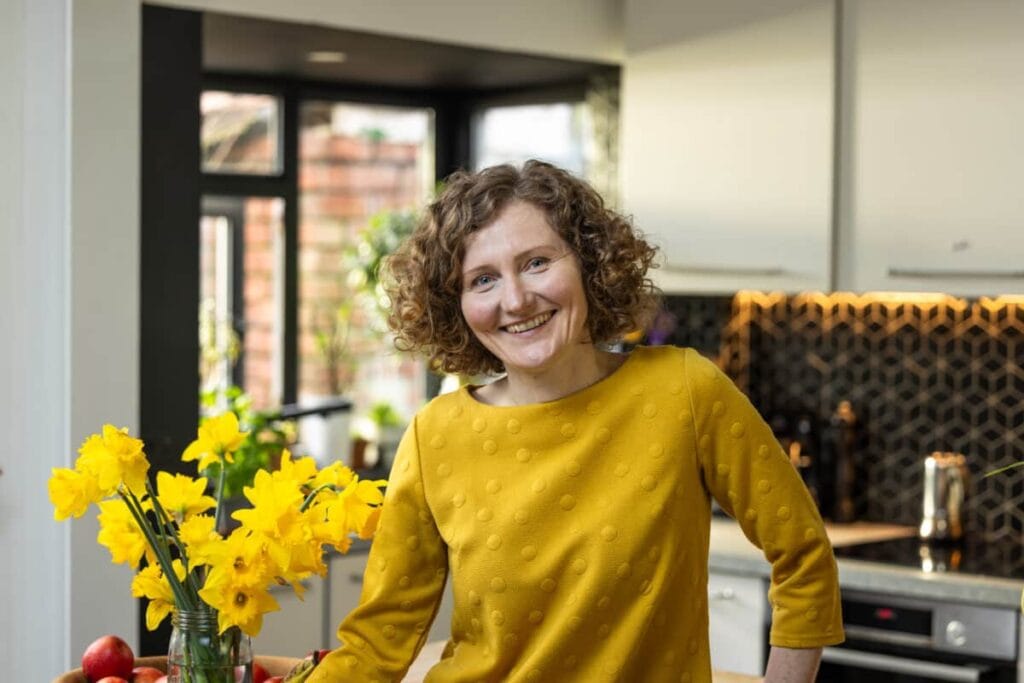
In this Architecture Social conversation (around 47 minutes), Stephen Drew speaks with Laura Simpkins, an ARB-registered architect who runs Pride Road New Forest and Bournemouth, part of the Pride Road residential architecture franchise. Laura traces a deliberately non-linear career, from a large international practice to redundancy, a career break and a fresh start running her own domestic-focused studio, and explains how a systemised residential model let her build a practice that fits around family life.
You can also listen on Spotify.
Who this is for
This lesson is aimed at architects and architectural staff who are weighing up flexible or part-time working, thinking about returning to practice after a break, or considering setting up a small residential studio. It will also help anyone curious about how a franchise or systemised practice model works, and parents trying to balance a career in architecture with family life.
Learning outcomes
By the end of this lesson you will be able to:
- Compare what you learn in large versus small practices, and how each shapes different professional skills.
- Explain the structural barriers that part-time and flexible working still face in architecture, and how they affect career progression.
- Describe how a systemised residential design process works, from first consultation to handover.
- Recognise the role of role models, peer networks and referral relationships in sustaining a small practice.
- Assess whether a franchise or supported practice model suits your own goals and circumstances.
- Plan practical steps for restarting or launching a practice after time away from the profession.
Learning the trade in a large practice
Laura qualified at Broadway Malyan, a large international practice, where she spent around three to four years working on multi-million pound design-and-build schemes across commercial, residential and mixed-use projects. The resources, training and business focus taught her to manage significant projects early. Her Part 3 examiner encouraged her to experience a different type of practice, which set the direction for her next move.
A design-led studio and apprenticeship-style learning
She moved to a smaller, design-led practice in Romsey, Hampshire, specialising in schools and education work at a time when there was public funding for well-designed buildings. Working closely with the directors felt like an old-fashioned apprenticeship, learning by watching and listening rather than through formal courses. It was a sharp cultural change from a large firm's systems, but gave her more time to design and absorb the craft first-hand.
Parenting, part-time working and the progression gap
After having her first child, Laura returned two days a week. She describes a common structural issue: when you are the only person working part-time, it is hard to feel part of the practice, and colleagues working full time tend to progress faster. She contrasts architecture with professions such as general practice medicine, where part-time partnership is normal, and argues the profession needs to make flexible working a recognised, respected route rather than an exception.
Redundancy, recession and keeping other skills alive
During the 2008 downturn she was made redundant, the first to go because she worked part-time. Her practical advice is to keep any other skills going, because you never know when you will need them. She taught piano for a while, including at a local care home, and took on the occasional planning application from home to help pay the mortgage. Redundancy in a downturn, she notes, is close to a certainty at some point in most careers.
Taking time out to reset
After a further period out of practice, Laura took a very part-time job at her local library for around two years to think clearly about her next step. It sounds far from an architectural career, but she found things there that had been missing: working directly with the public, explaining things patiently, and the camaraderie of a team of other parents at a similar stage of life. That support network is often exactly what is lost when people drop out of the profession after having children.
Finding Pride Road and choosing a franchise route
Late one night, searching online for another architect and parent balancing the same pressures, Laura came across Pride Road, the residential architecture franchise established in 2016 by RIBA chartered architect Lisa Raynes. She waited until her children were a little older, then approached the franchise and launched her own studio, Pride Road New Forest and Bournemouth, in January 2020. She frames the decision as backing her instincts while she still had the appetite for a challenge.
How the systemised residential model works
Pride Road uses a structured process designed to fit around family life and to keep residential work profitable, a sector many practices avoid. It starts with a free initial consultation, followed by a concept design workshop where three or four options are drawn live with the client to draw out the brief and test it against budget. CAD production is outsourced to chartered architectural technicians, and the architect stays involved through the planning application, building regulations, and a pre-contract handover to the builder. Clear boundaries stop residential work sliding into all-hours demands.
Adapting the practice through the pandemic
Having launched only two months before the first lockdown, Laura moved the whole process online, running consultations and design workshops over video using document cameras to share drawings. Going online widened her reach beyond the New Forest to clients further afield. She also built local relationships through networking, including a referral relationship with a builder who provides ballpark figures for clients, giving her a trusted team around a solo practice.
Final reflections: instincts, role models and resilience
Laura's closing advice is to trust your instincts and seek out role models, whoever and wherever they are, including through local RIBA events or professional networks. Finding someone a step ahead who is like you, she argues, gives you the confidence to work in a way that suits your life, ask better questions and grow. She also stresses being relatable and accessible to residential clients, many of whom have never worked with an architect before.
Key terms
Franchise model: a business structure where an individual runs their own practice under an established brand, systems and support.
Chartered architectural technician: a qualified professional focused on technical design and production information, here used to outsource CAD work.
Concept design workshop: a live session where design options are drawn with the client to develop and test the brief.
Design and build: a procurement route where one party is responsible for both design and construction.
ARB and RIBA: the Architects Registration Board, which protects the title "architect", and the Royal Institute of British Architects, a professional membership body.
Reflective prompts for your CPD record
- Which skills outside core design could you develop or maintain to make your career more resilient to downturns?
- How does your current practice treat part-time and flexible working, and what would need to change for it to be a genuine route to progression?
- If you were to set up or restructure a small practice, which parts of the process could you systemise to protect your time and margins?
About the guest
Laura Simpkins is an ARB-registered architect and the founder of Pride Road New Forest and Bournemouth, part of the Pride Road residential architecture franchise. She specialises in house extensions, remodelling and loft conversions across the domestic market, and began her career at large and design-led practices before launching her own studio in January 2020. Pride Road was established in 2016 by RIBA chartered architect Lisa Raynes to make residential architectural services more accessible and to support flexible practice.
Audio
Industry
Topics
Company

People


