
Description
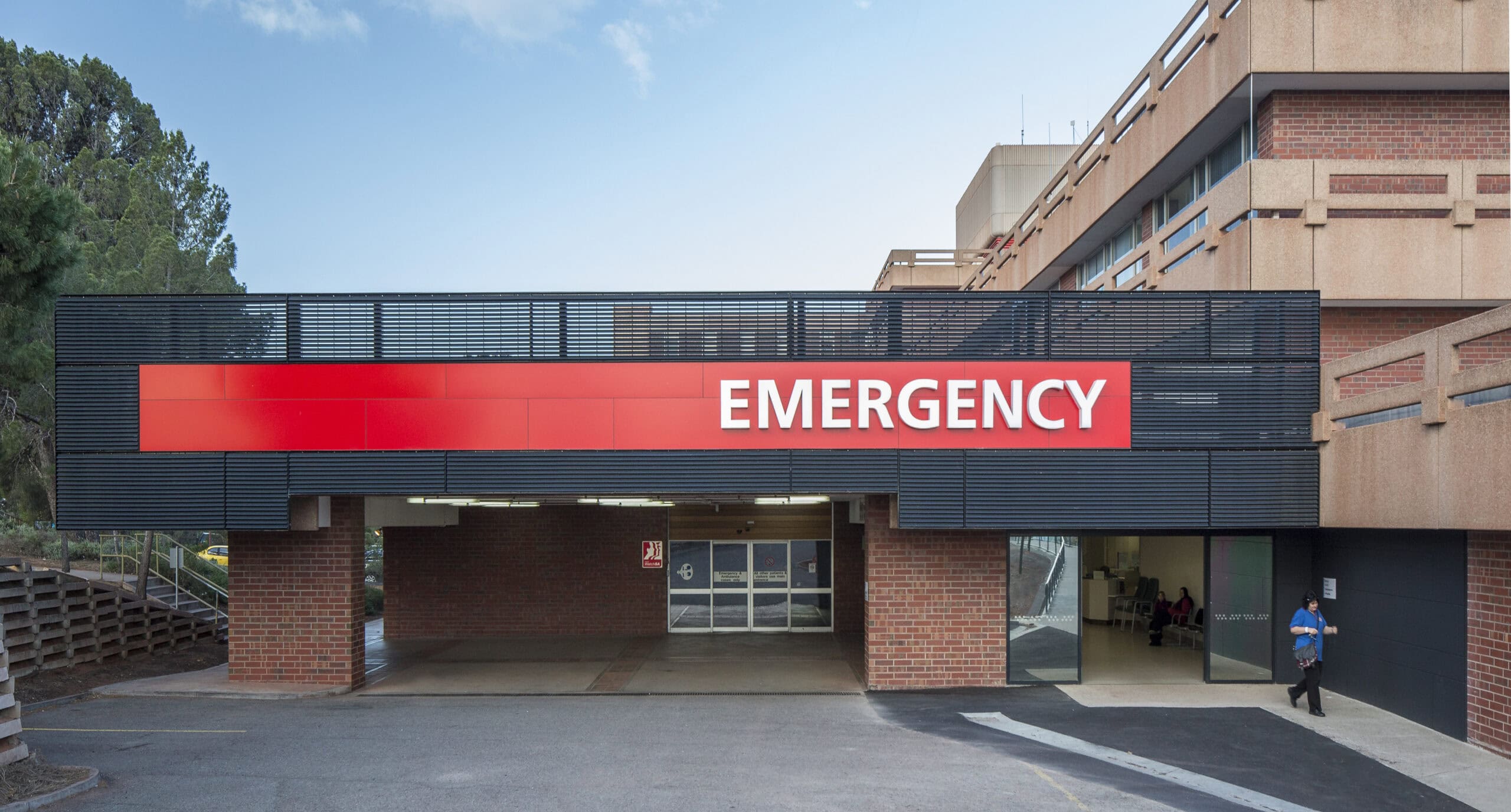
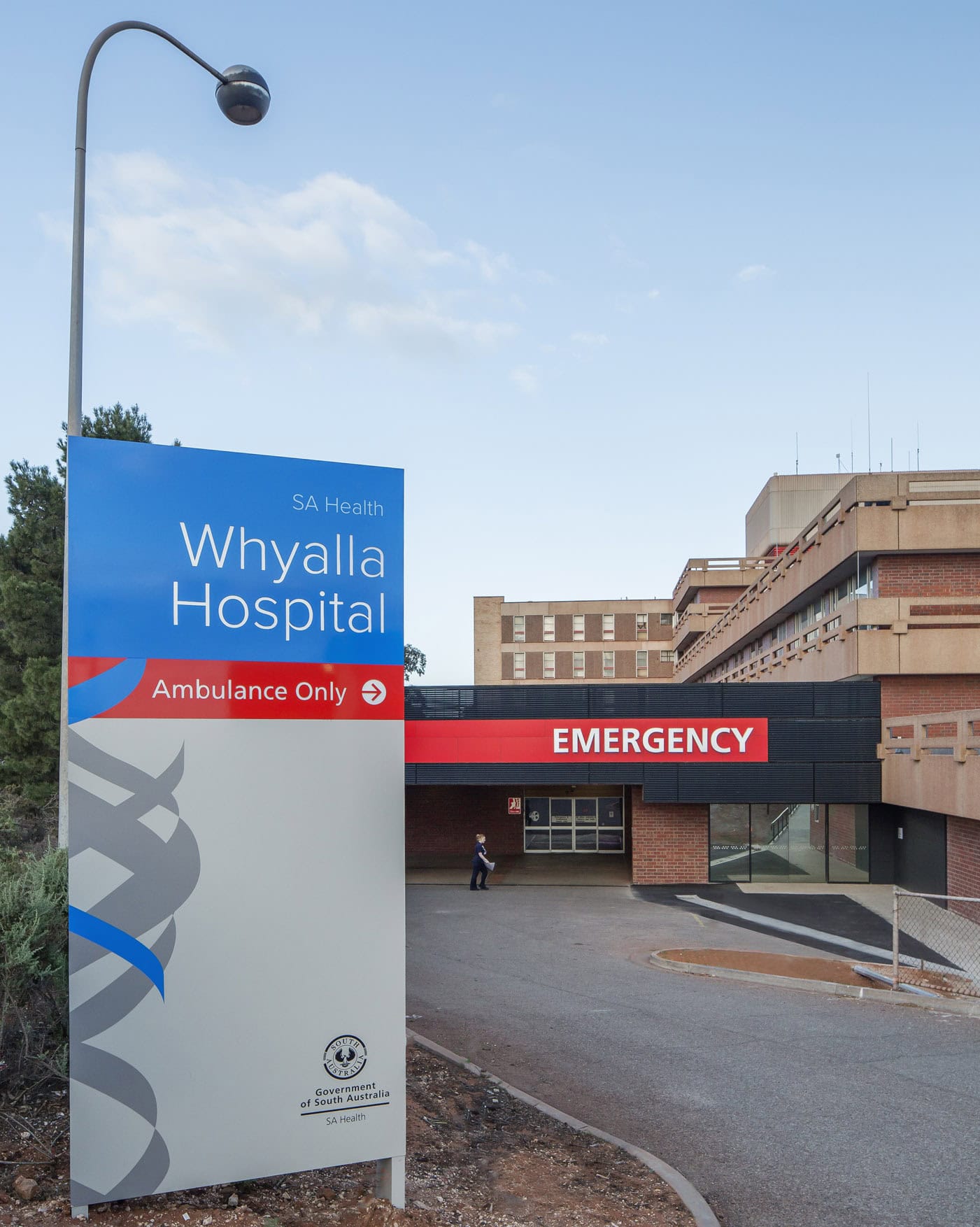
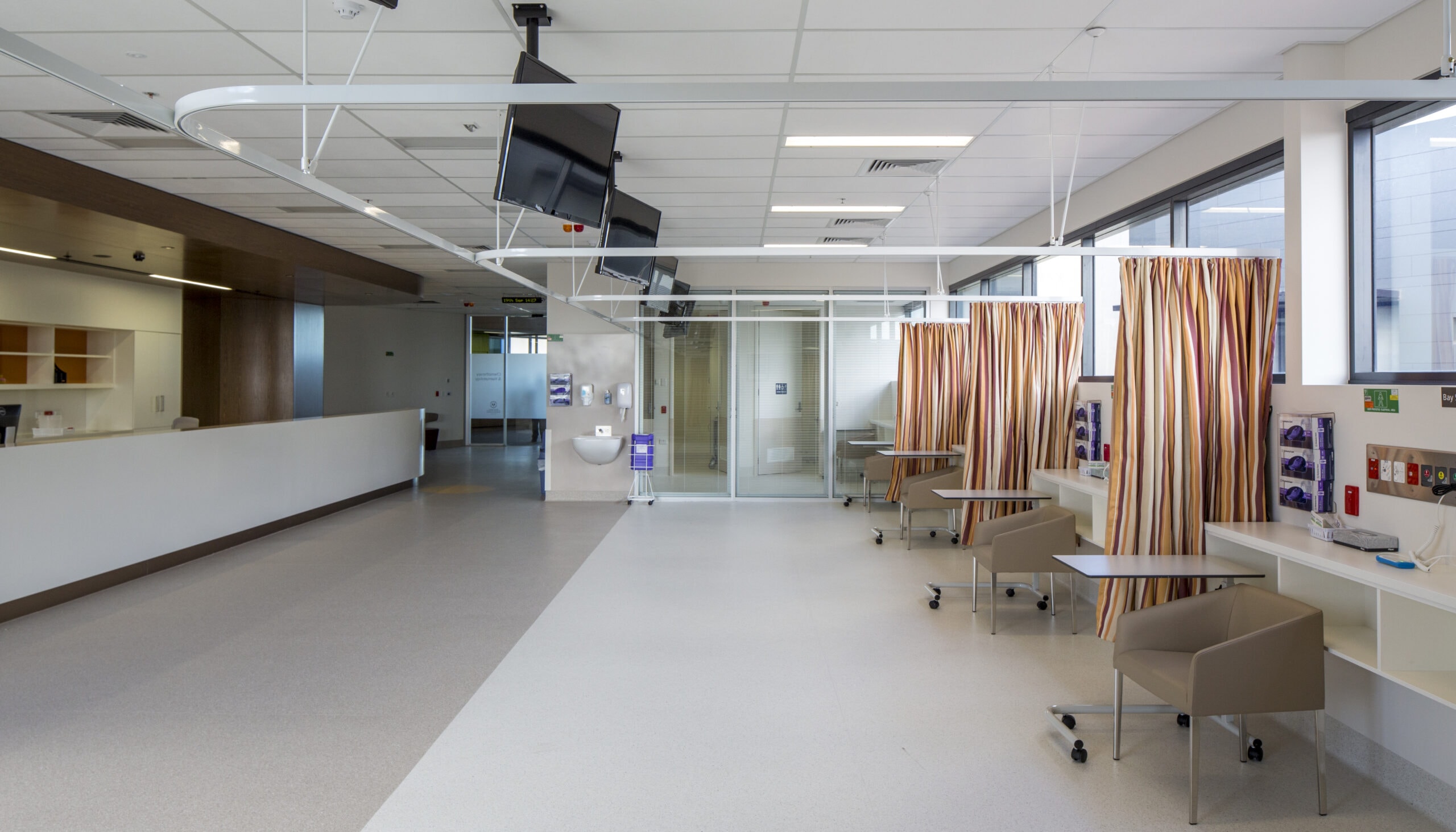
Cheyenne Lee, Project Leader at Hames Sharley, argues that Australia's Emergency Departments have been buckling under overcrowding for the better part of a decade, and that the pandemic has only sharpened the question of how design should respond. Her case is straightforward: the priority is not more building, but a more thoughtful design of the healthcare delivery system that sits inside it.
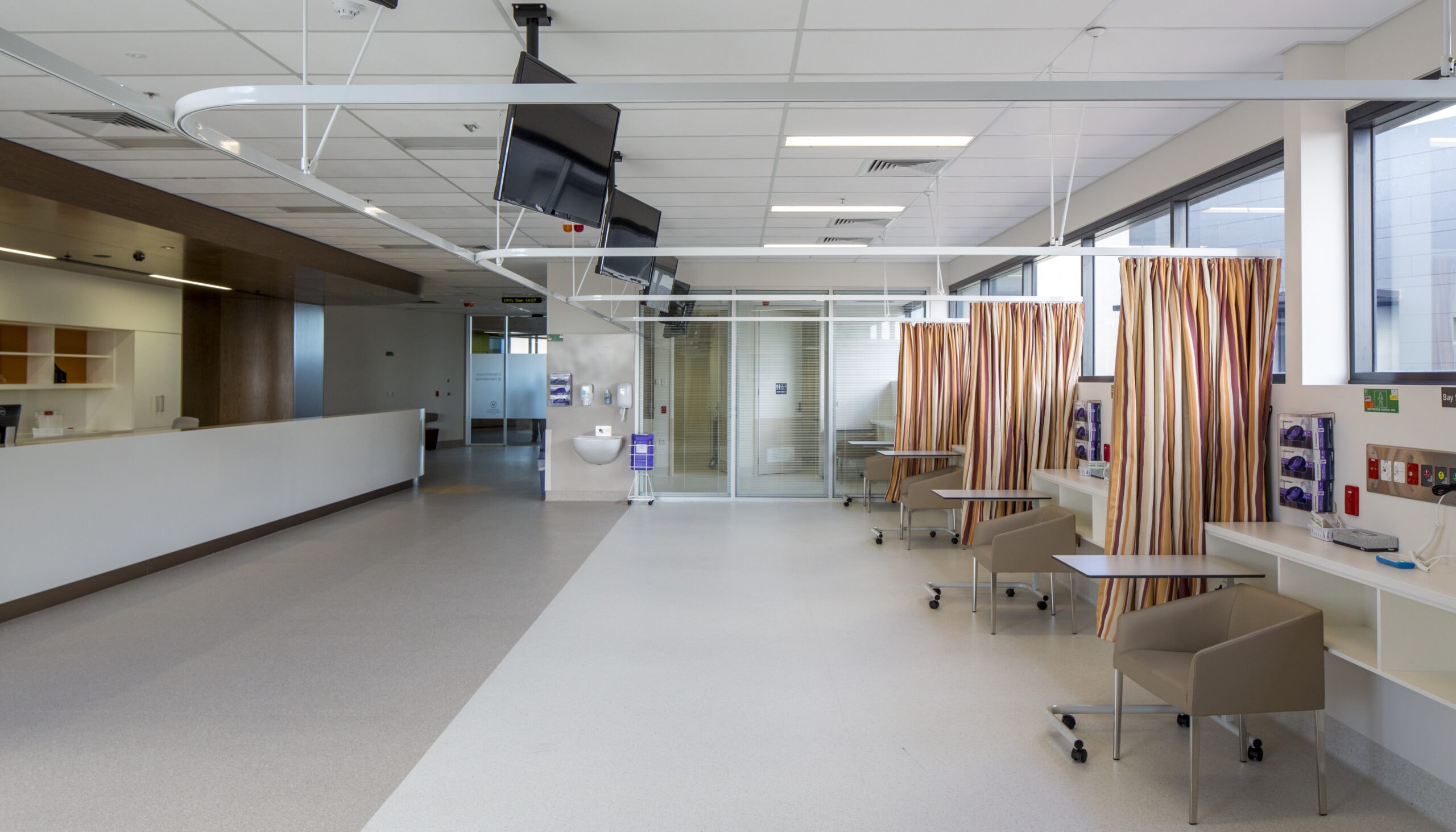
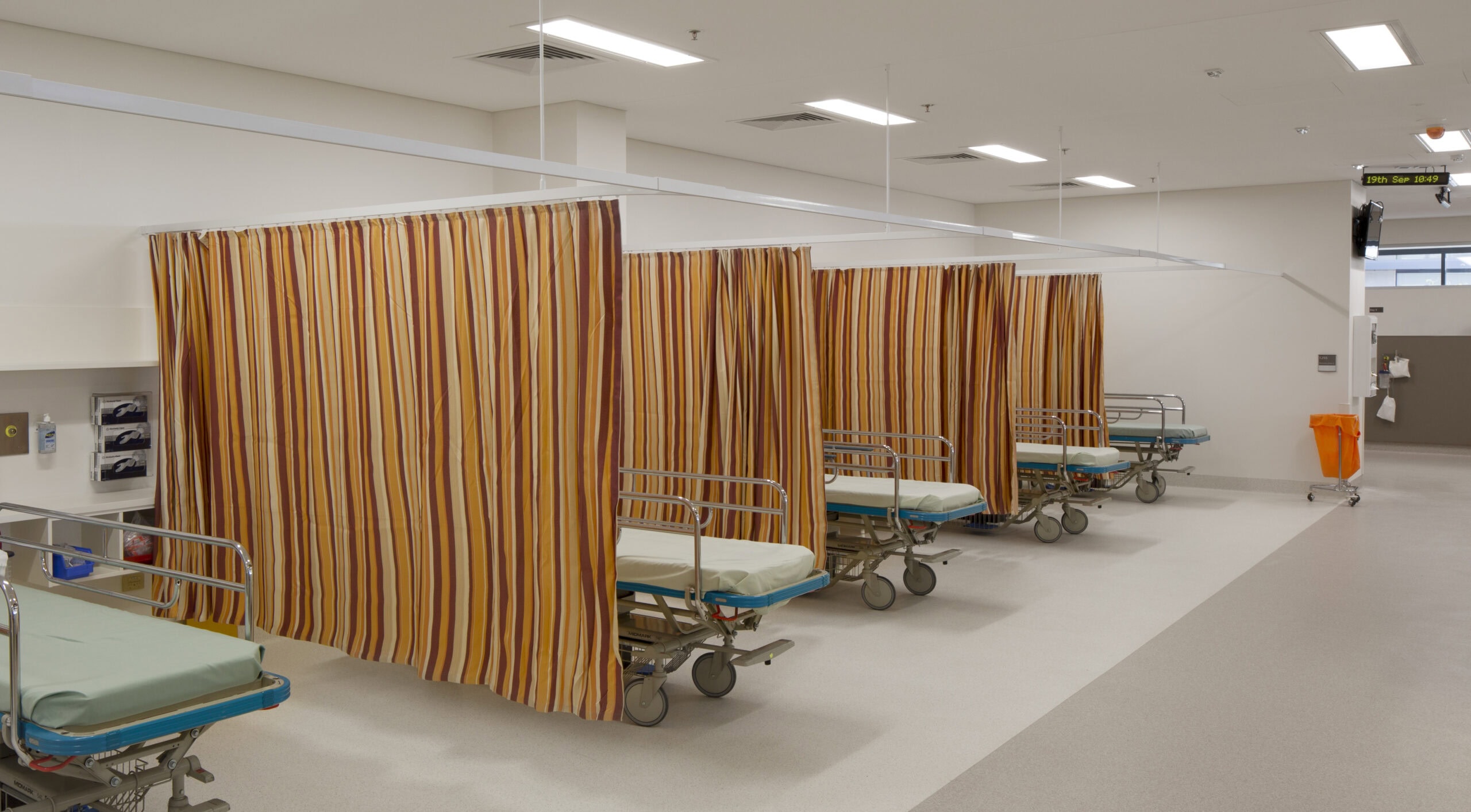
When the focus shifts from physical envelope to clinical workflow, the gains compound. Shorter wait times, faster diagnoses, less strain on staff and equipment, and higher patient satisfaction all follow from rethinking how patients move through the department.
The pandemic has reinforced the same point. Designated zones for donning and doffing PPE, the cohorting and isolation guidance issued in Victoria, and clear screening, triage and signage routes are all examples of the design system intervening to limit cross-infection between patients and between healthcare workers.
The opportunity, in Lee's reading, is to design the ED as a system rather than a series of rooms. Get that right and the building begins to do the work the workflow asks of it.
Research and writing by Hames Sharley, project leader Cheyenne Lee. Images courtesy Hames Sharley.
Gallery
Company

Industry
Sector
Details
- Client: Hames Sharley research
- Completion Date: 2020
- Photographer: Amy Sala Tenna
Discuss



