
EP 02242 December 2024 · 56 min
Hospitality Reimagined: Converting Offices into Lifestyle Destinations. Ft. Eric Jafari at AENDRE
 YouTube · 55:59Audio only · Transistor
00:00 · Introduction and welcome17 chapters ↓
Follow the showApple PodcastsSpotifyYouTubeRSS
About this conversation
Hospitality Reimagined: Converting Offices into Lifestyle Destinations. Ft. Eric Jafari at AENDRE
Converting offices into hospitality destinations is not just a design exercise. It is planning, finance, consumer behaviour, ESG, operations and understanding what people now want from places.
Stephen Drew speaks with Eric Jafari of AENDRE about office-to-hotel conversions, extended stay hospitality, lifestyle-led real estate and how underused buildings can become more active destinations.
The conversation covers:
How office buildings can become hospitality and lifestyle destinations
What extended stay guests expect from design and operations
Why planning, ESG and sustainability shape conversion viability
Topics in this episode
Each topic opens its knowledge hub with jobs, people, courses and more episodes.
Transcript
Back to playerRead the conversation.
Automatically generated. Words and speaker labels may contain mistakes. Play a passage to hear the original.
Opening of the conversation
Timestamps jump to the nearest marked moment in the video.
- · Stephen Drew
Stephen Drew
Hello, hello, hello! 30 seconds and we're going! I can't wait. Grab that coffee, that cheeky wine. I don't know where you are, what you're doing. As long as you're not drinking at work, maybe you're thinking, maybe you're somewhere nice right now. Maybe you're in an office. Or maybe You're somewhere else.
Hello everyone and welcome to this non live livestream special. I'm joined here by a fantastic guest who's actually been involved in creating
Continue the conversation
What’s your take?
An episode ends. A good conversation carries on.
View in forum →The conversation
Loading the conversation…
The guest, the practice, the work
Follow the conversation into the directory.
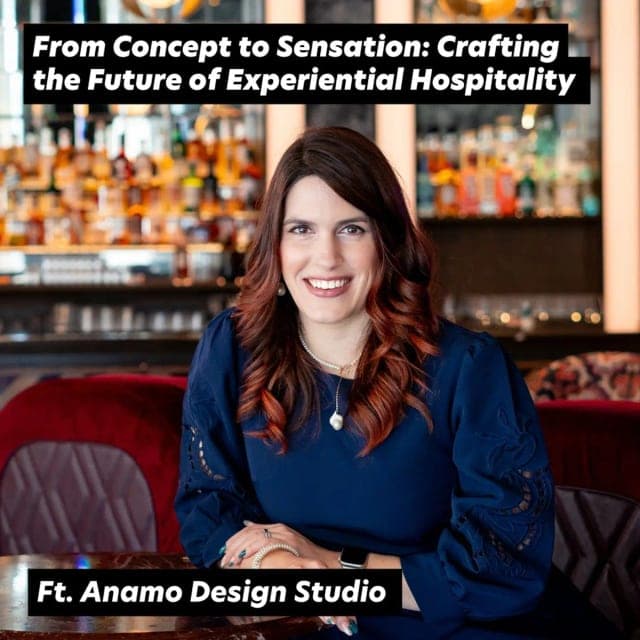 EP 0213 · 48 minFrom Concept to Sensation: Crafting the Future of Experiential HospitalityAna Moisin
Roles in this world
Live Hospitality roles on the jobs board right now.
The newsletter
Get the next conversation in your inbox.
New episodes, the companion guides and the Friday session. No spam, unsubscribe any time.