
Description
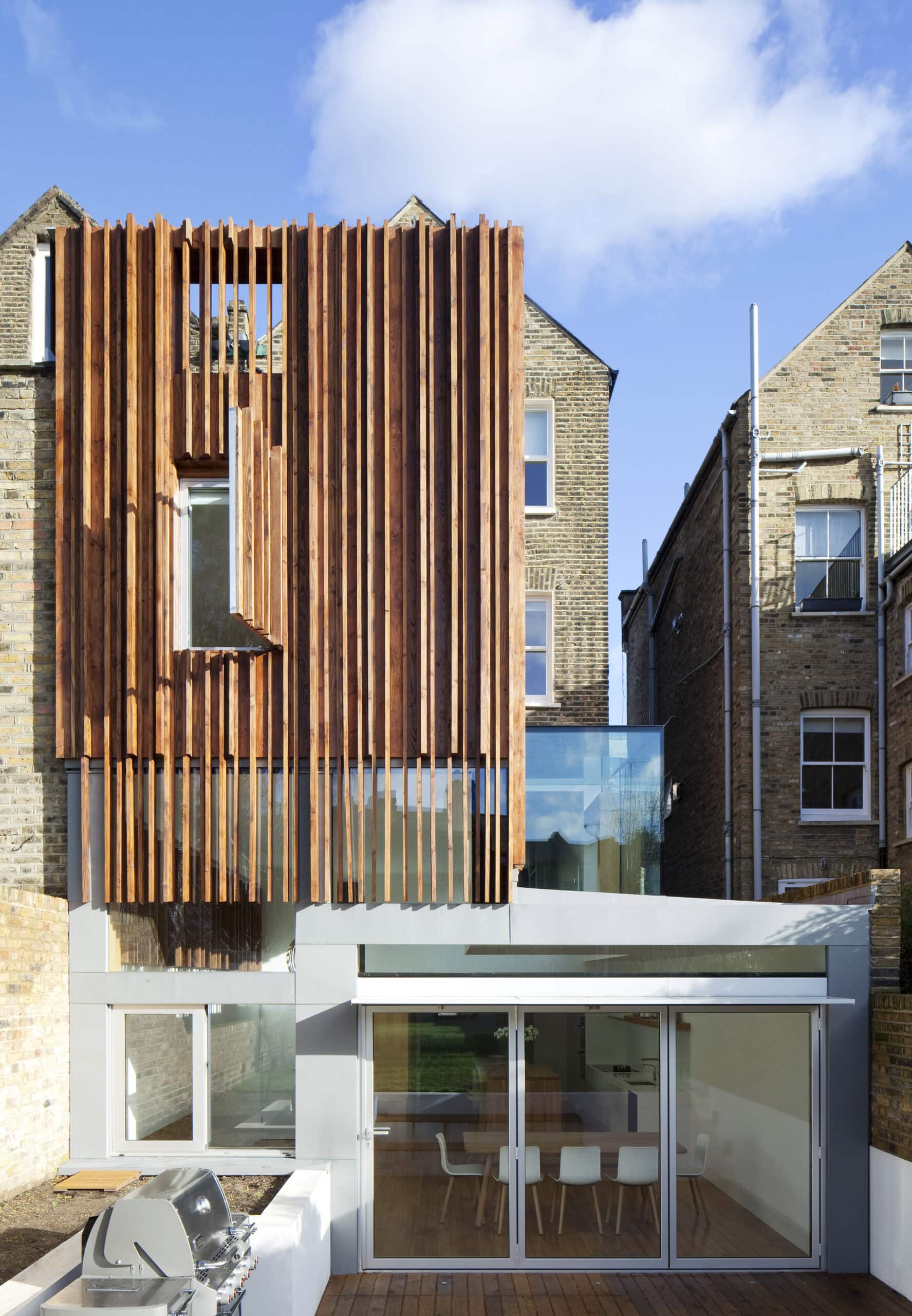
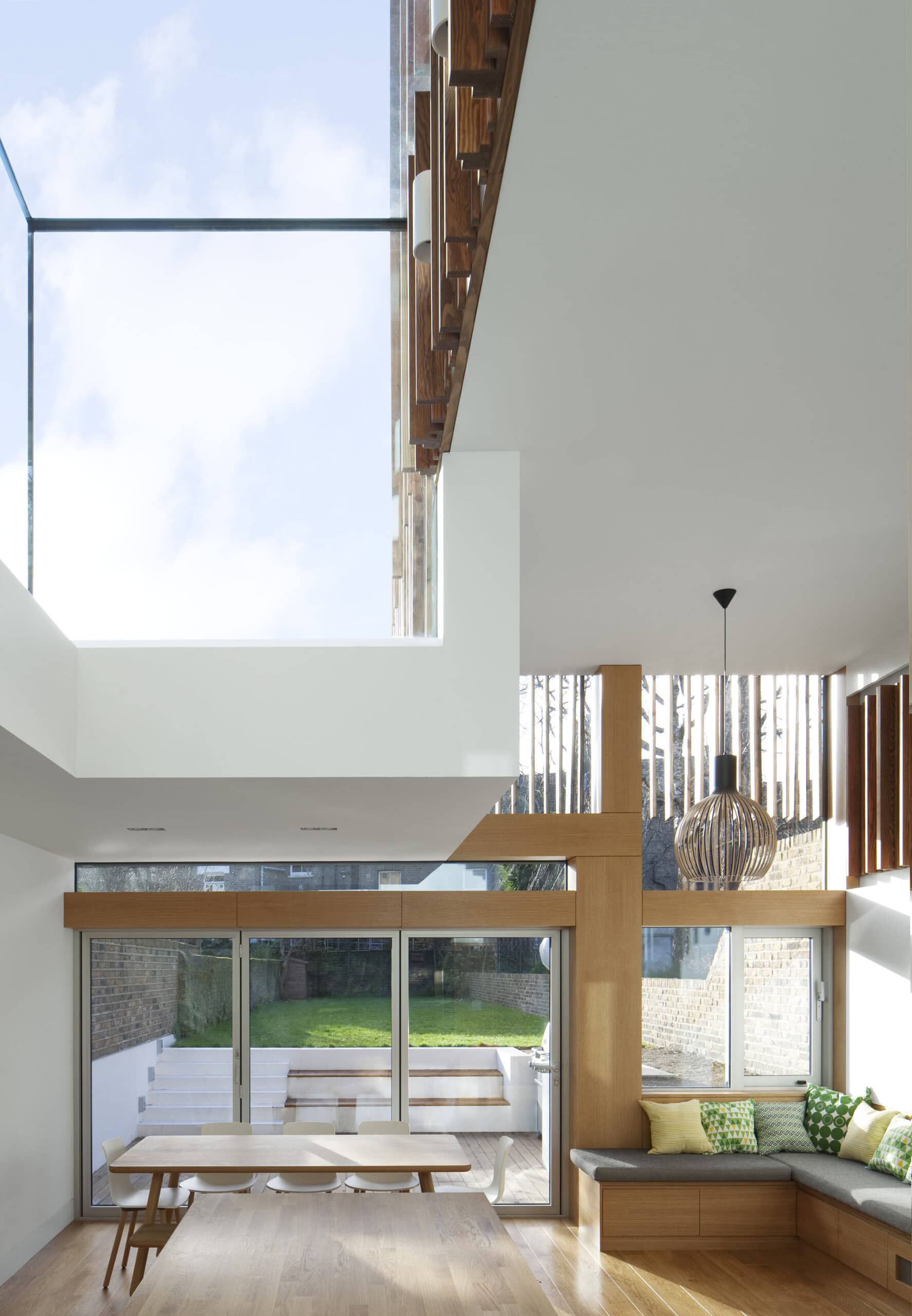
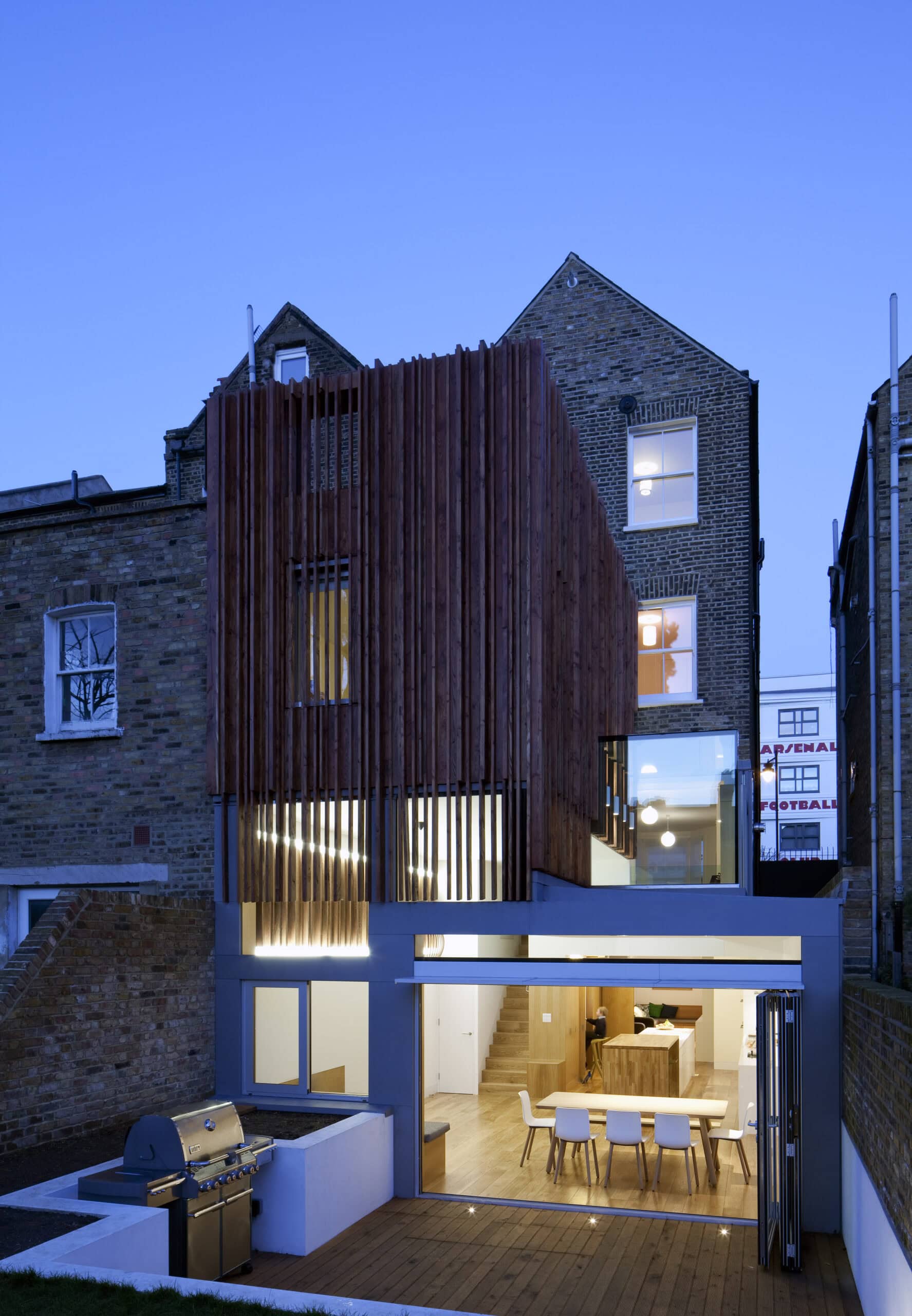
Power House is a refurbishment of a private house in Highbury, north London, built around a sculptural timber-clad rear extension that gives the property a new architectural centre. The focal point is a generous double-height kitchen and dining space at the rear, formed from the interplay of two interlocking volumes: one wrapped in frameless glass, the other in linear timber. A structural glass box draws daylight deep into the plan and ties the upper and lower levels together visually.
Above, the extension's upper floors are clad in a continuous skin of Douglas fir battens. The same battens line the interior walls, so the cladding reads as one material running from outside to in, emphasising the volumes rather than separating them. The battens partially veil the glazing, casting patterned shade across the kitchen and softening the boundary between house and garden.
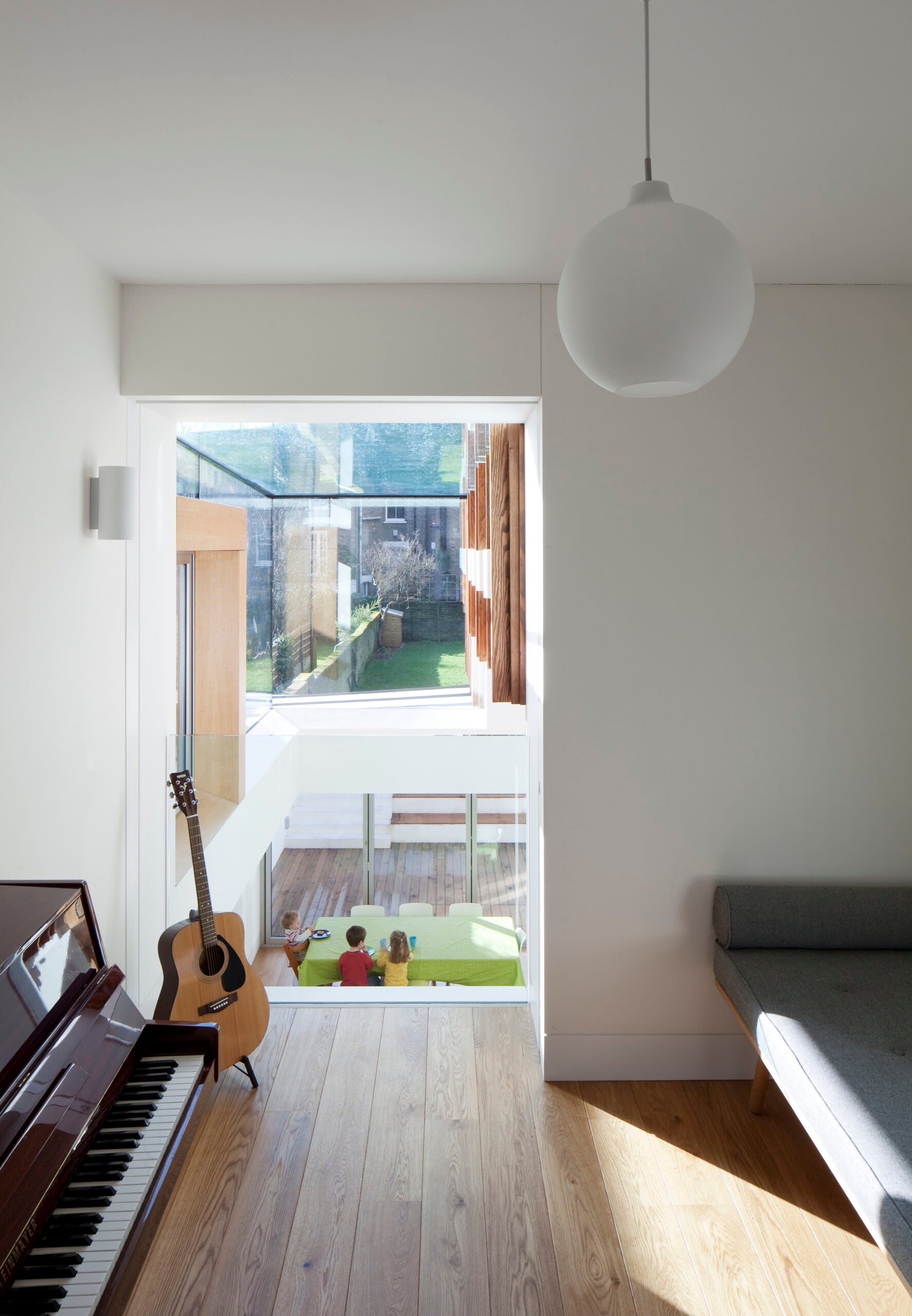
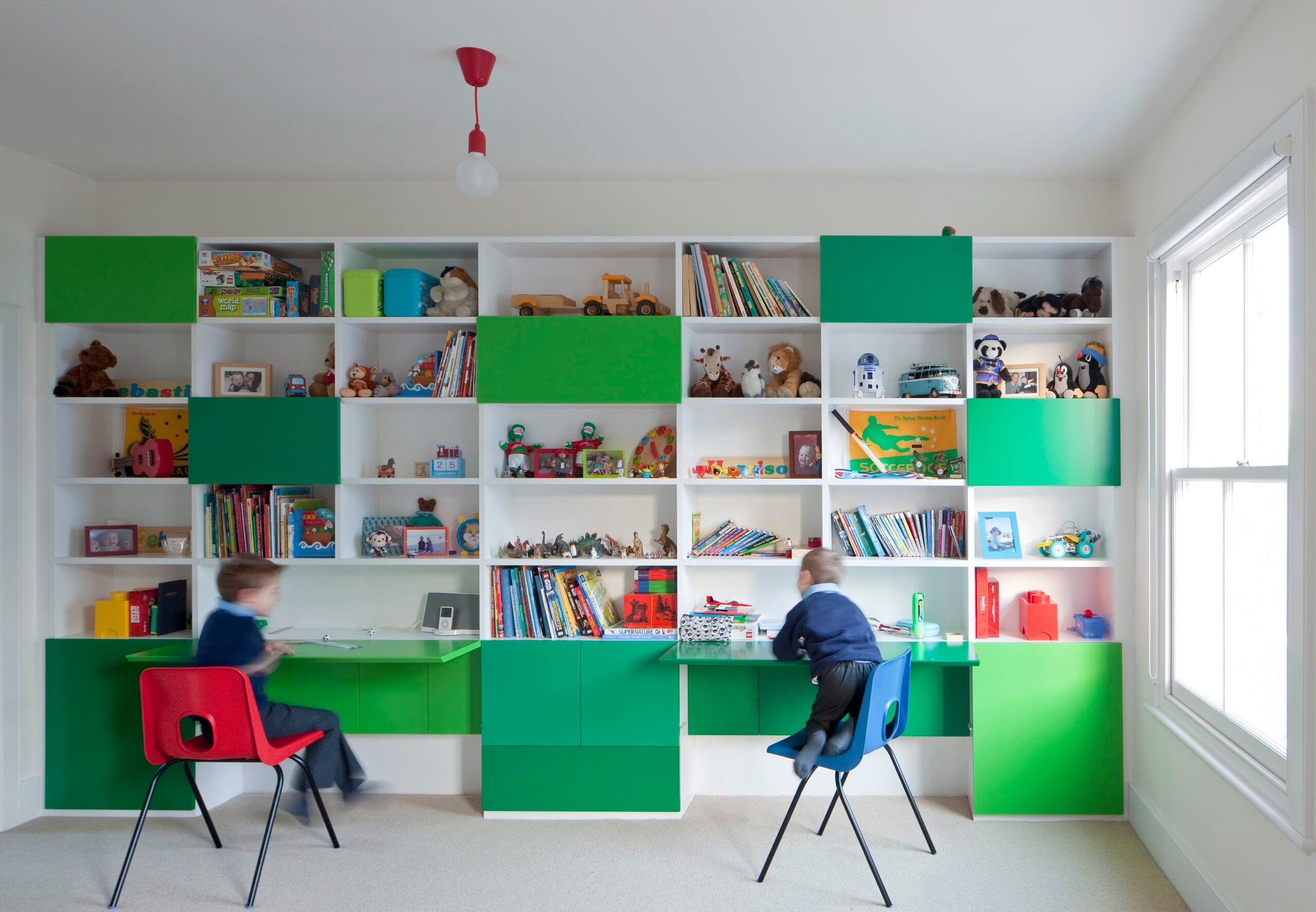
Beneath the original house, a new ground floor level was excavated to create an open plan where cooking, dining and family life can sit alongside one another. Fully glazed folding doors lead out to a garden deck, while a glass panel in the first-floor music and playroom opens a balcony view down into the main living space, with a sliding glazed door for privacy when needed. Timber is used throughout, from floors and external decking to bench seating and an island that runs the length of the kitchen, with a flash of bright green built-in shelving in the playroom as a deliberate counterpoint.
The brief was shaped by the clients' love of the outdoors and a taste for Nordic design, and the project shows how natural light and natural materials can carry a contemporary family home without leaning on heavy finishes.
Architect: Paul Archer Design (Richard Gill). Structural engineers: Hardman Structural Engineers. Contractor: B&A Woodworking. Photography: Andy Stagg.
Gallery
Company

Industry
Sector
Details
- Building Levels: 4
- Completion Date: 2012
- Photographer: Andy Stagg
Region
Discuss


