
Recrafting Heritage: Andrew Chatten’s Lake District Mill as a Hub for Sustainable Timber Innovation
Turning Ruin into Resource – A Vision for Modern Making
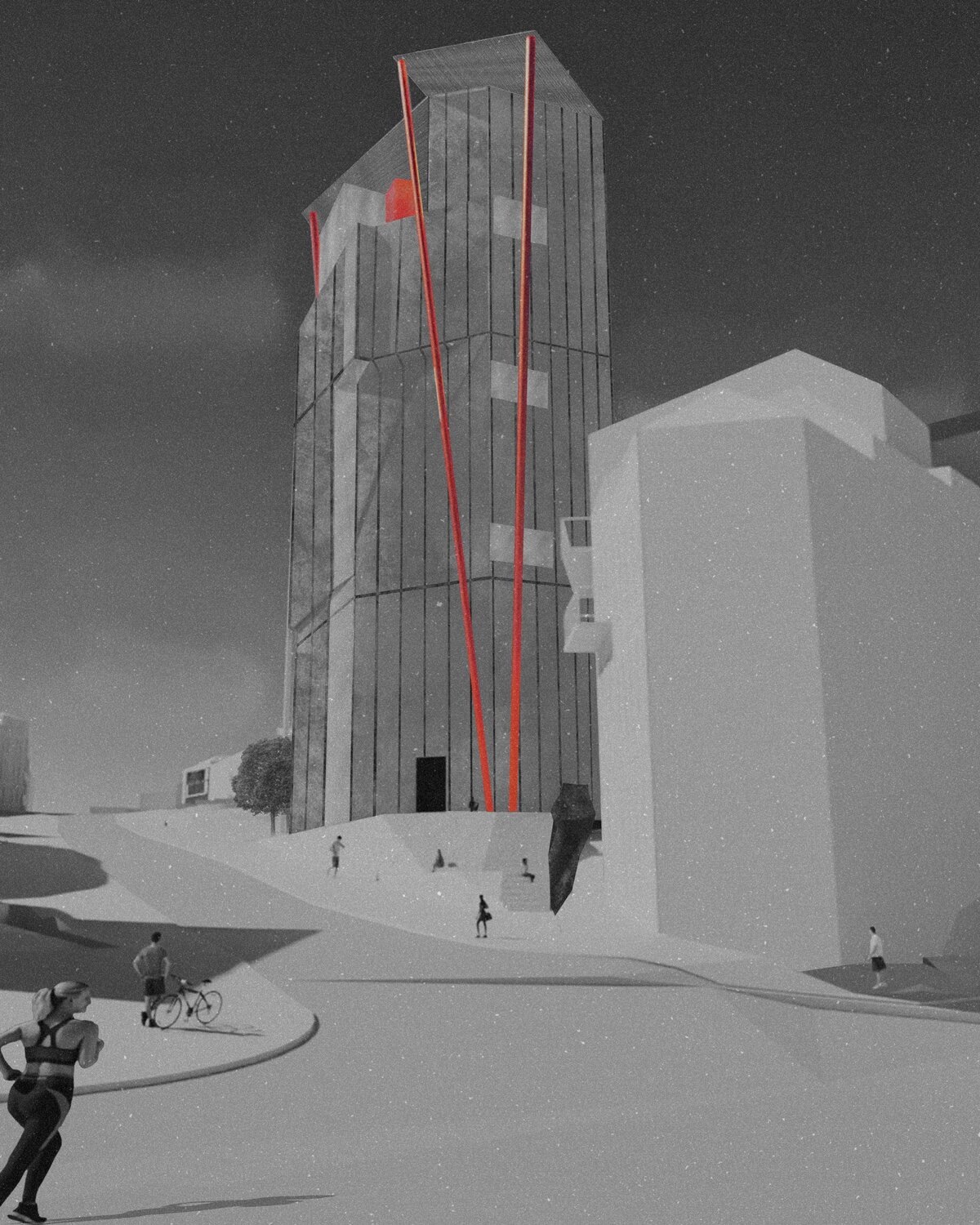
Amidst the rolling beauty of the Lake District, where mist curls over ancient stone and rivers trace the memory of industry, recent Lancaster School of Architecture graduate Andrew Chatten has crafted a vision that bridges the region’s industrious past with an ethical, future-focused design agenda. Awarded first class honours and the Third Year prize for Professional Practice, Andrew caps his academic journey with an ambitious final-year project: the transformation of a long-dormant mill into a contemporary centre for sustainable timber furniture production.
Anchoring Identity: Context, Community, and Craft
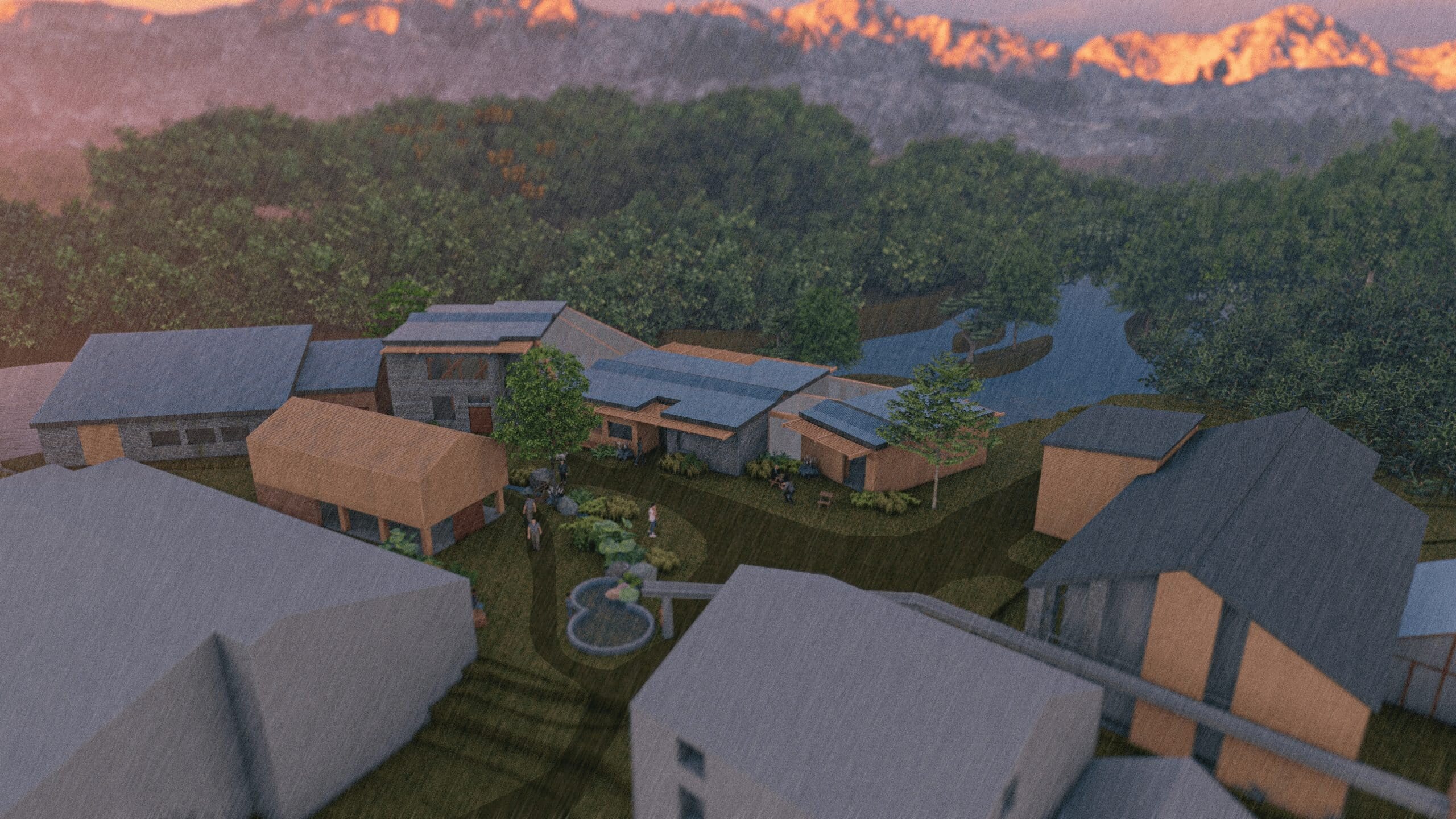
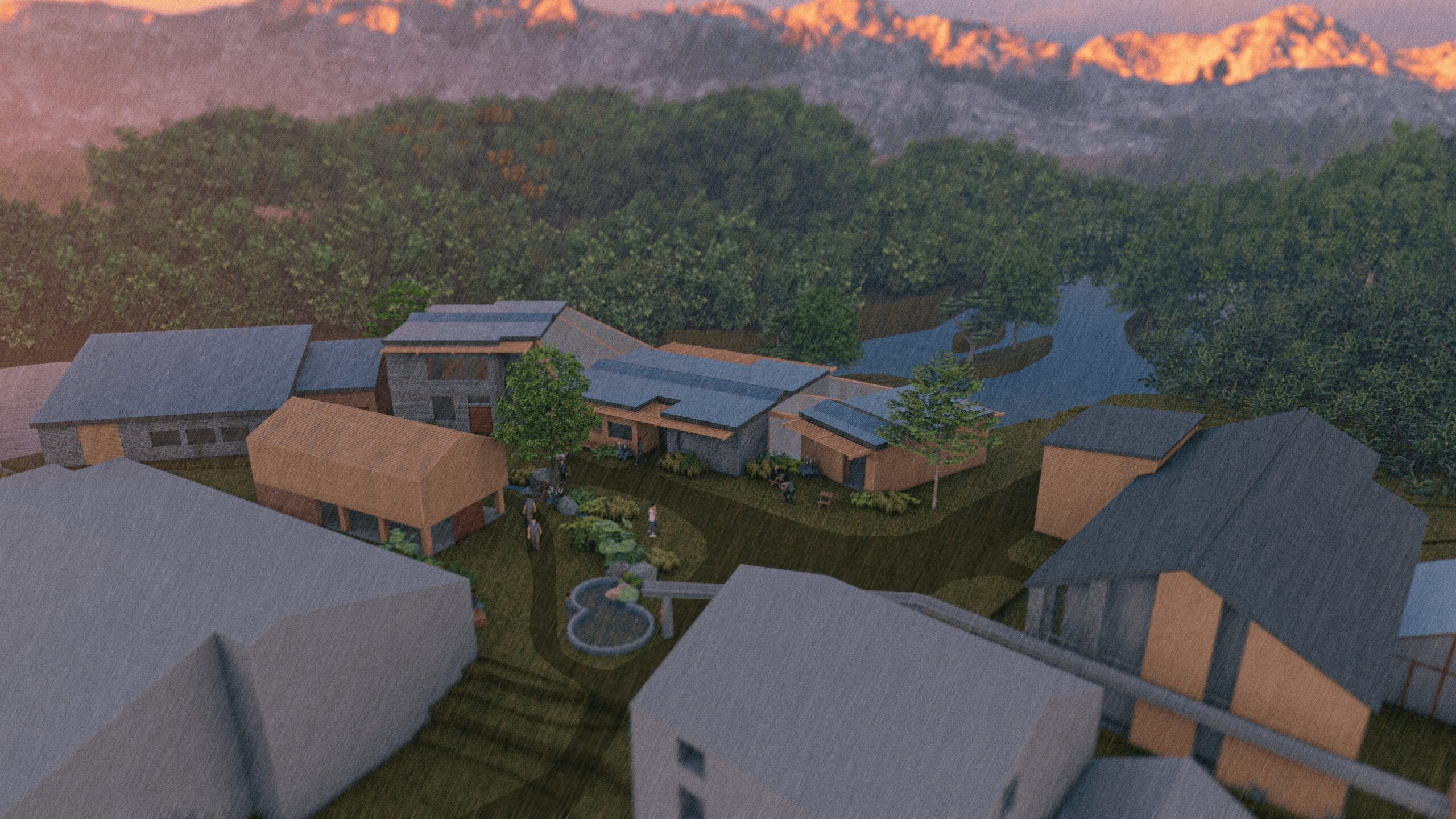
At the core of Andrew’s proposal is an acute sense of place. The Lake District, a landscape woven with both natural wonder and human endeavour, forms more than a backdrop—it provides material, narrative, and challenge. His response builds upon the mill’s historic bones, sensitively restoring its envelope while judiciously inserting new interventions that serve modern modes of making.
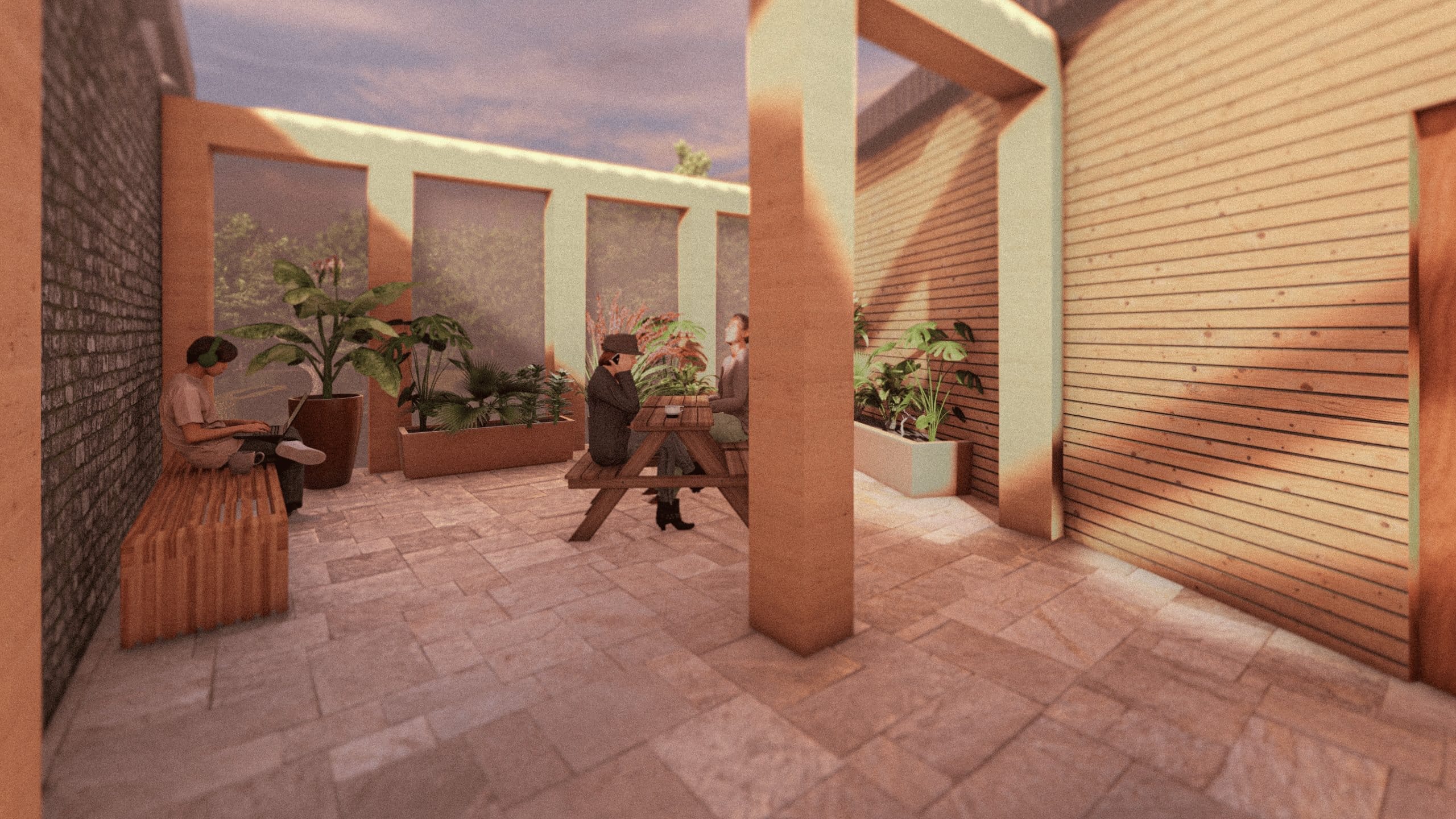
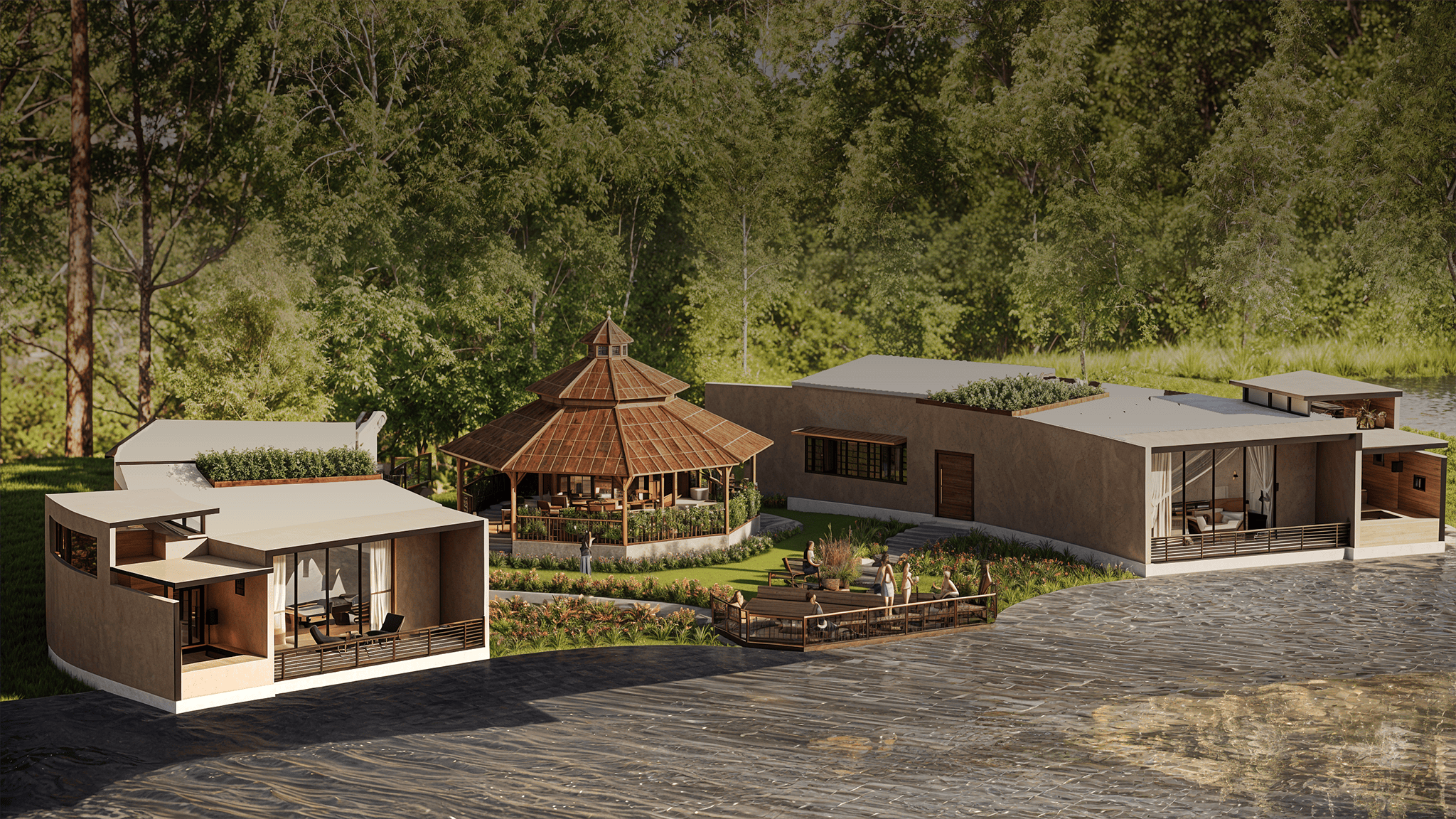
Where many adaptive reuse projects risk overpowering their context, Andrew’s scheme listens carefully. Stone walls are retained and exposed, their timeworn textures juxtaposed with precisely detailed timber insertions. Rooflines reference vernacular profiles, while new glazing frames carefully chosen views of the landscape, fostering dialogue between old and new, hand and environment.
The proposal extends beyond the physical. Imagining the site as a nexus for skills exchange, Andrew envisions spaces where craftsmen, designers, and the wider community intersect—a dynamic workshop, exhibition spaces, and learning suites opening the doors to both production and participation. In this way, the mill evolves from relic to resource, anchoring local identity and sustaining traditional craft through contemporary means.
Material Intelligence: Championing Timber Sustainability
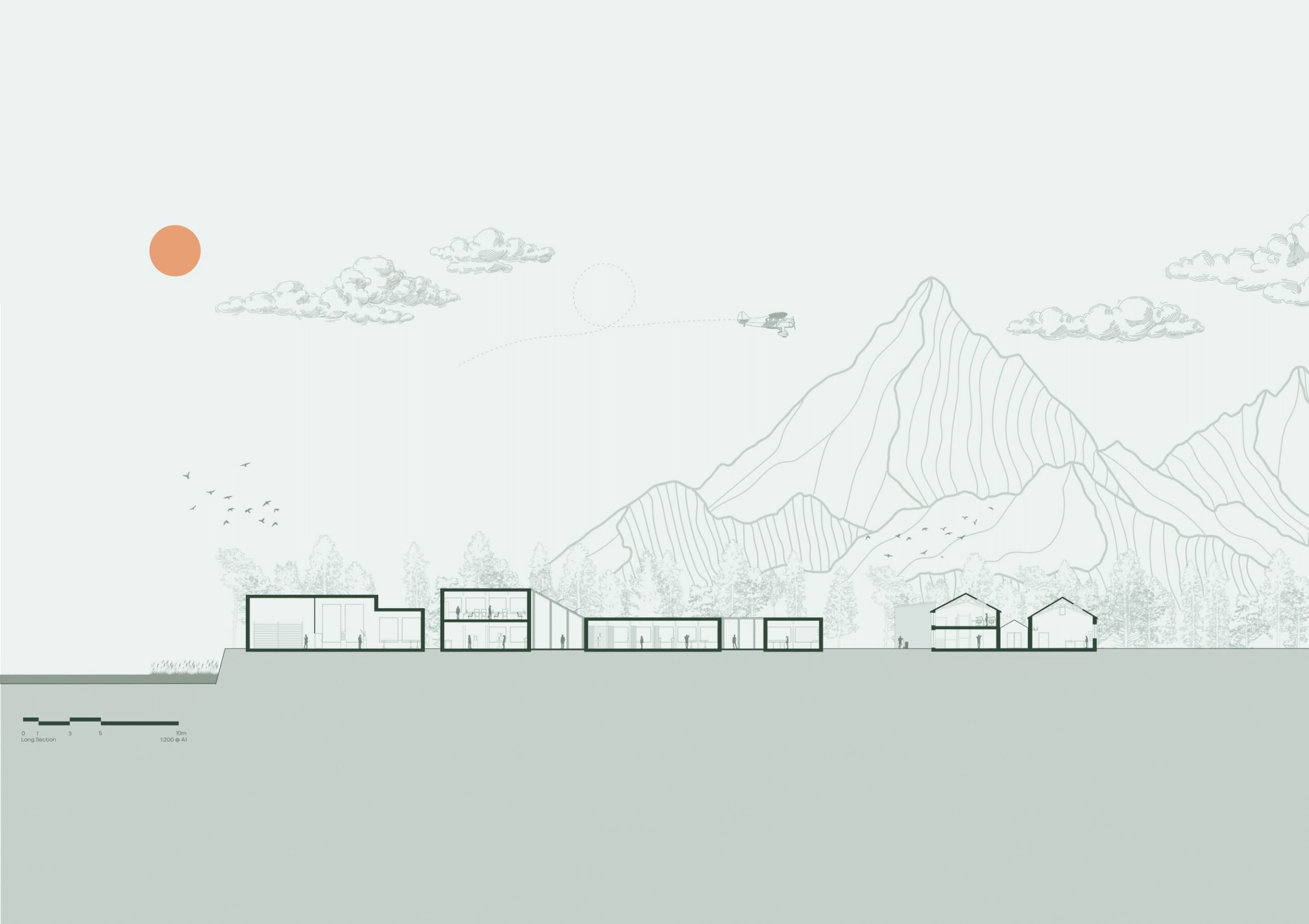
Perhaps the project’s most compelling aspect lies in its treatment of timber—not merely as aesthetic accent, but as the lifeblood of a new, circular approach to making. The design proposes regionally-sourced, low-carbon timber as the primary structural and expressive material. Detailed sections reveal innovative hybrid frames that nestle within the historic shell, balancing heritage conservation with exemplary environmental performance.
Passive design strategies—generous daylighting via northlights, natural cross ventilation, and thermally efficient upgrades—underscore a desire to tread lightly. Rainwater harvesting and biomass energy systems close the loop on resource consumption, reflecting Andrew’s commitment to architecture that is as responsible as it is restorative.
Technical Acumen: From Theory to Buildability
Andrew’s work is grounded in robust technical understanding and a pragmatic eye for delivery. His proposal compellingly navigates from conceptual sketches through fully resolved construction details, clearly articulating how old masonry interfaces with new timber structure, specifying durable and recyclable components with precision. This was part of what earned him the Third Year prize for Professional Practice—a testament not just to design sensitivity, but to readiness for the rigours of real-world practice.
Alongside strong narrative and design development, Andrew’s fluency across industry-standard software is apparent. Proposals are visualised with clarity and atmosphere through AutoCAD, Revit, SketchUp, and refined rendering in Lumion and Adobe Suite. This suite of digital fluency allows him to test alternatives iteratively and communicate ideas with both technical accuracy and clients’ imagination in mind.
Leadership and Ethos: Building on and Beyond Campus
Andrew’s talents are not confined to studio walls. As a driving force in the Lancaster University Architecture Society, he fostered a collaborative culture—sparking debate, coordinating events, and supporting his peers through the practical realities of architectural education. Those who worked alongside him attest to his level-headedness under pressure, a subtle leadership style, and a core ethos of sustainability and community benefit that never wavered, even as deadlines loomed.
A Voice for Environmental Responsibility in Practice
In reviewing Andrew’s portfolio as a whole, a clear pattern emerges—one that privileges environmental stewardship and social value. Whether designing single dwellings, co-living developments, or retrofits, he consistently seeks to deliver projects with contextual awareness and operational efficiency. His Lake District mill is the latest and perhaps most representative portfolio piece—a synthesis of technical skill, narrative strength, and moral clarity, asserting the role of architecture not only as a service to clients, but to heritage, locality, and the wider environment.
Connect with Andrew
For practices searching for a Part 1 Architectural Assistant with an immediately applicable skillset, robust technical foundation, and the creative drive to turn environmental values into built reality, Andrew Chatten emerges as a compelling candidate. His readiness to contribute—whether on bespoke dwellings or complex community schemes—reflects both his rigorous education and his personal ethos.
To connect or learn more about Andrew’s projects and aspirations, reach out via LinkedIn. Architects, collaborators, and mentors in search of a rising talent dedicated to responsible practice are warmly invited to start the conversation.





Add a comment