

Red Rock Solace by Aniket Adke explores desert retreat architecture through the dramatic setting of Cathedral Rock in Arizona. The project is strongest when read as a conversation between terrain, climate, material and human experience.
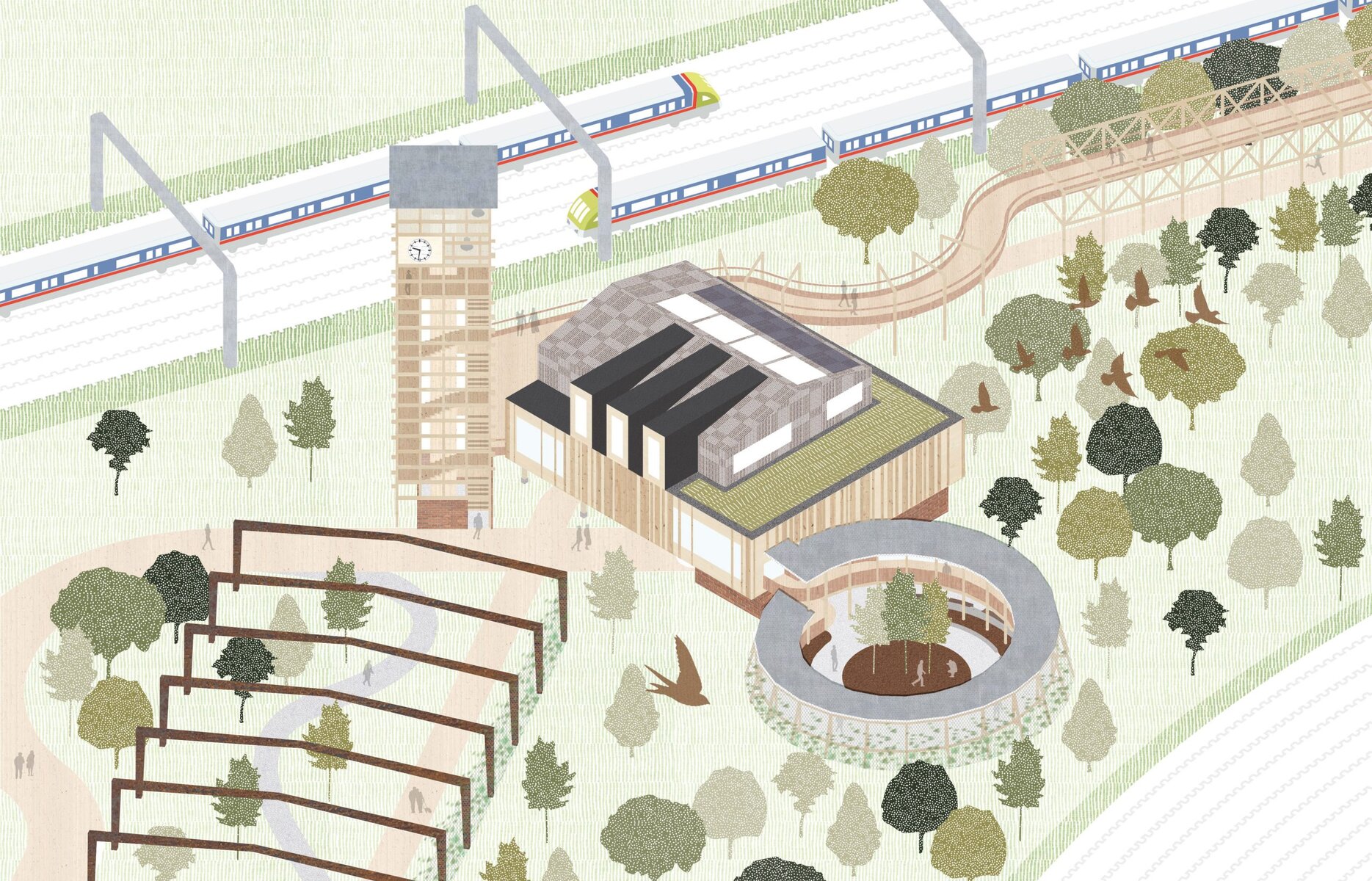
Rather than treating the red rock landscape as a scenic backdrop, the scheme uses the contours, light and scale of the site to shape the architectural response.

Architecture that works with terrain
The main value of the project is its attempt to integrate with a powerful natural setting. The retreat has to be calm, but it also has to be precise. In a landscape this strong, heavy-handed architecture would quickly feel false.
- The project draws on the mass and rhythm of the rock formations.
- Natural light becomes part of the spatial sequence.
- Vertical elements help mediate between ground, structure and view.
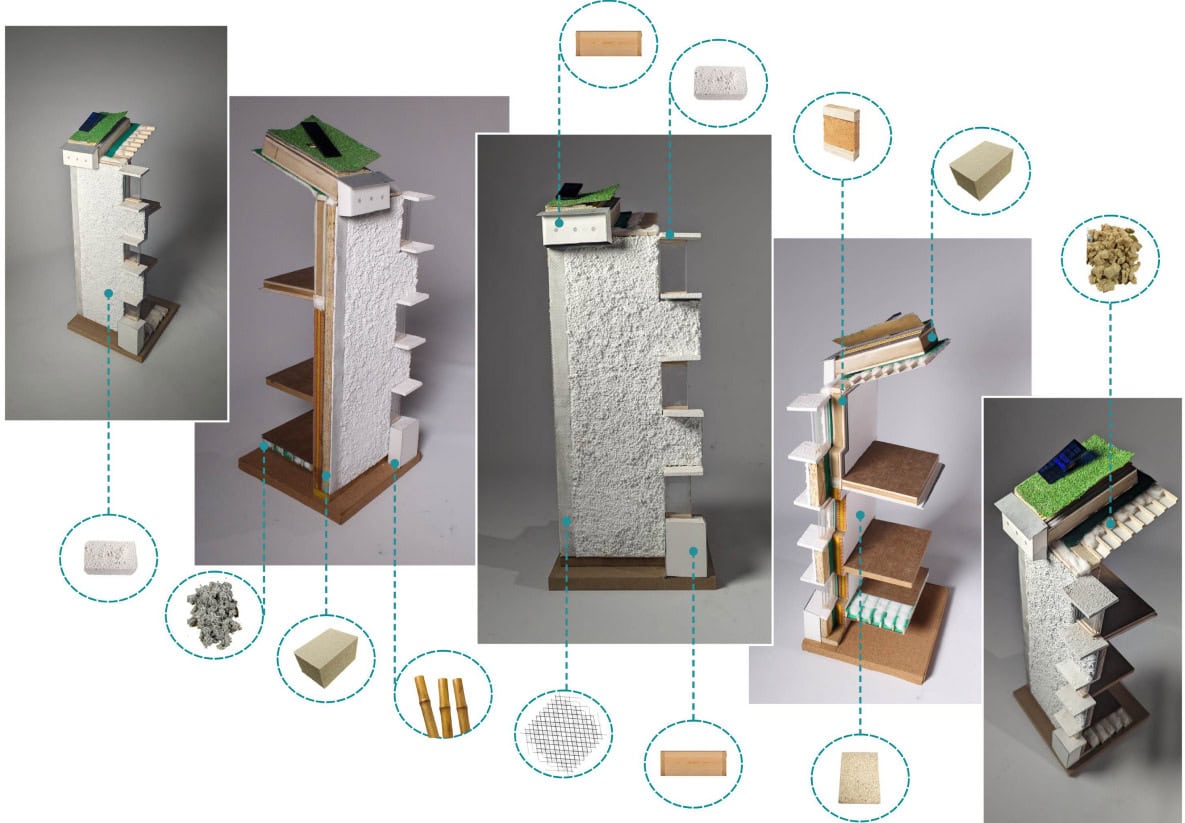
- Sustainable material thinking supports the environmental narrative.
Why the project needs clear evidence
Landscape-led projects can easily become vague if they rely only on atmosphere. Red Rock Solace is more convincing when the drawings, sections and models show how the architecture actually responds to orientation, site movement and occupation.
Portfolio lesson
For students and graduates, the lesson is to make the site response visible. A strong setting is not enough by itself. The portfolio needs to prove what the architecture does because of that setting.
Show the site response, not just the scenery
Landscape projects are easier to understand when the reader can see the design decisions that came from the site.
- Explain the site condition in plain language.
- Show how the plan, section or model responds to terrain.
- Use images that prove atmosphere and construction logic.
- Keep the project idea in front of the biography.
Next step
If you have a student, graduate or practice project with a strong site story, submit it to Architecture Social Showcase.
If this project has made you rethink your own portfolio or next move, browse current architecture jobs or contact Architecture Social for a recruiter’s view.


Add a comment