
Description
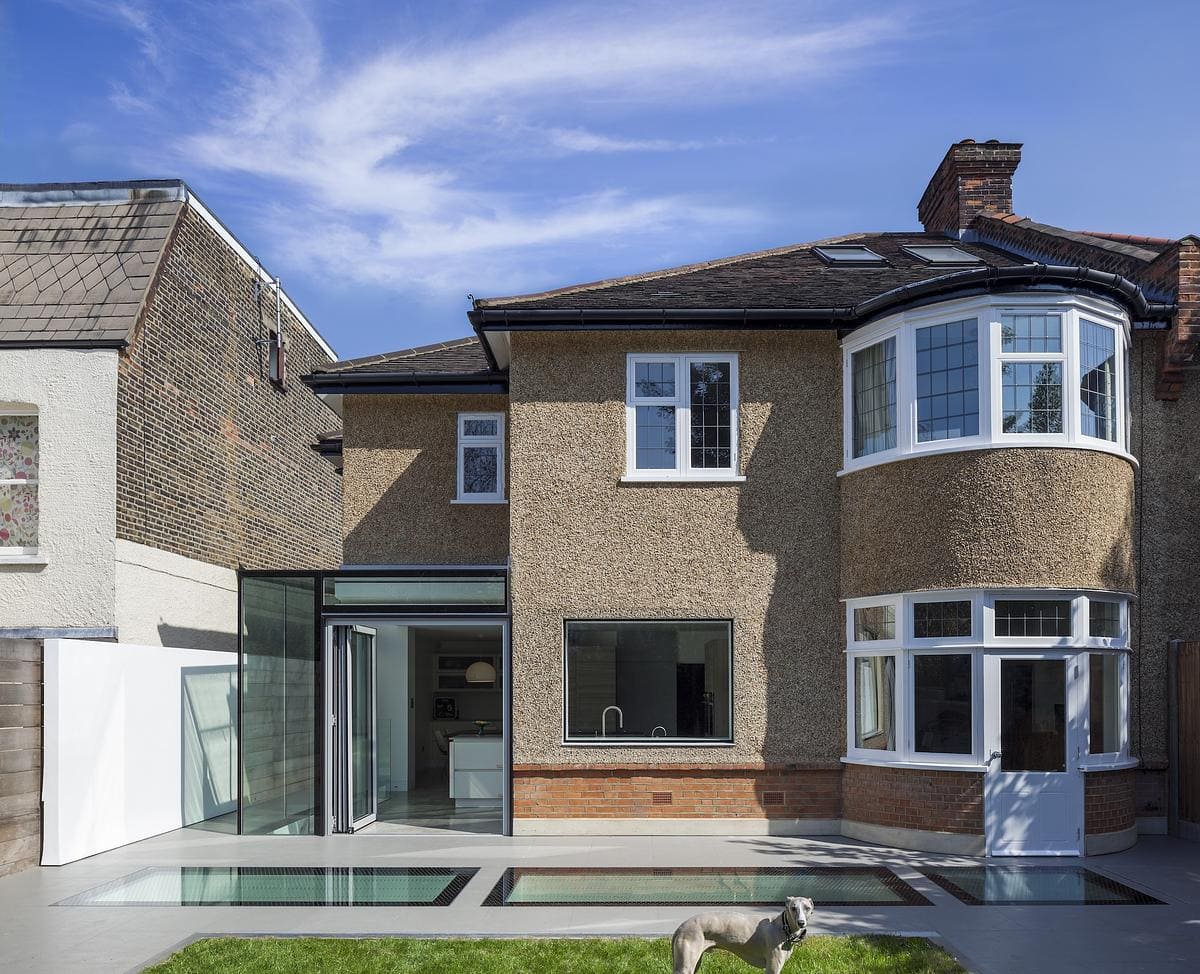
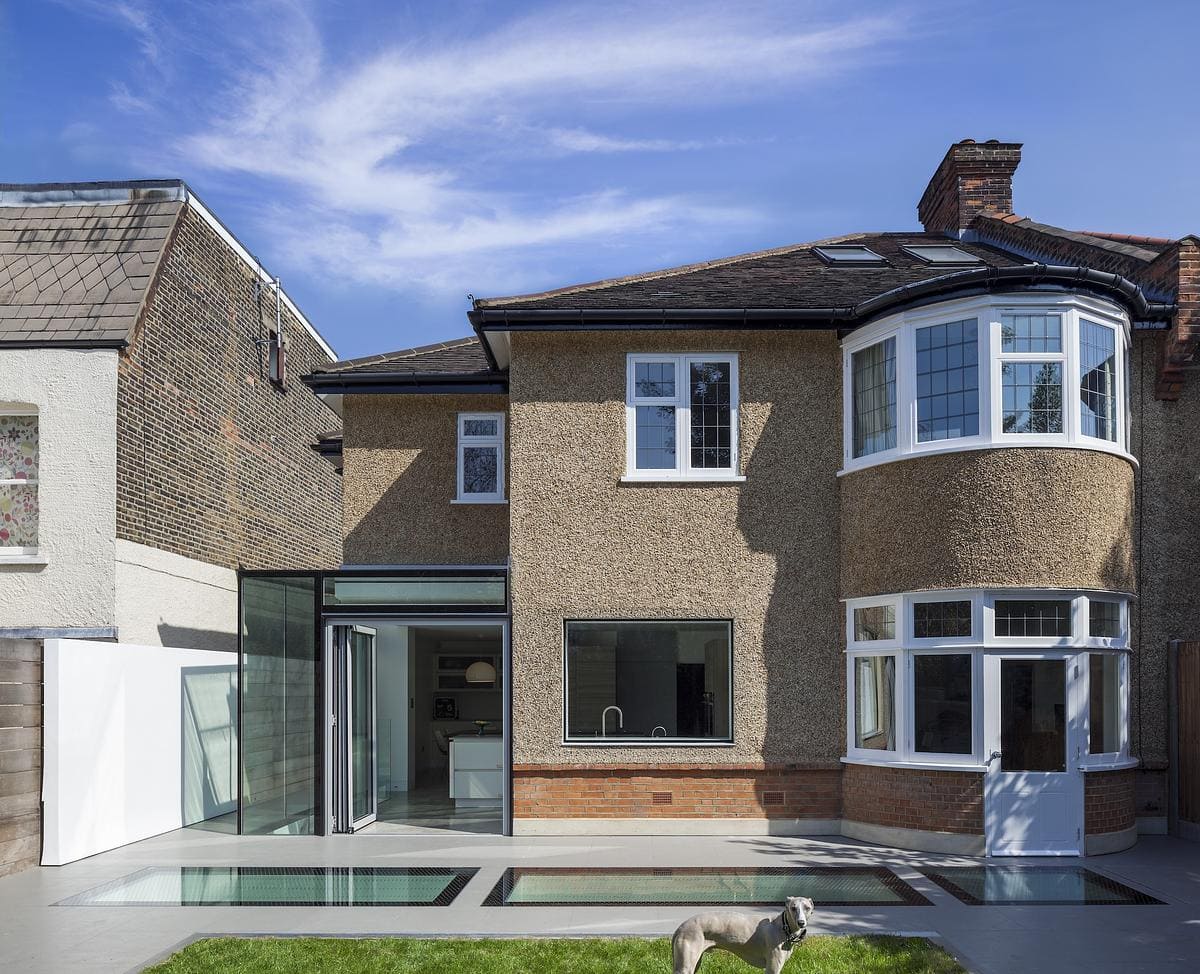
Move or improve? Home to the Glass family, this 1930s North London semi, built in brick with pebble-dashed render, had become cramped as the family grew. The clients had already extended the house in the 1990s, adding a loft conversion, a matching two-storey brick side extension and a framed glass infill with bi-folding doors to the rear. The upper floors worked well, but the kitchen and dining area quickly became untidy because of the awkward way the space was arranged.
Moving seemed the obvious answer. In practice, there were few larger properties available locally, and most needed complete refurbishment. Once the cost of buying, refurbishing, stamp duty and fees was added up, the family felt stuck. What they really wanted was a space where the family could relax, play and have fun, freeing the kitchen and dining areas of clutter and returning the reception rooms to the grown-ups.
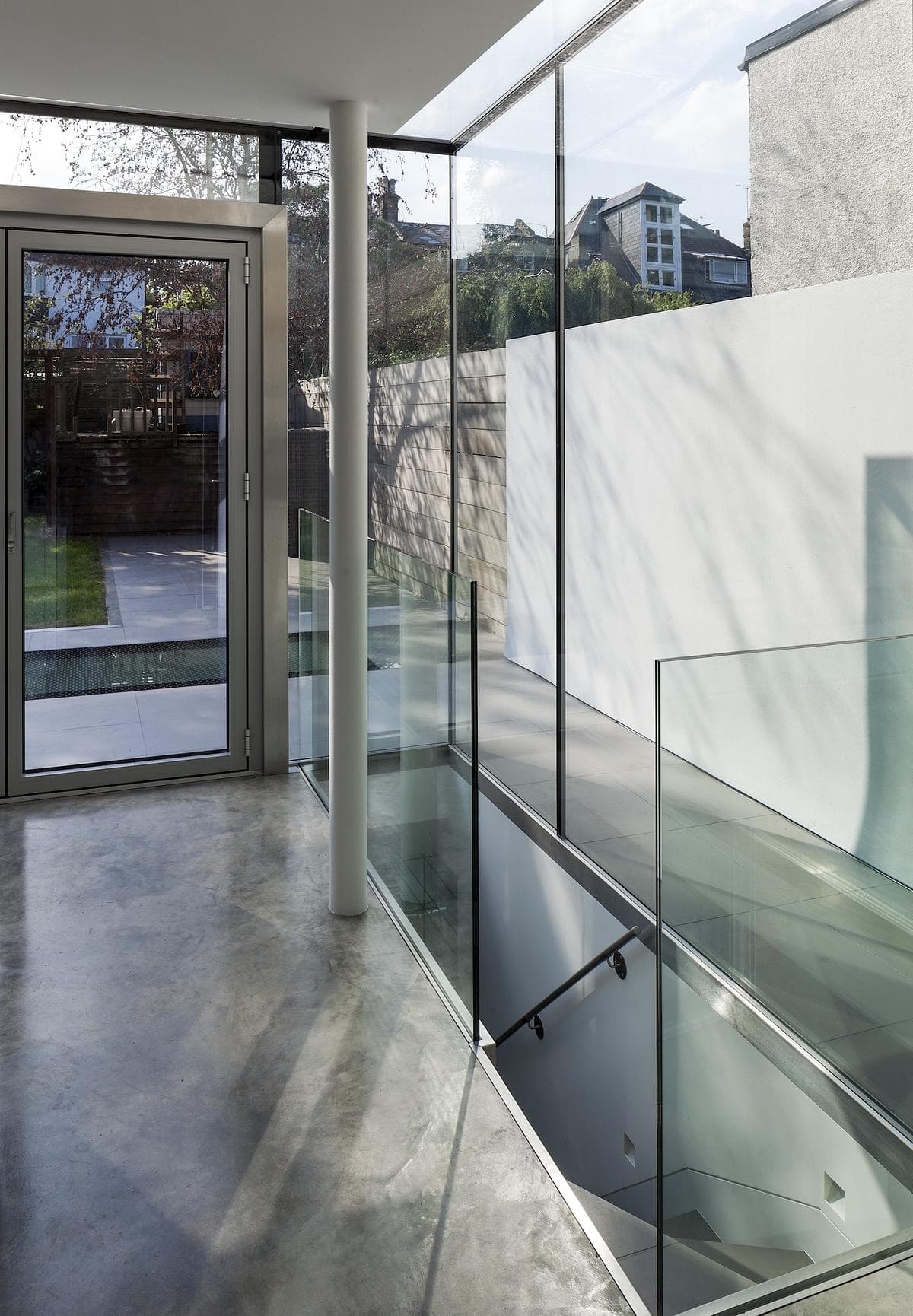
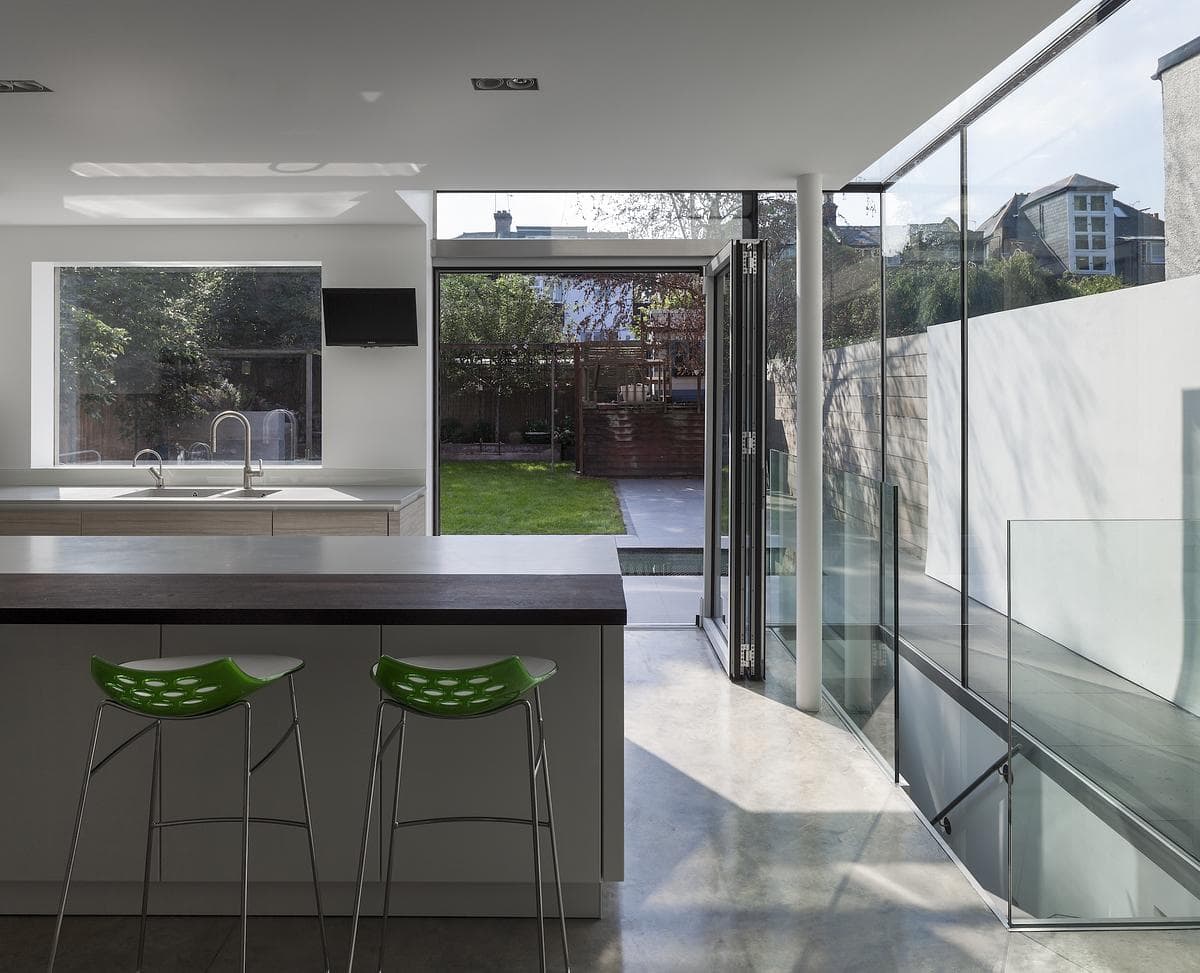
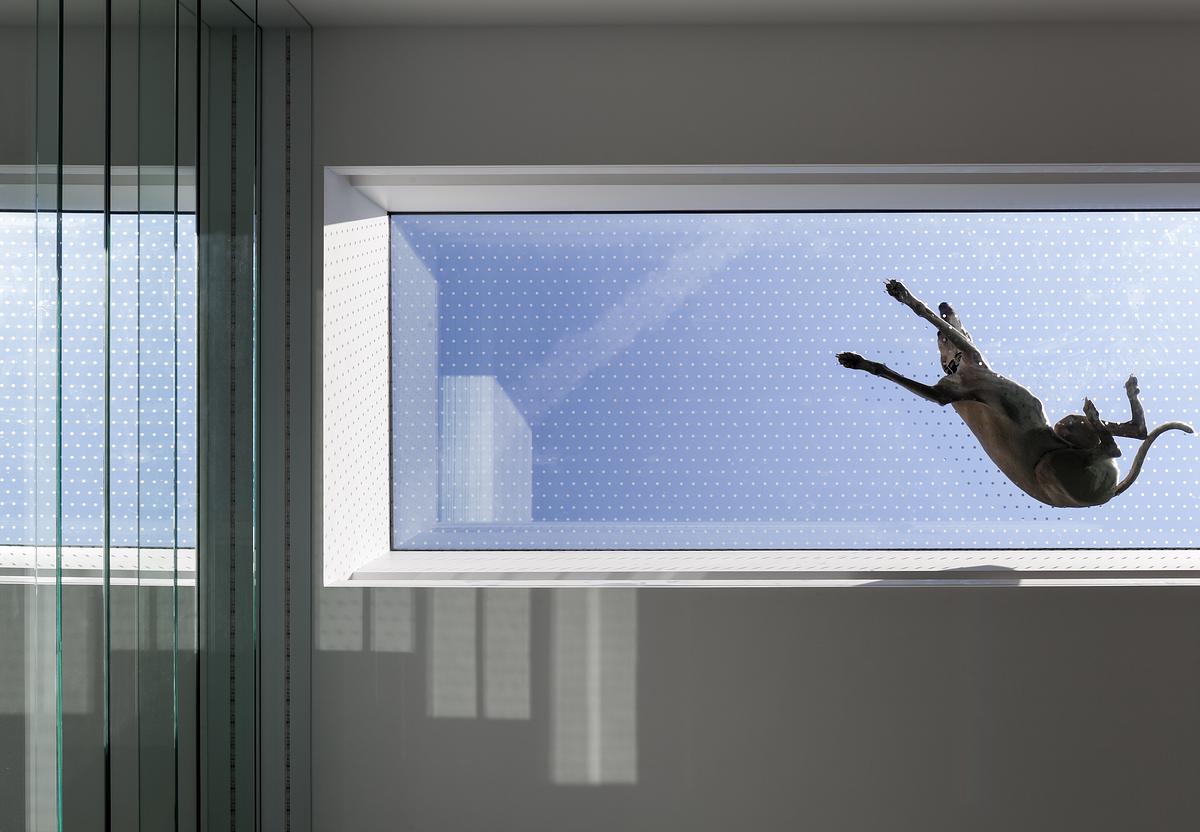
The solution was a basement. A large reinforced concrete box extends from the spine wall of the existing house, running the full width of the plot and out beneath a newly formed garden patio. Internally it reads as three bays, defined by the structural elements that carry the house above; externally, three large walkover rooflights sit neatly within the joint lines of the patio. On the ground floor, the kitchen and dining area was resolved first: with the garage underused, the wall between the two was pushed back and the kitchen reconfigured for a better flow of space. The earlier framed glazed infill was replaced with a larger structurally glazed box, shaped to funnel daylight down into the basement through the new staircase. Those stairs lead to a light-filled subterranean media room with an acoustic ceiling, along with a study, a guest suite, generous storage and a utility space.
Completed in 2014 across two levels, with a project budget of USD 360,000.
Architecture by Paul Archer Design. Joinery by B&A Woodworking. Photography by Andy Stagg.
Gallery
Company

Industry
Sector
Details
- Building Levels: 2
- Project Budget: USD 360,000
- Completion Date: 2014
- Photographer: Andy Stagg
Region
Discuss



