

Diamond Factory by Katarzyna Soltysiak is a circular economy architecture project that critiques greenwashing, carbon markets and the uneasy relationship between pollution and value.
The project imagines a 2050 scenario where excess CO2 from the aviation industry is used to produce diamonds. As pollution rises, the gems become cheaper, turning a sustainability promise into a sharper economic and ethical question.
Project visuals
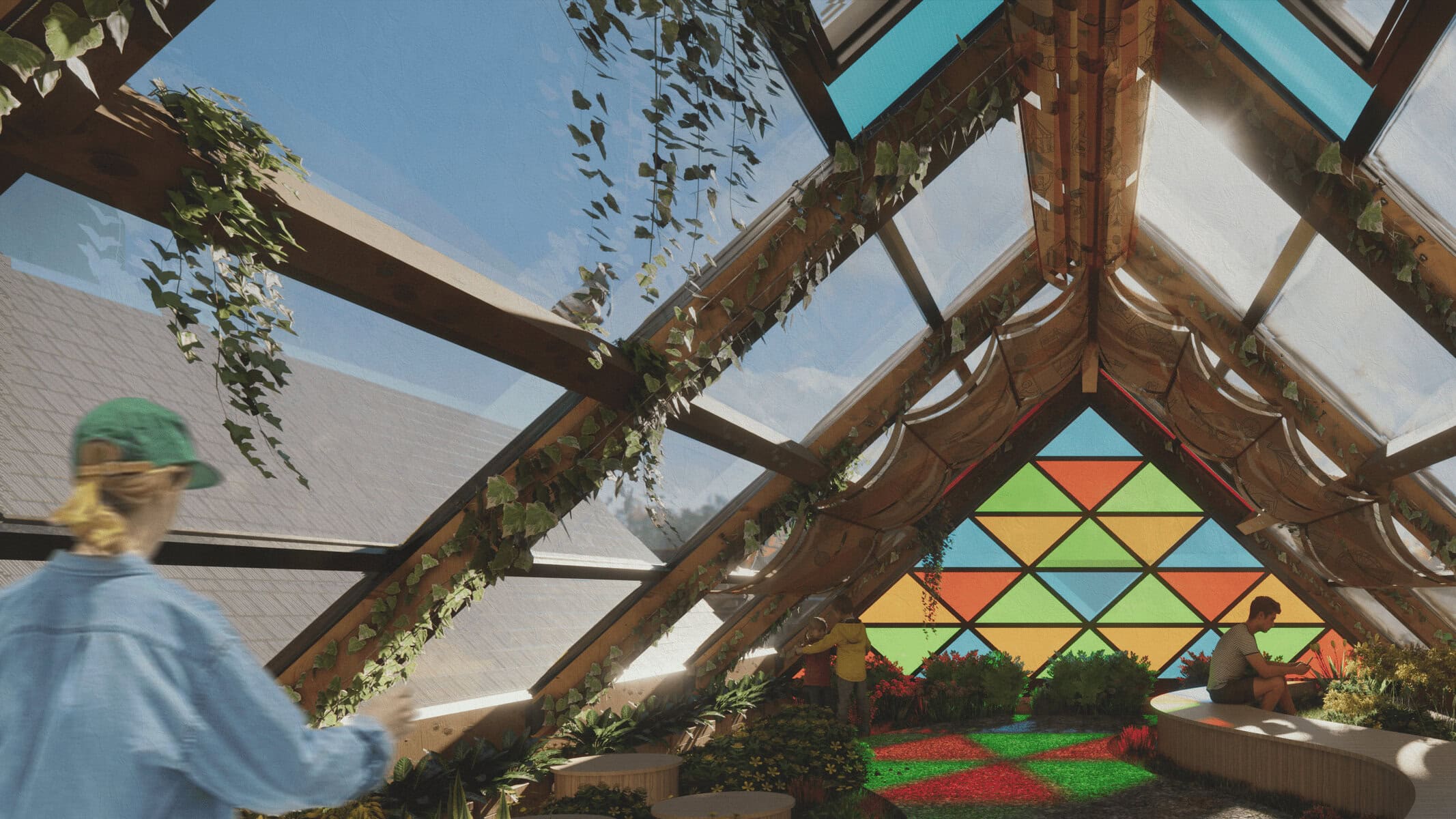
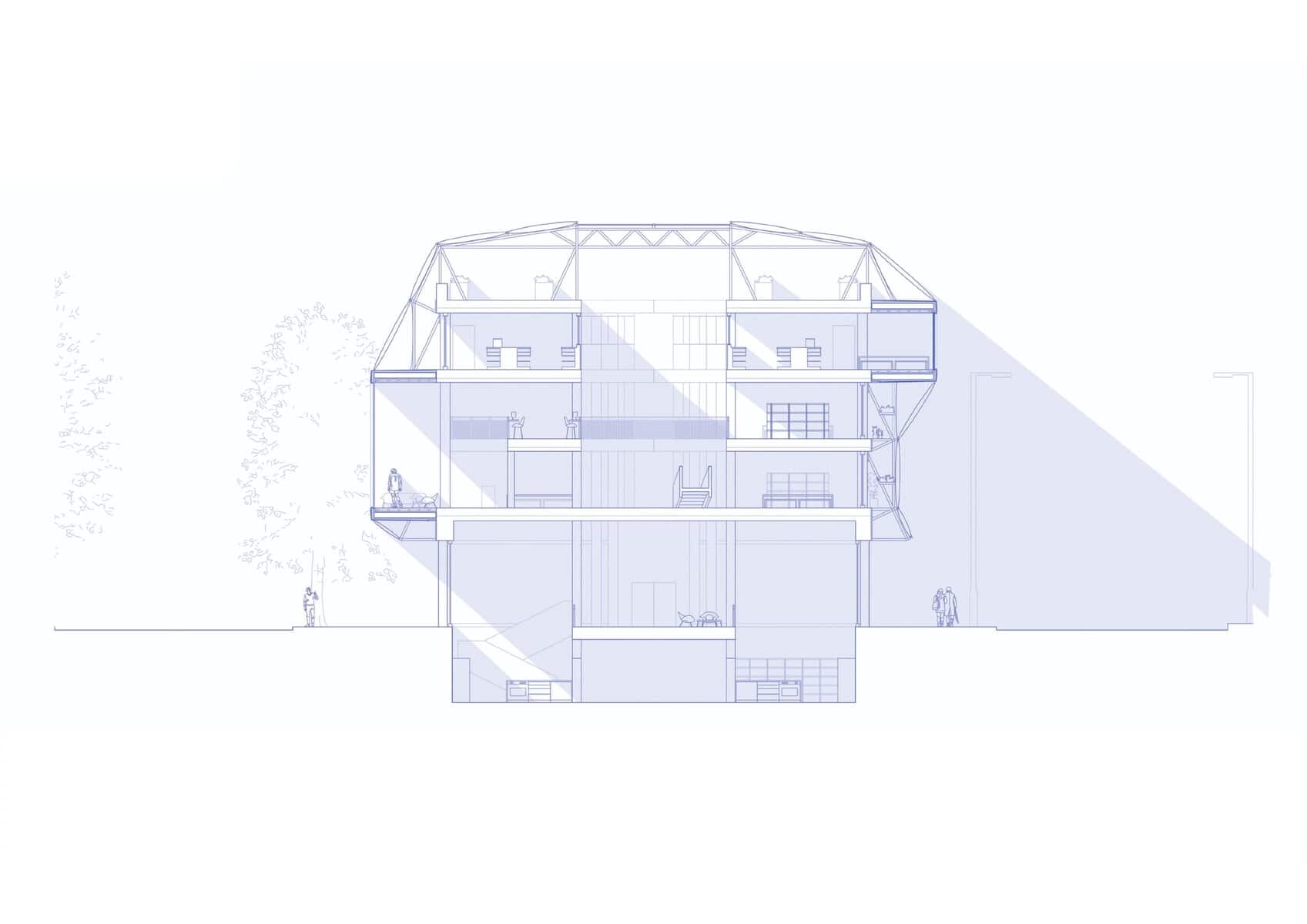
The project images show the speculative industrial world behind the thesis: production, atmosphere and the architectural consequences of turning carbon into commodity.


Project overview
Katarzyna is a Part II Architectural Assistant seeking employment opportunities and research projects in London. She graduated from the University of Brighton with a 2:1, completed Part I training in London with Cove Burgess Architects, then completed her Masters at TU Delft with distinction.
Her experience spans the UK, the Netherlands and Poland, and her interests sit around circular economy and social sustainability. Diamond Factory is a strong example of that interest becoming a spatial and political thesis.
Portfolio PDF
The portfolio viewer below gives more context on the Diamond Factory project and Katarzyna’s visual approach.
What the project is questioning
- Whether circular economy language can hide continued extraction or pollution.
- How a market can make environmental damage appear productive.
- How architecture can make an economic contradiction visible.
- How speculative scenarios can support serious sustainability critique.
- How a Part II portfolio can combine research, narrative and drawing craft.
Showcase a sustainability thesis
Architecture Social can feature student work that tackles circular economy, climate, material reuse, greenwashing or critical sustainability questions.
- Make the argument clear in plain language.
- Show the project evidence behind the critique.
- Explain the scenario without burying the reader in theory.
- Connect the design work to real built-environment questions.
Architecture Social view
Stephen’s recruiter view is that critical projects need discipline. A strong sustainability thesis should challenge the reader, but the drawings, model, system and narrative still need to be clear enough for a practice to understand.
Next step
Explore more student projects, read the portfolio guide, or submit a circular economy project.
If this project has made you rethink your own portfolio or next move, browse current architecture jobs or contact Architecture Social for a recruiter’s view.



Add a comment