

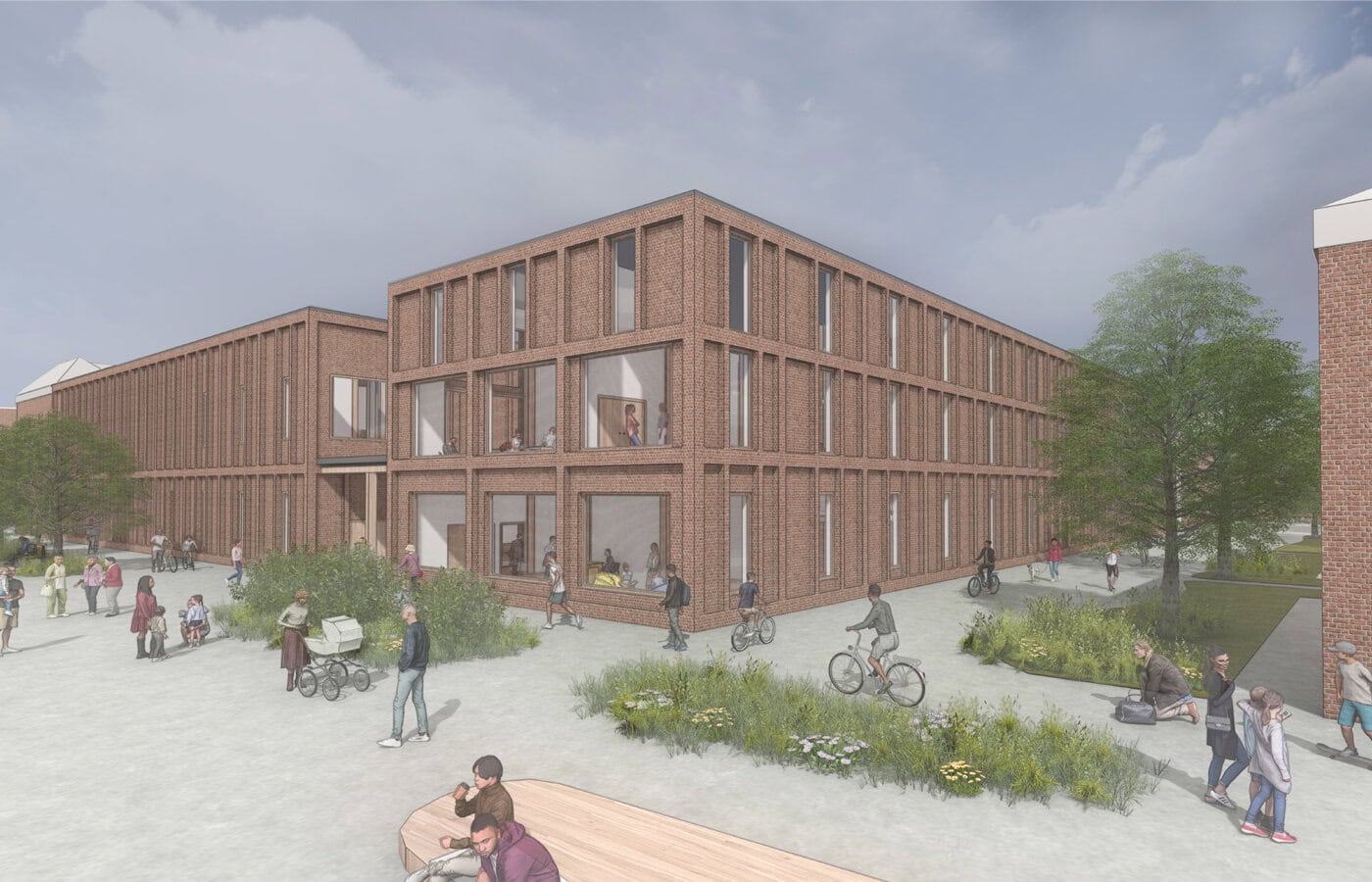
Oliver Shad’s Glasgow Green project looks at how an underused urban pocket can become a community-focused architectural proposal rather than a leftover piece of city.
The page works best when the project leads: place, community, sustainability and public use first, then Oliver’s Part I and practice experience as supporting context.


Project focus
The thesis is centred on a derelict pocket near Glasgow Green. That gives the project a clear urban task: take a neglected place and turn it into a useful community asset.
Sustainability matters here, but so does social use. A community hub has to explain who it serves, how people arrive, what happens inside and how it improves the everyday experience of the area.
Candidate context
Oliver studied at the University of Nottingham and gained year-out experience with EPR Architects before continuing his studies through the Welsh School of Architecture. That background helps frame the project as both academic work and early professional development.
Portfolio lesson from this project
Community projects need more than good intentions. The strongest version shows the site problem, the user groups, the programme and the small design moves that make people want to use the place.
Project routes and links
Use these routes to connect with the designer or keep browsing Architecture Social project work.
Showcase a community architecture project
If your project turns an overlooked site into a useful public place, make the before-and-after logic easy to understand.
- Name the underused site condition.
- Show who the project is for.
- Explain how the design changes everyday use.
Next step
Explore more project work in the Architecture Social Projects directory, or submit your own project for the showcase.
If this project has made you rethink your own portfolio or next move, browse current architecture jobs or contact Architecture Social for a recruiter’s view.


Add a comment