Projects / Project
PowerPlay: Urban Energy In Motion
PowerPlay is a speculative civic proposition that fuses community sport, renewable energy production, and ecological learning into a single regenerative system. Framed around a district-scale biomass cogeneration plant and a kinetic sports infrastructure set in the capital of English Sunday League Football, the projec…
Development view 1
- Project context
- Conceptual
The story
The story behind the work.
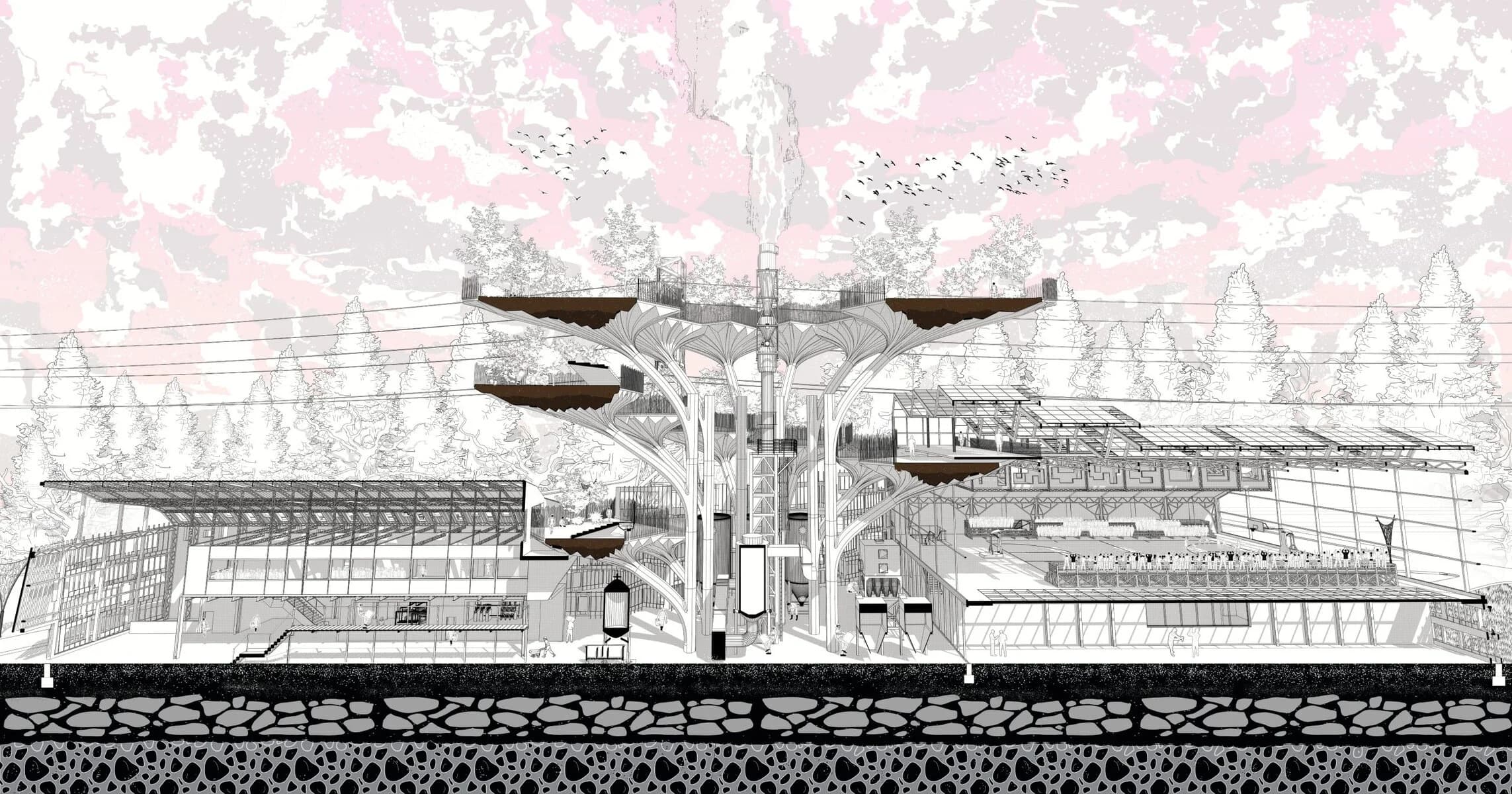
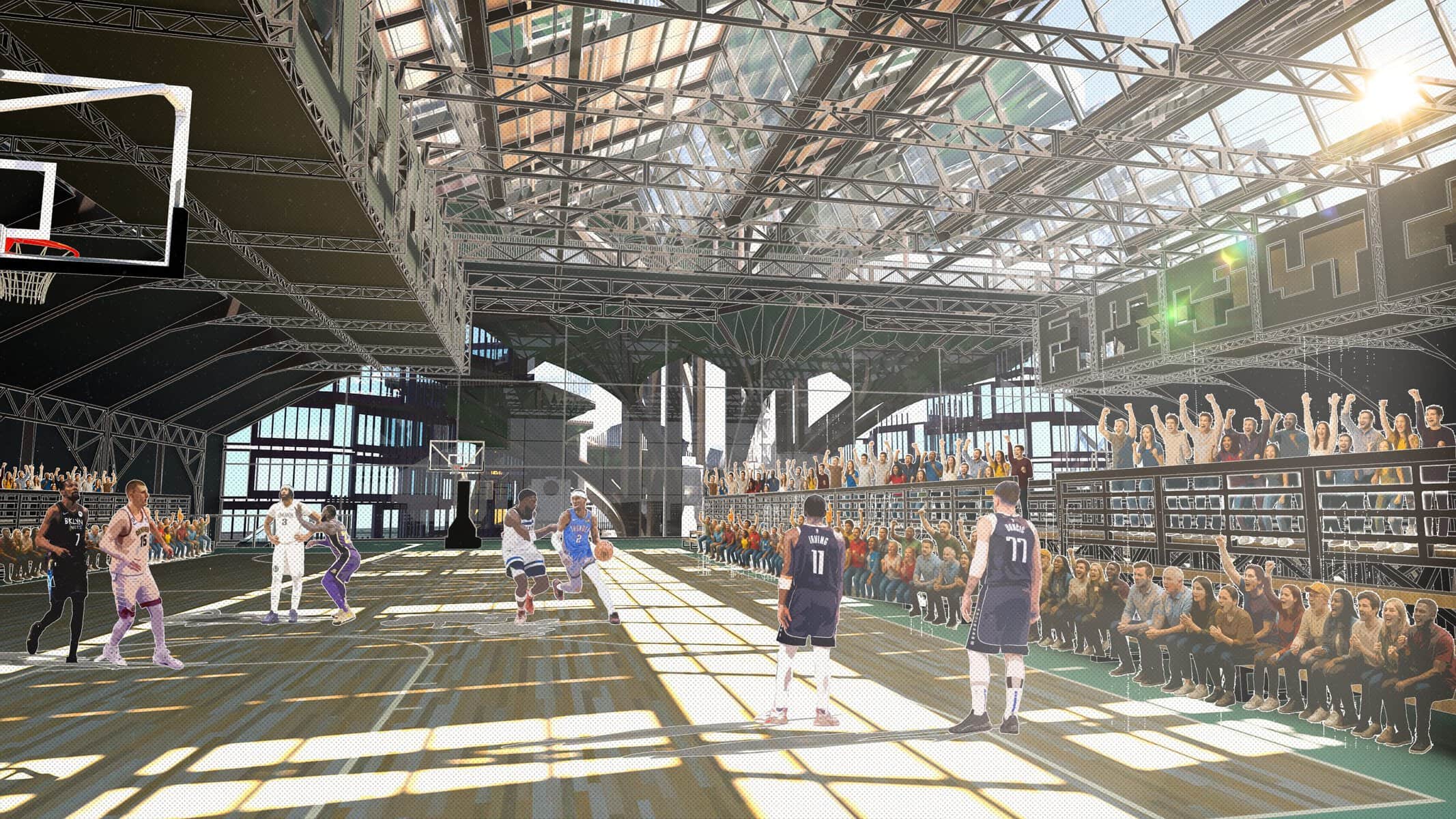
PowerPlay is a speculative civic proposition that fuses community sport, renewable energy production, and ecological learning into a single regenerative system. Framed around a district-scale biomass cogeneration plant and a kinetic sports infrastructure set in the capital of English Sunday League Football, the project explores how architectural typologies can serve as living systems - metabolising energy, waste, and social movement into a continuous urban loop.
Development view 2
Development view 3
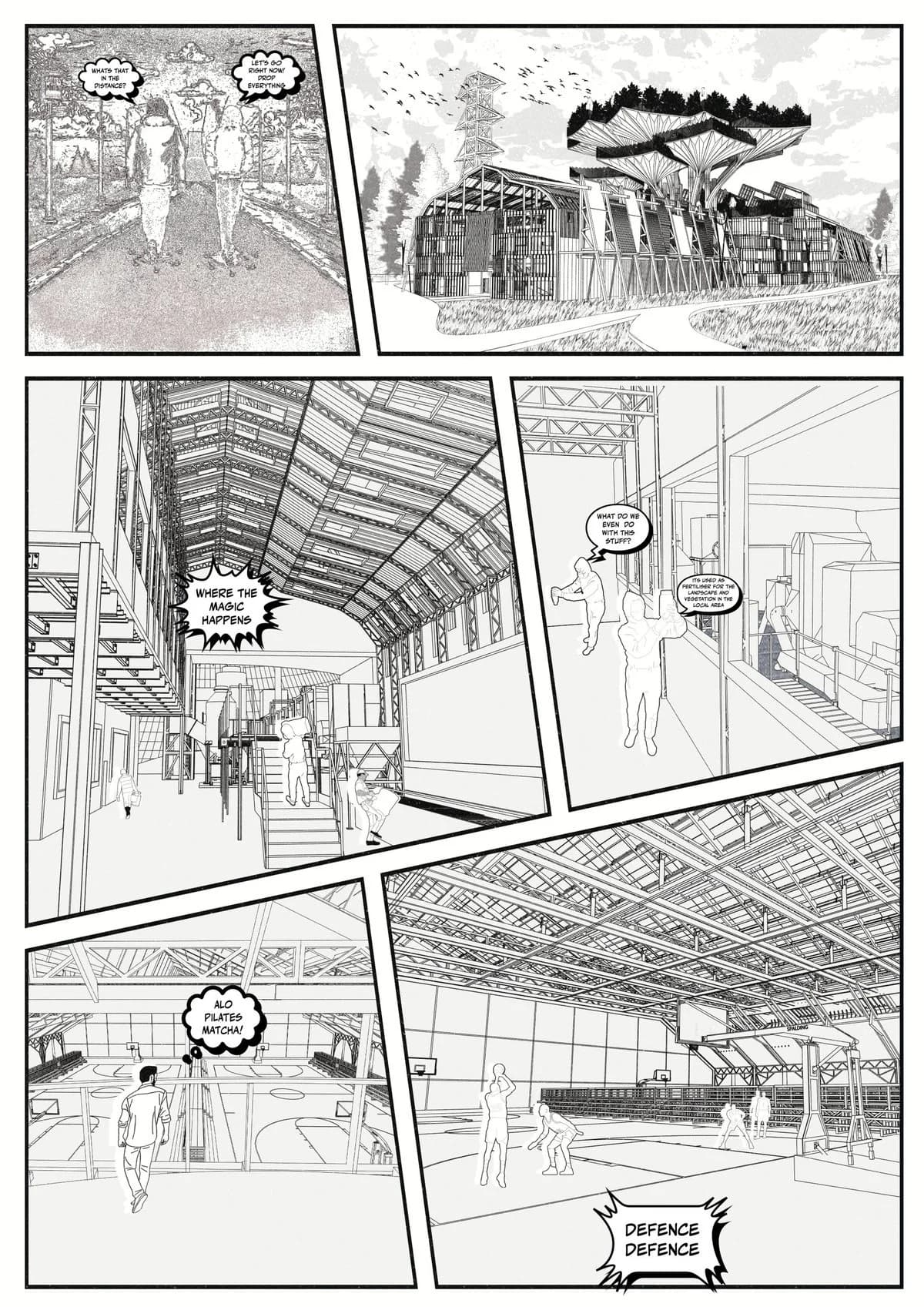
Development view 4
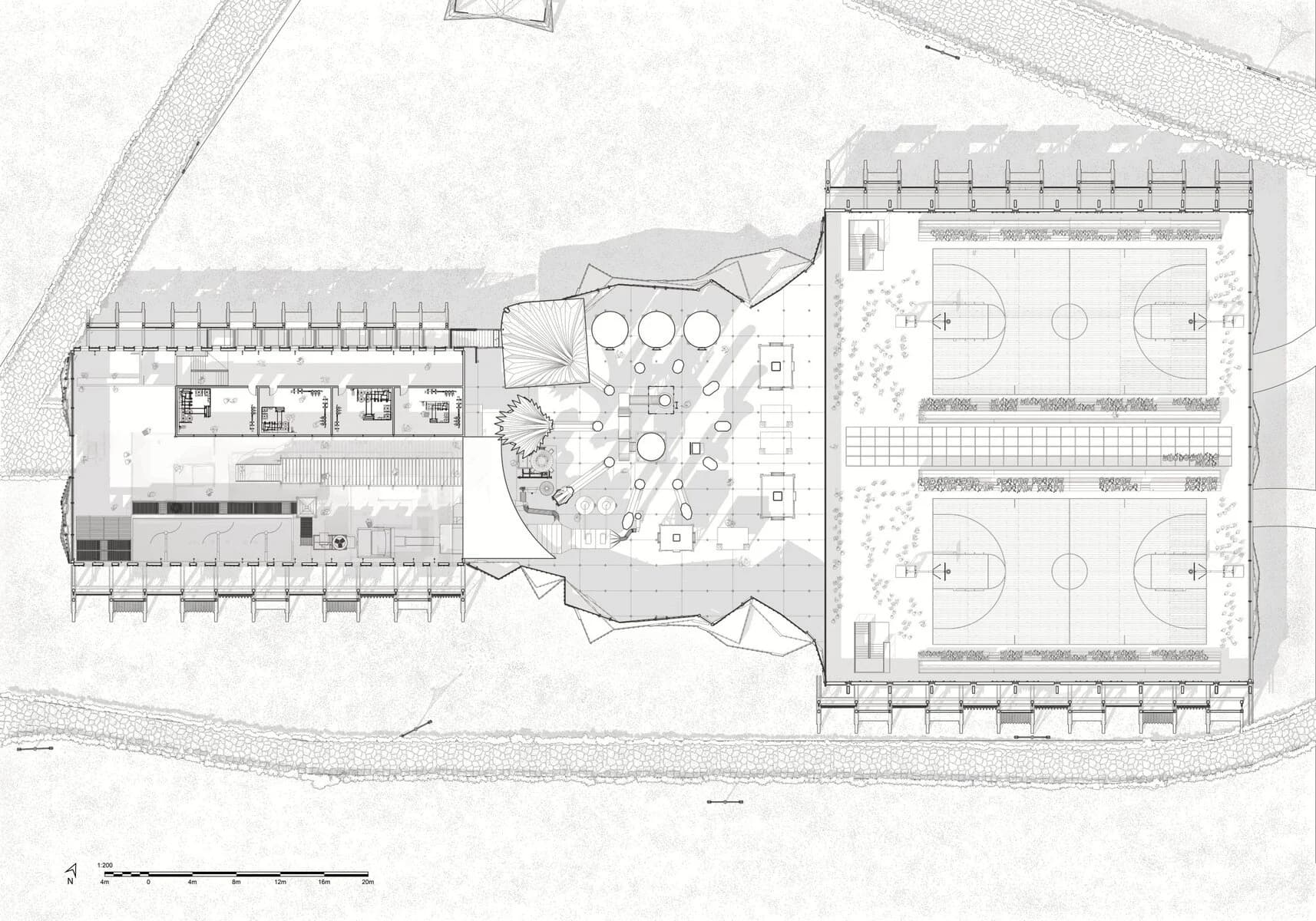
Development view 5
Credits
- Submitted by
- Mohamed Chemali
- Designer study history
- University of Westminster
Something wrong with this listing?
Tell us if it is inaccurate, not genuine or a concern. Our team reviews every report.
Keep exploring