

The Blind Spot by Fatimah Ishmael is an anti-surveillance architecture project set in Fengdu Ghost City, China. The proposal imagines a monastery shaped by privacy, ritual and resistance to constant observation.
That gives the project a strong conceptual edge. The challenge is to turn a powerful idea into spaces that readers can understand through images, thresholds, atmosphere and movement.
Project images


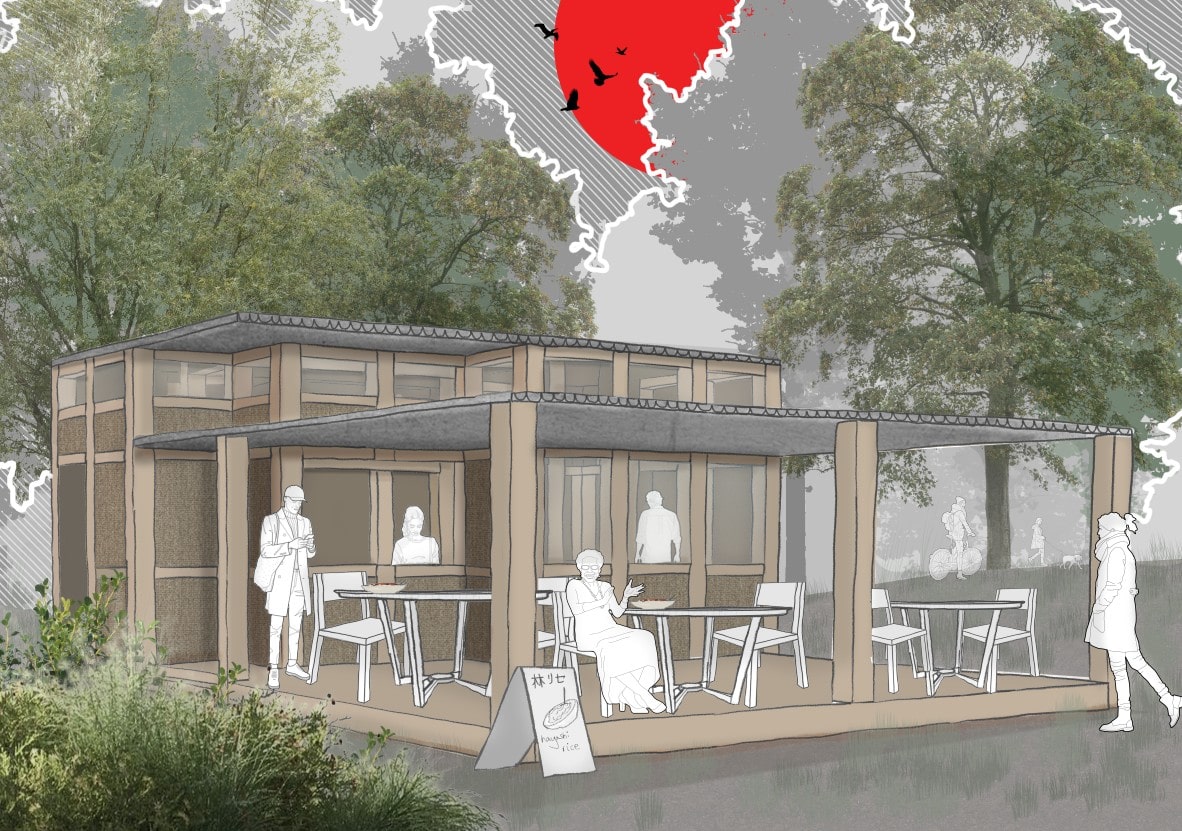
Why the surveillance idea matters
Surveillance is not only a technical topic. In architecture, it affects thresholds, sightlines, routes, hiding places, ritual spaces and the balance between safety and control.
By framing the building as a monastery, the project adds another layer. It asks how retreat, contemplation and community might operate in a place where visibility itself becomes political.
Tools and representation
- Revit helps structure the project into a coordinated architectural model.
- V-Ray supports the atmosphere, light and material studies needed for the concept.
- Strong visuals are important because the project depends on mood as well as plan logic.
- The best portfolio version should connect the privacy concept to specific spatial decisions.
Portfolio lesson from The Blind Spot
A conceptual project is easier to trust when the reader can see the design rules. If the theme is privacy, show what becomes visible, what is hidden, how people move, and where the architecture changes behaviour.
Project routes and links
Use these links to connect with Fatimah or view more Architecture Social project showcases.
Showcase a conceptual architecture project
Strong thesis work deserves a page that explains the idea and the evidence without making the reader decode everything alone.
- Name the concept clearly.
- Show the spatial rules behind it.
- Use captions to connect images back to the design idea.
Next step
Explore more student work in the Architecture Social Projects directory, or submit your own project for the showcase.
If this project has made you rethink your own portfolio or next move, browse current architecture jobs or contact Architecture Social for a recruiter’s view.




Add a comment