
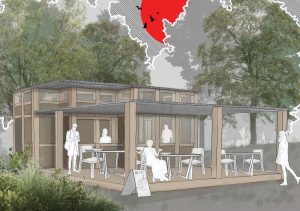
Sustainabowl Pavilion by Leilou Walmsley
Leilou Walmsley uses Japanese joinery, timber and biodegradable materials to design a small sustainable pavilion for food and gathering.
Leilou Walmsley uses Japanese joinery, timber and biodegradable materials to design a small sustainable pavilion for food and gathering.
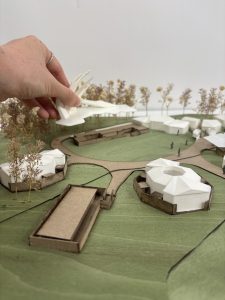
Rebecca Stinchcombe’s SignScape turns Lavernock Battery into an inclusive BSL Festival landscape.
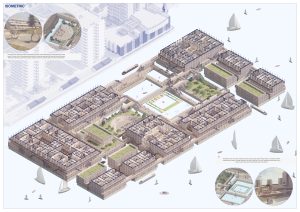
Gagandeep Sandhu’s Thamesmead project explores floating homes, flood resilience and climate-adaptive housing.
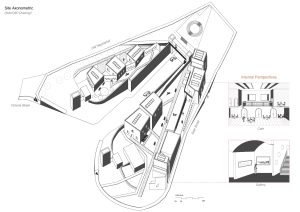
Samantha Wood’s Solaris project reimagines Liverpool’s Queensway tunnel entrance through cycling, light and urban regeneration.
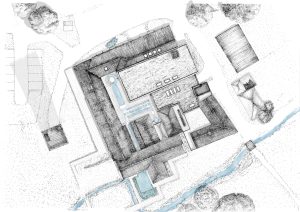
Jasmin Solaymantash’s Watershed Collective turns a historic Fife farm steading into a centre for water stewardship, learning and wellbeing.
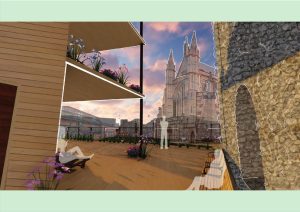
Zoe Mould’s A Quiet Space project explores spiritual architecture design in Winchester through cohousing, meditative studios, biophilic landscape and sustainable materials.
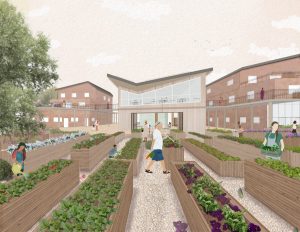
Victoria Salami’s Norwich Food Hub explores community architecture, refugee integration, food culture and shared enterprise.
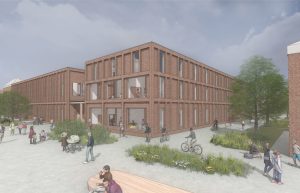
Hannah Finnigan-Moffat’s Nottingham project connects sustainable textiles, circular making and urban regeneration.

A source-led guide to the RIBA President’s Medals 2021 and what architecture students can learn from award-winning work.
