

Coille an Am by Christopher Briggs is a rewilding architecture thesis set in Glen Affric, exploring woodland stewardship, time, climate adaptation and the idea of architecture grown with a forest.
The project is useful because it does not treat the landscape as a backdrop. The forest becomes the material source, the construction logic and the long-term programme.
Project gallery
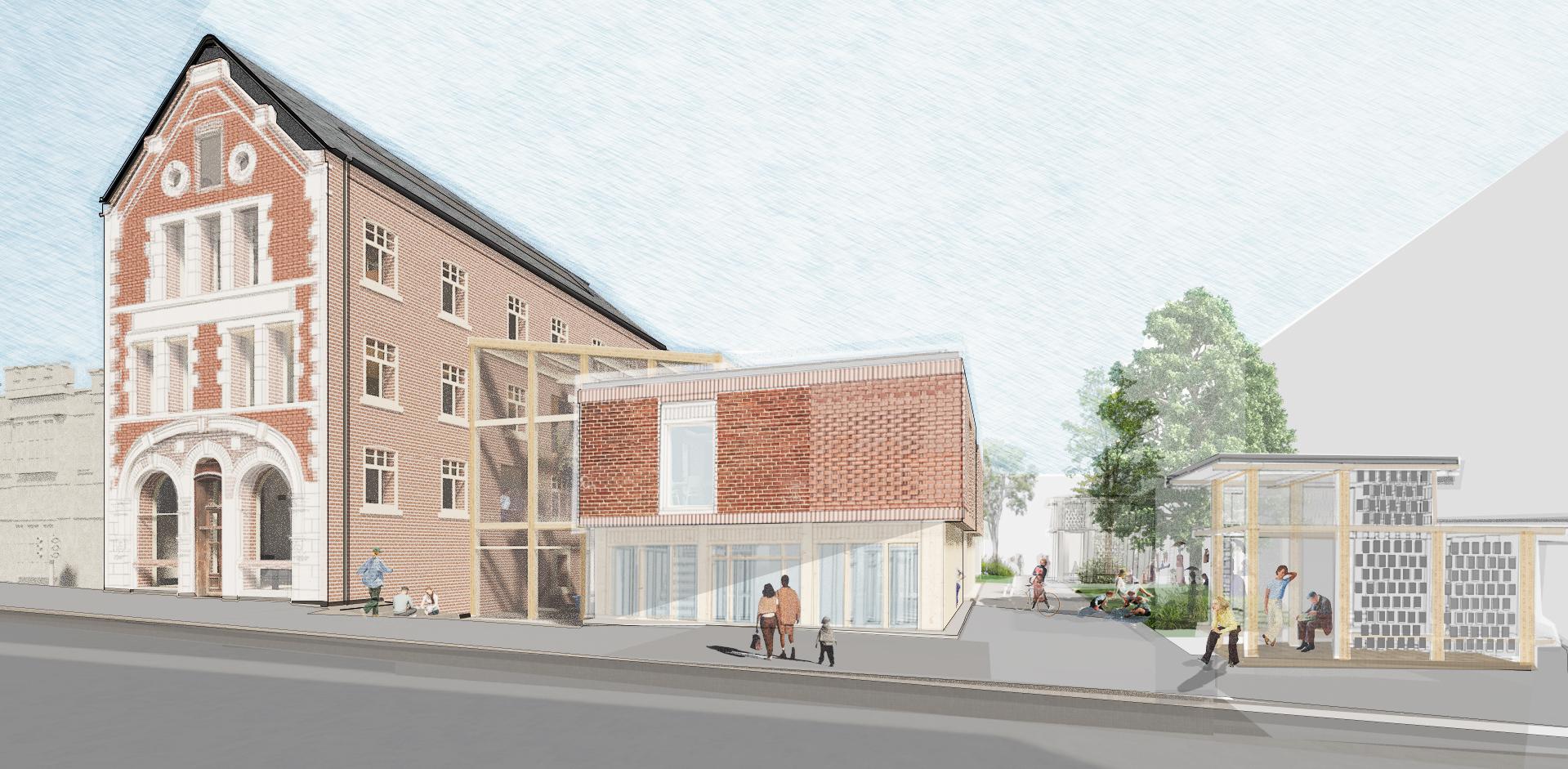
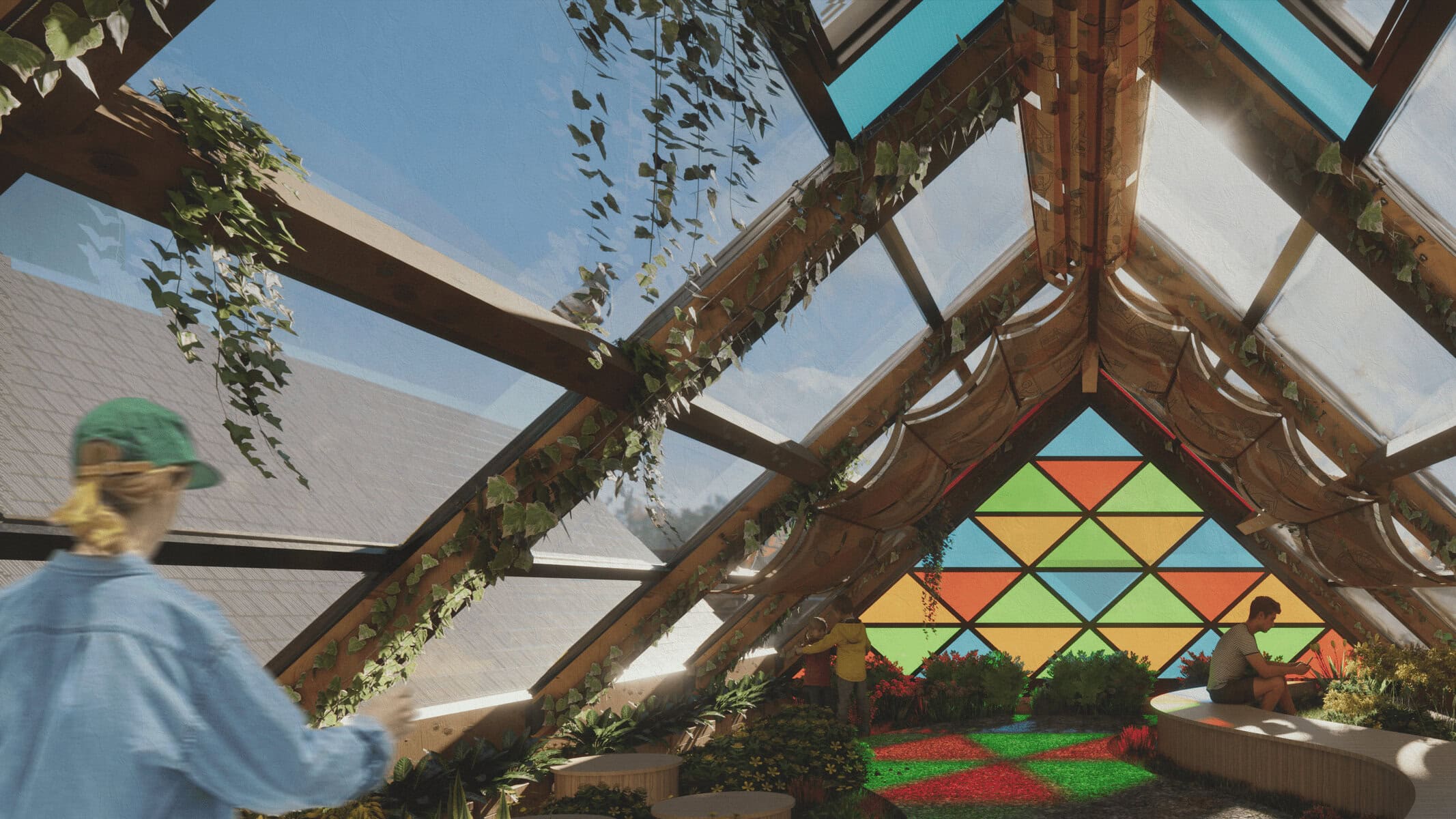
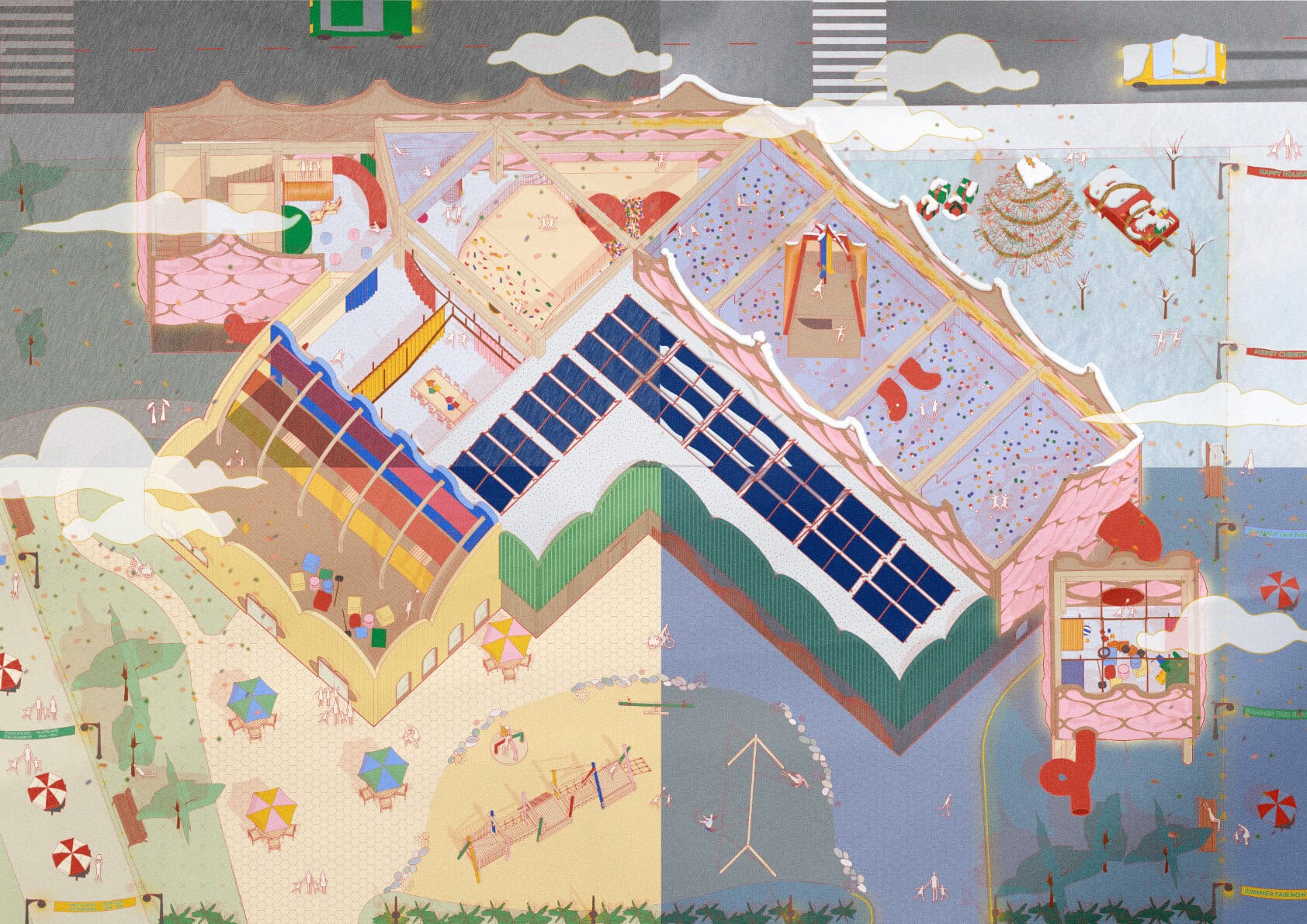
The project visuals show a woodland architecture that sits between archive, shelter, ecological process and material strategy.
Project overview
Christopher is an MArch graduate from the University of Westminster and a RIBA Part II Scholarship recipient. Coille an Am, or Forest of Time, uses Glen Affric as a living laboratory for ecological architecture.
The project proposes an anthropogenic forest where architecture is part of a managed and changing ecology. Structures are grown, harvested, dismantled, composted and replaced over time.
What rewilding changes in the brief
- The forest is treated as a living construction site, not a scenic setting.
- Native species such as Scots pine, birch and hazel shape the material strategy.
- Timber construction is linked to regenerative silviculture.
- The architecture is designed for cycles of replacement and adaptation.
- The role of the architect shifts towards steward, facilitator and long-term planner.
Showcase an ecological thesis
Architecture Social can feature student work that explores rewilding, landscape, climate adaptation, timber, material cycles or environmental stewardship.
- Explain the ecological process in plain language.
- Show how time changes the architecture.
- Make the material cycle visible.
- Connect the poetic idea to drawings, models and method.
Explore Christopher’s project source
Architecture Social view
Stephen’s recruiter view is that ecological portfolios need both imagination and method. A phrase like active collaboration with time is strong when the drawings show exactly how that collaboration works.
Next step
Explore more student projects, read the portfolio guide, or submit an ecological architecture project.
If this project has made you rethink your own portfolio or next move, browse current architecture jobs or contact Architecture Social for a recruiter’s view.


Add a comment