

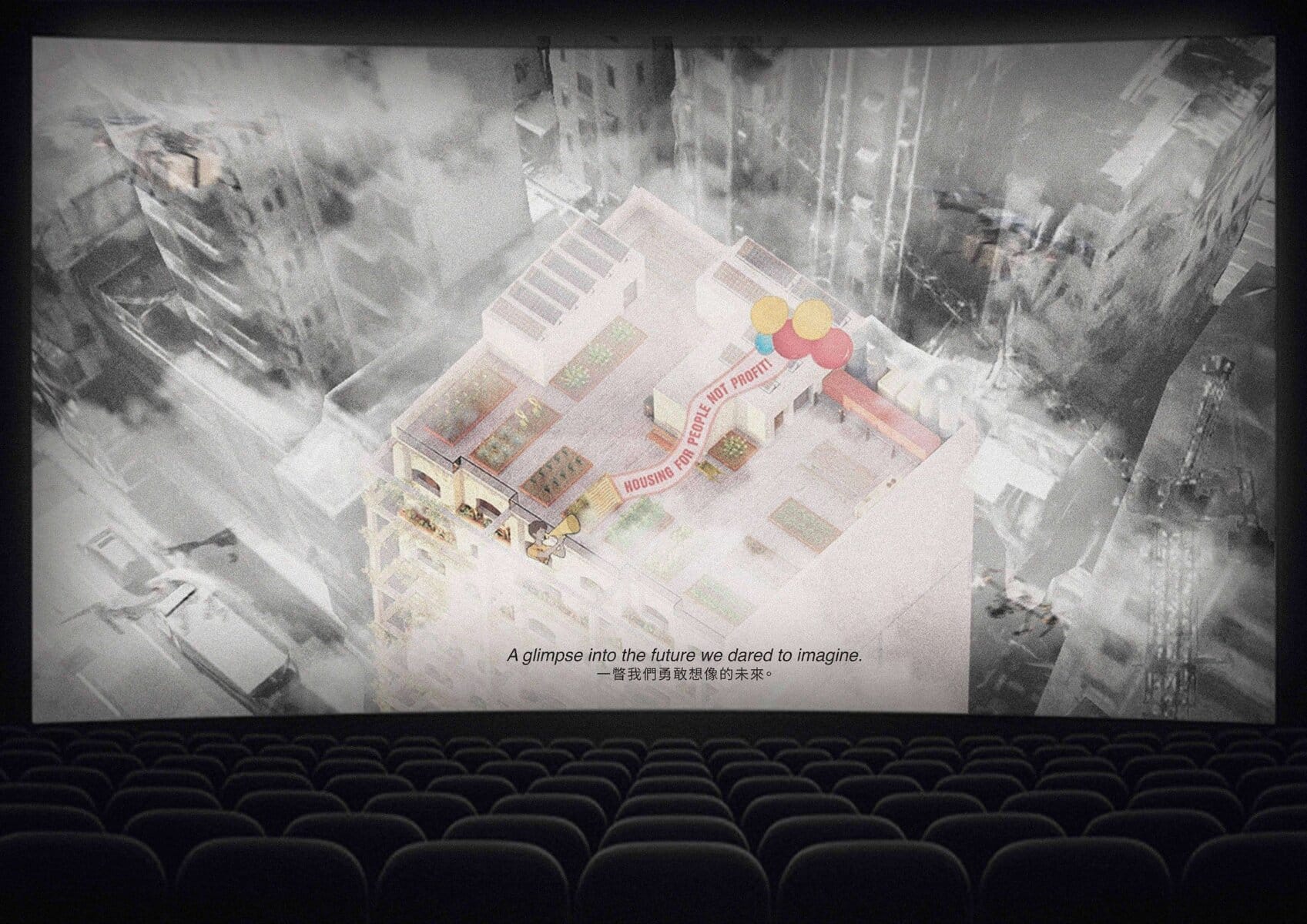
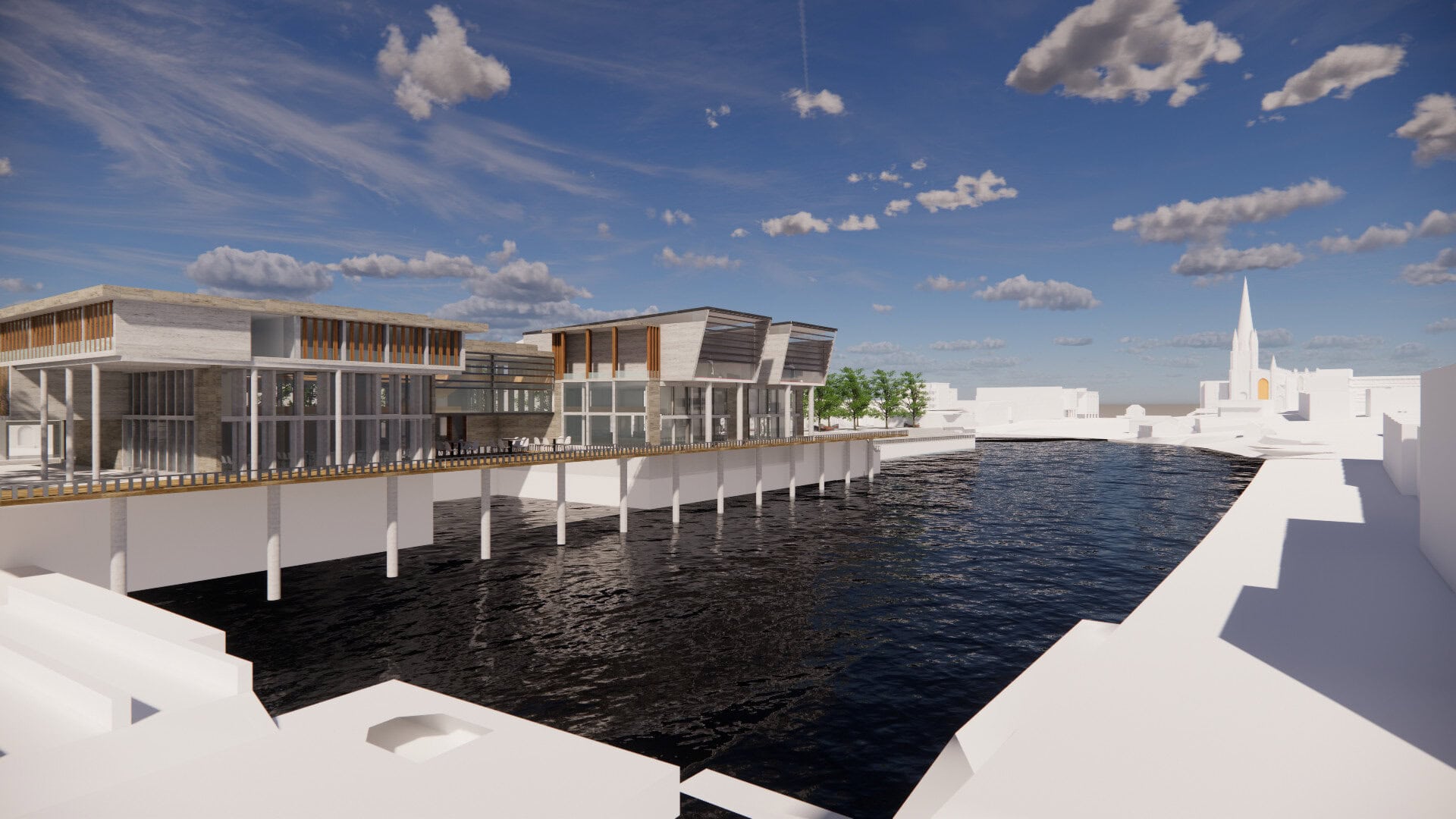
Two Worlds Design by Hamza Shaikh sits between a student project, a research initiative and a wider interest in how communities shape architecture.
The original post pointed to Hamza’s Masters project, its DesignBoom feature and his work through Two Worlds Design. The useful angle now is the relationship between research, community engagement and future practice.

Project overview
Hamza’s work explores local needs through research, interviews, fieldwork and workshops. Rather than treating community as a slogan, the project looks at how dialogue can shape design decisions.
The original article also pointed readers to twoworldsdesign.co.uk, which remains the best place to follow the wider research and design initiative.
What makes the work useful to study
- It connects architectural design with direct community research.
- It treats sustainability as part of the process, not just a final claim.
- It considers how technology and virtual reality can support design communication.
- It shows an early-career designer building a public research identity around the work.
Portfolio lesson
If your work is research-led, make sure the portfolio shows evidence. Include who you spoke to, what you learned, what changed in the design and how the final proposal responds.
Showcase a research-led architecture project
Architecture Social can feature projects that combine design, fieldwork, technology and community research when the process is clear.
- Show the question behind the project.
- Explain the research method in plain language.
- Connect community insight to design decisions.
- Keep the public project link visible where it adds context.
Architecture Social view
Stephen’s recruiter view is that research-led work can be a strong differentiator, especially for early-career candidates. The key is to make the evidence easy to follow so practices can see the judgement behind the idea.
Next step
Explore more Architecture Social projects, visit Two Worlds Design, or submit your own project.
If this project has made you rethink your own portfolio or next move, browse current architecture jobs or contact Architecture Social for a recruiter’s view.


Add a comment